


The End of the Hectic Holiday
The classic weekend trip used to be a frantic sprint: an early morning flight, a packed itinerary of sights, and a late-night return, all documented for social media. The goal was to see and do as much as possible in 48 hours. But this approach often
leads to 'vacation burnout', where the pressure to optimise every moment results in exhaustion rather than relaxation. Travellers are increasingly admitting that these whirlwind tours no longer feel rejuvenating. The shift away from this mindset marks a significant change in what we seek from our short breaks, moving from a desire to 'see everything' to a need to 'truly feel something'.
What is Slow and Intentional Travel?
Slow travel isn't about moving at a snail's pace; it's a mindset focused on connection over checklists. It means choosing depth over distance, quality over quantity. Instead of hopping between cities, an intentional traveller might spend an entire weekend in one village, homestay, or neighbourhood. The emphasis is on immersing oneself in the local culture, environment, and community. This could mean taking a cooking class, learning a local craft, or simply spending an afternoon at a cafe observing daily life. It’s about being present and allowing for spontaneous discovery rather than sticking to a rigid schedule.
Why the Shift Is Happening Now
Several factors are driving this trend. The post-pandemic world has left many with a newfound appreciation for time and a desire for more meaningful connections. Widespread burnout and digital fatigue are also major contributors, with people actively seeking 'digital detox' opportunities to disconnect from screens and reconnect with themselves. There's a growing rejection of 'checklist tourism' in favour of authentic experiences that can't be captured in a single photo. In India, this is reflected in rising interest in destinations known for wellness and nature, such as Rishikesh and the hill stations of Himachal Pradesh. Relaxation has become the primary motivation for travel for a majority of Indian tourists.
Putting Intentionality Into Practice
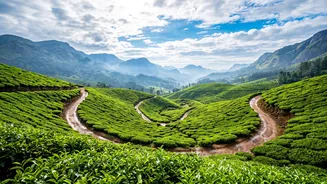
Embracing a slower weekend trip is a conscious choice. It starts with resisting the urge to over-plan. Instead of five must-see spots, pick one or two. Consider staying in a single location, like a farmstay in Coorg or a heritage bungalow in Pondicherry, and exploring its immediate surroundings on foot. Engage with the local community by dining at family-run eateries or shopping at local markets. Perhaps most importantly, build in time for doing nothing at all — time to read, think, or simply watch the world go by. This practice fosters mindfulness, reduces stress, and allows for genuine rest. Many find that this approach is also more sustainable, as it reduces the carbon footprint from constant transit and supports local economies more directly.
The Joy of Missing Out
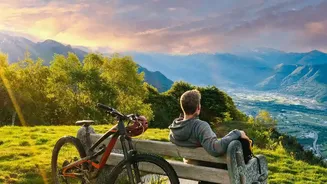
In a culture obsessed with 'fear of missing out' (FOMO), slow travel champions the 'joy of missing out' (JOMO). By choosing not to rush, travellers give themselves permission to have a richer, more rewarding experience. They return home not with a blur of photos, but with distinct, deeply felt memories: the taste of a local dish, a long conversation with a shopkeeper, or the feeling of the sun during a quiet morning walk. This shift from passive sightseeing to active presence transforms a simple weekend break into a powerful tool for well-being. It's a reminder that the best holidays are not the ones where you do the most, but the ones where you feel the most rested and connected.