

More Than a Holiday Destination
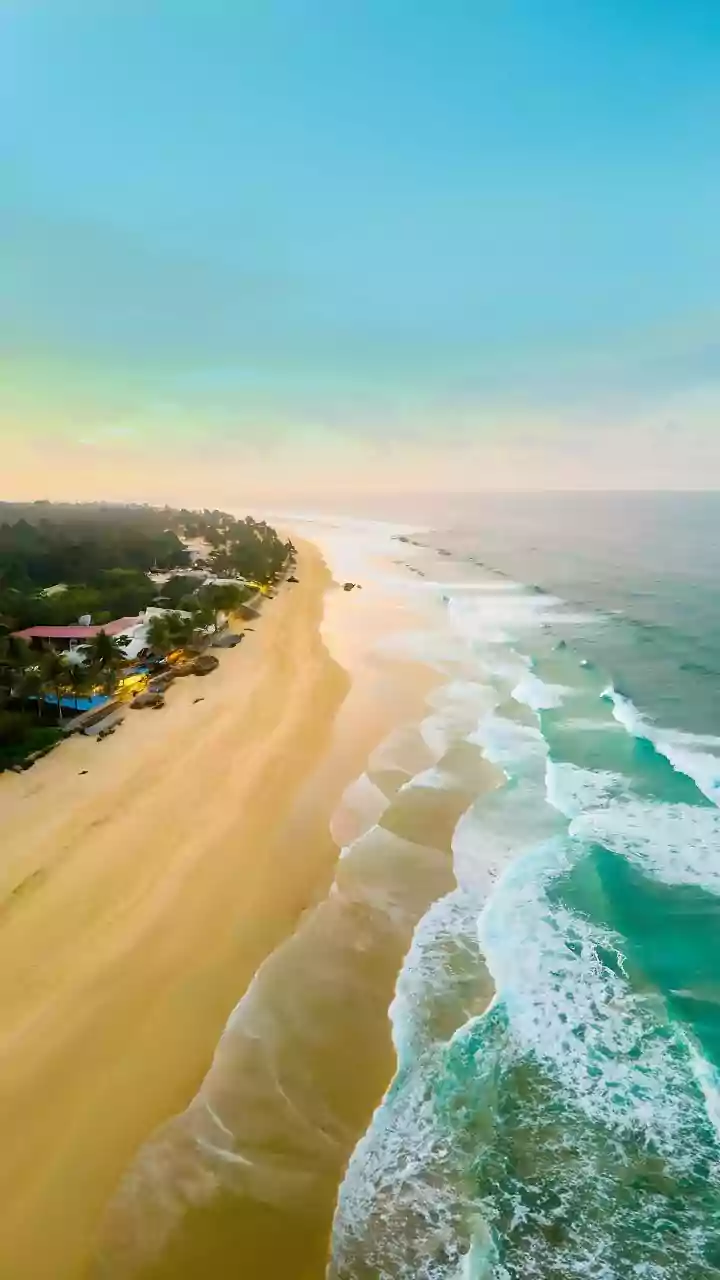
For years, Varkala was a well-kept secret on Kerala’s backpacking trail, a quieter alternative to the bustling beaches of Goa. Known for its unique geological cliff formation—a designated national monument—and the ancient Janardanaswamy Temple, its appeal
was rooted in spirituality and serene beauty. But the global shift to remote work has repositioned this coastal town. It is no longer just a place to escape for a week, but a place to live and work for months at a time. The town’s laid-back atmosphere, combined with a growing infrastructure for remote professionals, has created a fertile ground for a new kind of community. This transformation is powered by the rise of co-living spaces, which offer a compelling solution for those seeking both productivity and connection.
The Rise of Co-living by the Coast
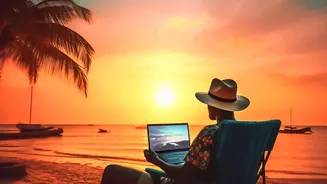
So, what exactly does co-living in Varkala look like? Forget the sterile image of a typical office. These spaces are designed to integrate work with a relaxed, communal lifestyle. Most budget-friendly monthly packages provide a private or shared room, access to a dedicated workspace with reliable Wi-Fi, a shared kitchen, and common areas for socialising. Hostels and homestays have adapted to this trend, offering long-stay discounts and creating work-friendly zones to cater to the new wave of residents. Many facilities are just a short walk from the cliff's edge, meaning a five-minute break can involve watching the sunset over the ocean. The goal is to remove the logistical hassles of setting up a temporary home, allowing residents to plug in and become part of the local fabric from day one.
Affordability Meets Aspiration
One of the biggest draws is the cost. For a freelancer or creator accustomed to the high rents of cities like Mumbai or Bengaluru, Varkala presents a financially savvy alternative. Monthly expenses for a comfortable lifestyle, including accommodation, food, and activities, can range from ₹35,000 to ₹90,000 ($400 - $1,100 USD), a fraction of the cost in a major metropolitan area. A fully furnished one-bedroom homestay can be found for around ₹25,000 per month. This affordability doesn't mean compromising on quality of life. Instead, it unlocks the freedom to invest in experiences, whether it's taking a surfing course, practicing yoga daily, or exploring Kerala's lush backwaters on weekends. By lowering the financial barrier to entry, Varkala makes the dream of a work-life balance an achievable reality.
A Community of Creatives and Coders
The solitary nature of remote work is a common challenge, but Varkala's co-living scene offers a built-in solution. The community here is smaller and often more close-knit than in larger digital nomad hubs. It's a melting pot of writers, graphic designers, programmers, and online entrepreneurs from India and around the world. This environment fosters organic networking and collaboration, turning coffee breaks into brainstorming sessions and evening gatherings into skill-sharing opportunities. The shared experience of navigating work deadlines while embracing a slower pace of life creates strong bonds. This social aspect is a powerful antidote to the isolation that can accompany freelance careers, providing both professional support and personal connection.
Life Beyond the Laptop
Ultimately, the appeal of Varkala lies in the holistic lifestyle it offers. The workday is punctuated by swims at Papanasam Beach, healthy meals at cliff-top cafes with stunning sea views, and Ayurvedic treatments. Evenings often involve live music, open-mic nights, or simply watching the fishing boats from a perch on the cliff. While internet speeds can be variable, with average speeds around 10-11 Mbps, most cafes and co-living spaces offer sufficient connectivity for daily tasks and video calls, and readily available 4G mobile data serves as a reliable backup. This blend of productivity and well-being is what defines the Varkala workation experience, proving that a successful career doesn't have to come at the expense of a fulfilling life.