



More Than Just Packaged Meals
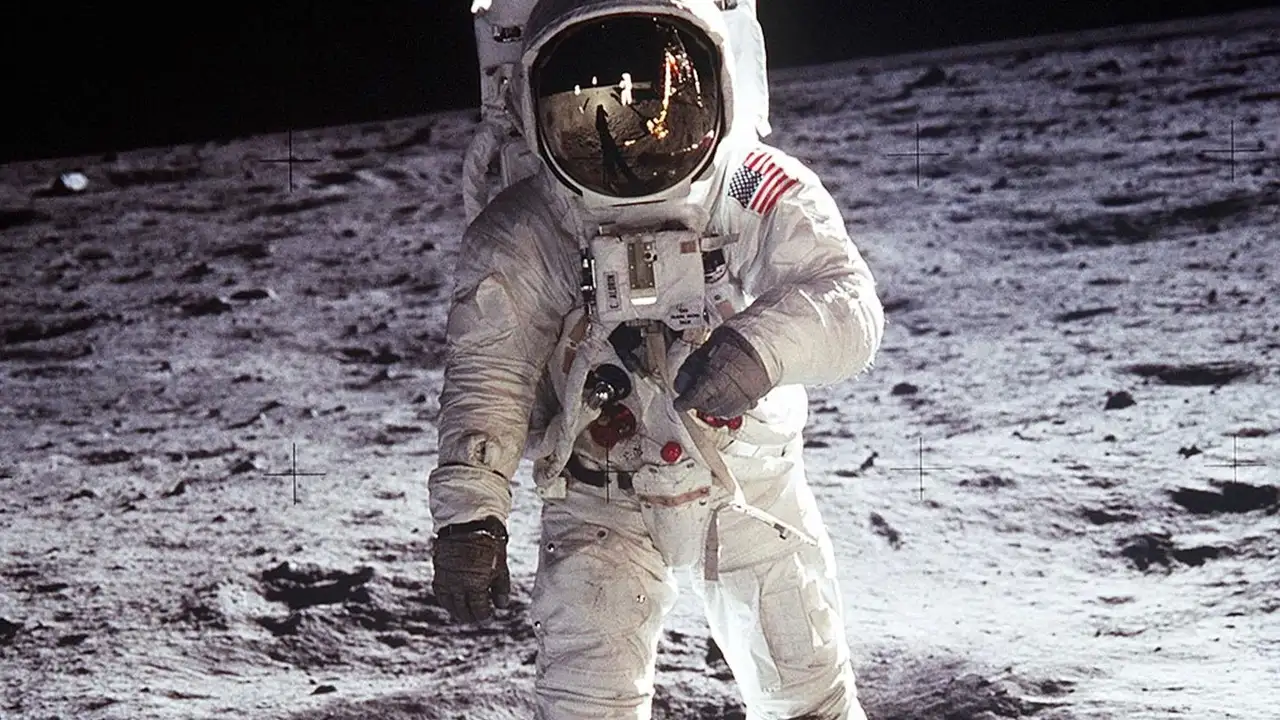
Space food has journeyed far from the simple tubes of puréed food and freeze-dried powders of the early Apollo era. For short stints in low-Earth orbit, a menu of pre-packaged, thermostabilised, and rehydratable meals works well. But as missions like
those in the Artemis program aim for longer stays on the Moon and eventual trips to Mars, the challenge of feeding astronauts becomes vastly more complex. These deep space missions will not have the luxury of regular resupply missions from Earth, meaning every calorie and nutrient must be planned for years in advance. The research is no longer just about creating shelf-stable food; it is about designing a complete nutritional system that can sustain human health in one of the most hostile environments imaginable.
The Body in a Hostile Environment
Space travel takes a significant toll on the human body. Two of the biggest culprits are microgravity and cosmic radiation. In the absence of Earth's gravity, astronauts' bodies undergo a series of physiological changes. Fluids shift upwards, muscles begin to atrophy from disuse, and bones lose density at an alarming rate, a condition similar to osteoporosis. This bone demineralisation can lead to an increased risk of fractures and kidney stones. Furthermore, outside the protection of Earth's atmosphere, astronauts are exposed to significantly higher levels of radiation, which can damage DNA, suppress the immune system, and increase the lifetime risk of cancer. These physical stressors mean that an astronaut's nutritional needs in space are fundamentally different from their needs on Earth.
Nutrition as a Countermeasure
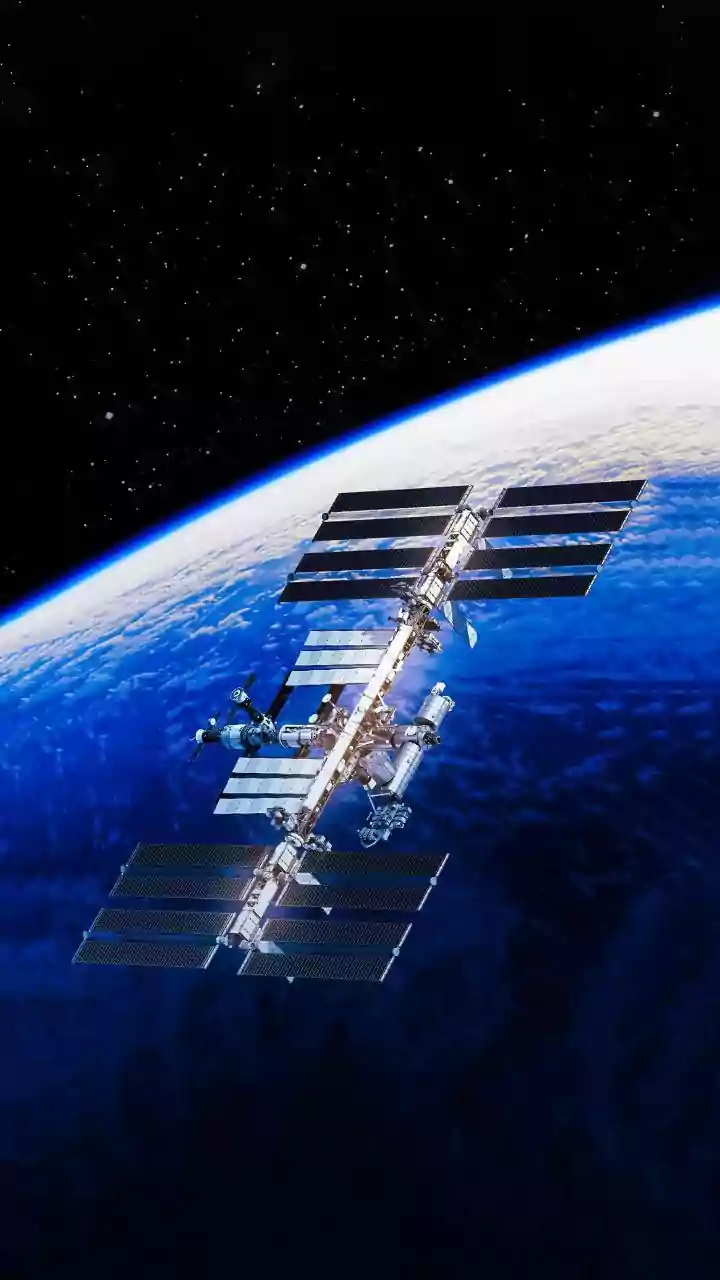
This is where space nutrition research becomes a critical countermeasure. Scientists are investigating how specific diets and nutritional supplements can help mitigate the negative health effects of spaceflight. For example, ensuring adequate intake of calcium and vitamin D is crucial to combat bone density loss, though studies show this alone isn't enough. Researchers are also exploring the power of functional foods—those enriched with beneficial compounds like omega-3 fatty acids and antioxidants—to protect against radiation damage and inflammation. Studies aboard the International Space Station (ISS) have shown that astronauts often experience a negative energy balance, consuming fewer calories than they need, which can lead to weight loss and other issues. Therefore, ensuring the food is not only nutritious but also palatable and varied is essential to prevent 'menu fatigue' and encourage proper consumption.
The Lunar Pantry of the Future
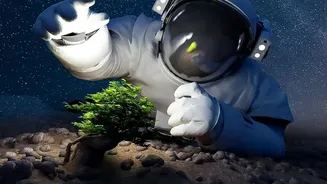
For long-term bases on the Moon, relying solely on pre-packaged food from Earth is not sustainable. The future of space dining lies in bioregenerative life support systems—essentially, creating a closed-loop ecosystem where astronauts can grow their own food. Experiments on the ISS, such as the 'Veggie' growth chamber, have already successfully grown crops like lettuce, cabbage, and tomatoes. This not only provides a source of fresh nutrients but also offers a significant psychological boost to crews living in isolation. Looking further ahead, scientists are developing truly futuristic solutions. These include 3D-printing food to provide variety and customised nutrition, cultivating protein from microbes using air and electricity, and even using recycled human waste to create nutrient-rich solutions for growing plants in lunar soil, or regolith.