

A Sweet New Language
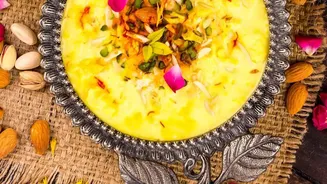
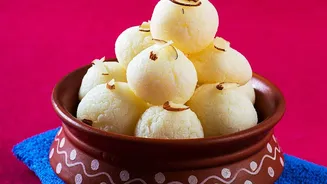
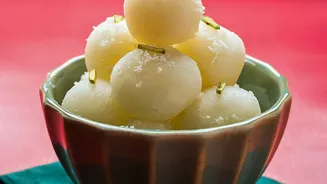
For generations, Indian sweets, or mithai, have been an integral part of celebration, spirituality, and daily life. The history of these confections dates back thousands of years, with ancient texts mentioning preparations of honey, grains, and ghee.
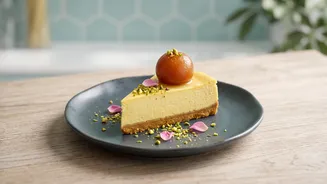
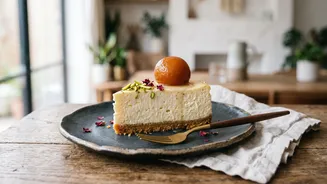
Over centuries, techniques evolved, especially with the introduction of refined sugar and the influence of Mughal kitchens, which added luxurious ingredients like saffron, rose water, and dry fruits. Today, that evolution is accelerating. A new generation of chefs and confectioners is blending these time-honoured recipes with global pastry techniques, giving birth to what is now known as fusion mithai. This isn't just about adding chocolate to barfi; it's a thoughtful re-imagination that pairs the soul of Indian flavours with the sophistication of Western desserts. Think rasmalai tres leches cake, motichoor cheesecake, or gulab jamun cupcakes. These creations are more than just a novelty; they represent a cultural shift, catering to a modern Indian palate that is both global in its tastes and deeply connected to its roots.
The Architects of Innovation
This trend is being driven by inventive chefs and gourmet sweet shops across the country. Brands like The Bombay Sweet Shop and Nihira are making headlines by transforming mithai into contemporary, playful creations. For instance, you might find a dark chocolate kaju katli, a coffee-infused katli bar, or even mojito-flavoured laddoos. Chef Ajay Chopra’s Kshir & Canelé, for example, aims to create gourmet mithai with a French-inspired twist, marrying Indian sweets with international flavours. These culinary artists are breaking down traditional desserts to their core components and rebuilding them with new textures and forms. The goal is not to erase tradition but to build upon it, offering familiar flavours in a surprising new context. This approach has turned the humble mithai shop into a boutique experience, focusing on artisanal quality, creative flavour pairings, and elegant, sustainable packaging.
Taste the Unexpected
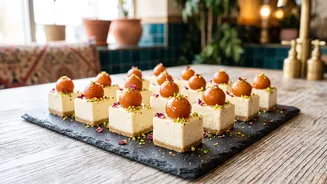
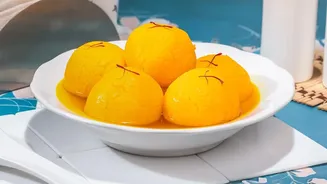
The flavour combinations emerging from this trend are both daring and delightful. Imagine a classic gulab jamun, but instead of being served in syrup, it’s stuffed inside a light, cardamom-spiced cupcake. Or picture the flaky, layered Greek pastry, baklava, infused with the flavours of Indian thandai. Other popular fusions include Gulab Jamun Rabdi Cake, where the soft, syrupy balls are layered in a rich, creamy cake, and Shahi Tukda reimagined with croissants instead of bread. Even global classics are getting an Indian makeover, such as the Italian panna cotta infused with cardamom or saffron, or tiramisu layered with fresh rasgullas. These desserts play with contrasts—marrying the grainy texture of milk cake with the smoothness of chocolate, or the dense richness of badam halwa with the flakiness of a French croissant. The result is a multi-layered experience that honours the original sweet while offering something entirely new.
Why Now? The Cultural Shift
Several factors are fuelling the rise of fusion sweets. A key driver is the changing palate of the younger, well-travelled Indian consumer who craves novelty and is open to global influences. There is also a growing demand for aesthetic, Instagram-worthy food, and these beautifully crafted desserts fit the bill perfectly. Furthermore, health consciousness has led to innovations like sugar-free options using jaggery or monkfruit sweetener, and even vegan versions of traditional mithai made with plant-based milks. This movement is also about identity. For many, it's a way to celebrate their heritage with a modern sensibility. By giving mithai a contemporary twist, chefs are ensuring that these ancient traditions remain relevant and exciting for a new generation, transforming festive gifting from simple boxes of sweets into luxurious, curated experiences.
Preserving Tradition Through Evolution
While the fusion trend is celebrated for its creativity, it also sparks a conversation about authenticity. Purists may argue that tampering with classic recipes dilutes their heritage. However, many chefs see it differently. They argue that Indian cuisine has always evolved, absorbing influences from various cultures throughout history, from the Mughals to the British. Today's fusion desserts are simply the next chapter in that ongoing story. The most successful creations don't just randomly combine ingredients; they respect the flavour profiles and textures that make the original sweets beloved. They strike a careful balance between the familiar and the innovative, ensuring that the essence of the traditional mithai is not lost. In this way, innovation becomes a form of preservation, keeping the legacy of Indian sweets alive and dynamic in a rapidly changing world.