
In the public imagination, the lives of political dynasties are often defined by power and policy. But a recent, simple recollection by Sonia Gandhi about a festive food reminds us that history is also written in family kitchens.
A Tradition That Endures
In a recent video conversation
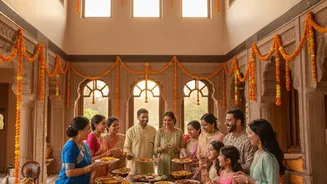
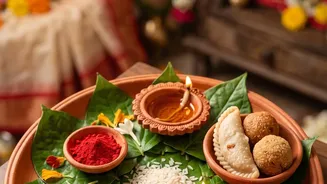
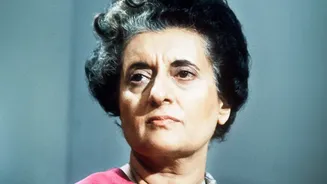
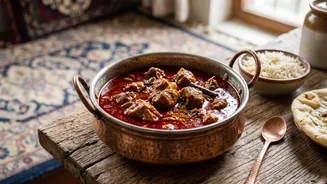
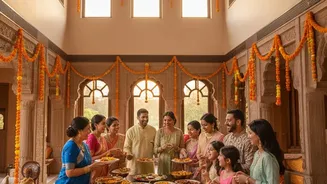
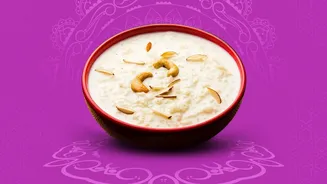
with her daughter Priyanka and granddaughter Miraya, Sonia Gandhi reminisced about Diwali celebrations at the former residence of her mother-in-law, Indira Gandhi. Amid memories of earthen diyas lighting up the gardens of 1, Safdarjung Road, she shared a culinary detail that has stood the test of time. 'On festivals, we always used to have Kashmiri food and that sweet rice… which we still make, by the way,' she noted. This small but poignant remark opens a window into the private, cultural life of one of India's most prominent families, revealing how a simple dish can serve as a powerful link to heritage across generations.
The Legacy on a Plate
The family's fondness for Kashmiri cuisine is a direct nod to their roots. The Nehrus are of Kashmiri Pandit origin, and this heritage, though geographically distant for generations, has been preserved through cultural and culinary traditions. For a family that settled in Allahabad and then Delhi, becoming central to the national political narrative, practices like preparing specific foods for festivals became a quiet, domestic expression of their ancestral identity. Indira Gandhi, in particular, maintained a connection to the customs of her ancestors, and this Kashmiri sweet rice is a perfect example of a tradition she passed down.
What Exactly Is This Sweet Rice?
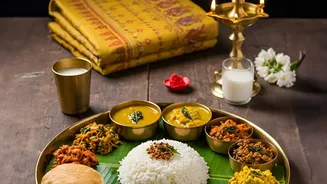
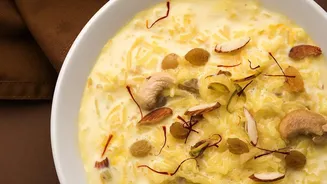
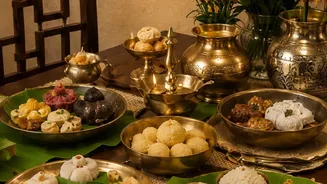
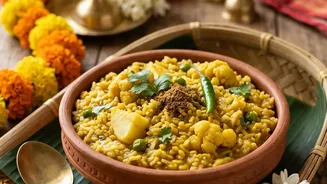
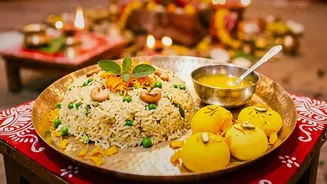
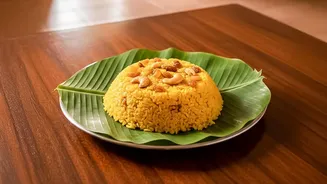
While Sonia Gandhi didn't name the specific dish, Kashmiri cuisine features a few distinct yellow or sweet rice preparations. One strong possibility is 'Tehar' or 'Tahri', a yellow rice dish central to Kashmiri Pandit celebrations. Traditionally, Tehar is prepared on auspicious occasions like birthdays and festivals, often as a 'prasad' or offering. Made with rice, turmeric (which gives it its signature yellow hue), and cooked in ghee or mustard oil, it’s a simple but significant dish. Small, hand-pressed balls of this rice, known as 'Tahari Meitt', are often distributed as part of the celebration. Another contender could be Modur Pulav, a more elaborate sweet rice made with saffron, sugar, and a generous mix of dry fruits, though Tehar's role in daily and festive rituals makes it a very likely candidate.
More Than Just a Meal
Food in any family is a carrier of memory, but in a public family, it offers a rare, humanising glimpse behind the official facade. This Kashmiri rice is more than sustenance; it's a taste of history. It connects the present generation not just to Indira Gandhi's time, but further back, to a Kashmiri Pandit identity that has been part of the family's story for centuries. It speaks of a deliberate effort to keep traditions alive, to ensure that children and grandchildren know the flavours of their lineage. The act of continuing to make this dish is an act of remembrance, a way of honouring the past in the most tangible and comforting way possible.
The Universal Power of Food
Ultimately, the story of the Gandhis' sweet rice is a universally relatable one. Every family has 'that dish'—the one that must be made for a specific holiday, the recipe passed down on a creased piece of paper, the flavour that tastes like childhood. It shows how, regardless of status or station, our identities are often shaped and preserved by the food we share. It’s a reminder that even in a life lived on the national stage, some of the most meaningful traditions are the ones that happen around the dinner table, connecting one generation to the next with something as simple and profound as a bowl of rice.