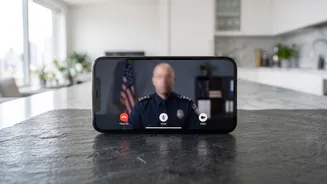







A frightening new form of cyber fraud is gaining traction across India. Known as the 'digital arrest' scam, it involves criminals impersonating law enforcement to extort money through fear, and urban residents are squarely in their crosshairs.
What is a 'Digital Arrest'?
A 'digital
arrest' is not a real legal procedure; it is an elaborate extortion scam. Fraudsters contact victims, often via phone or video call, posing as officials from the police, CBI, or other government agencies. They accuse the target of being involved in a serious crime, such as money laundering or drug trafficking, and claim the person is under 'digital arrest'. To make the threat feel real, they may use fake arrest warrants, forged ID cards, and even set up mock police station backgrounds for video calls. The entire concept is a fiction designed to create panic and manipulate victims into transferring money to 'clear their name' or avoid immediate, fabricated legal consequences. No legitimate Indian authority can arrest someone over a video call.
The Anatomy of the Scam
The scam typically unfolds in stages, built to overwhelm and confuse the victim. It starts with an unsolicited call, perhaps from someone claiming to be from a courier company about a suspicious package linked to the victim's Aadhaar number. The call is then 'transferred' to a senior 'officer' who escalates the situation, alleging a serious crime. The scammers create a sense of urgency and authority, demanding the victim stay on a continuous video call, often for hours, to ensure they don't contact anyone for help. They are instructed to isolate themselves. Using a combination of threats and feigned assistance, the fraudsters convince the victim that their bank accounts are compromised and the funds must be transferred to a 'safe' government or RBI verification account for investigation. Once the money is sent, often through multiple transactions, the criminals disappear.
Why Urban Residents Are Prime Targets
Scammers specifically target urban populations for several strategic reasons. City dwellers generally have a higher digital footprint, making their personal information more accessible to criminals online. They are also perceived as having more financial resources, making them lucrative targets. Furthermore, the fast-paced and often isolated nature of urban life can make individuals more vulnerable. They may have less immediate access to family or community support networks to verify a suspicious call. There is also a tendency among educated, urban individuals to have a baseline trust in official processes, which scammers exploit. This psychological susceptibility, combined with a potential lack of familiarity with actual police procedures, creates a perfect storm for deception.
The Psychology of Coercion
The success of digital arrest scams hinges on sophisticated psychological manipulation. The core tactic is fear; scammers use threats of immediate arrest and serious criminal charges to trigger panic and cloud judgment. This is amplified by creating a sense of authority, using uniforms, official-sounding jargon, and forged documents. Another key element is isolation. By forcing victims to remain on a long, continuous video call, scammers prevent them from thinking clearly or seeking outside advice. This prolonged state of stress can lead to a state of mental exhaustion or dissociation, where the victim becomes more compliant. The scam is designed to break down a person's critical thinking by keeping them in a heightened state of fear and urgency, making them more likely to act irrationally against their own interests.
How to Protect Yourself and What to Do
Awareness is the best defense. First, remember that no police officer or government official will ever demand money or conduct an investigation over a video call. If you receive such a call, the safest action is to disconnect immediately. Do not engage or share any personal information. Always verify the identity of a caller claiming to be an official by independently finding the contact number for the relevant department. Key red flags include demands for immediate payment, threats of arrest if you hang up, and instructions to not speak with anyone. If you suspect you are being targeted, or have already fallen victim, report the incident immediately to the National Cyber Crime Reporting Portal at cybercrime.gov.in or by calling the helpline number 1930. You should also notify your bank to freeze transactions.