



Northern Plains: Grains, Flours, and Tubers
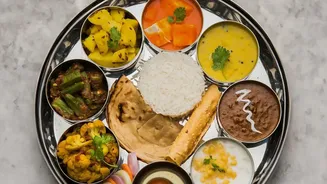
In North India, the Navratri fast, or 'vrat', involves abstaining from regular grains like wheat and rice, as well as onions and garlic. The culinary landscape is dominated by alternative flours and hearty vegetables. Buckwheat flour (kuttu ka atta) and water
chestnut flour (singhare ka atta) become kitchen staples. These are used to make pooris, cheelas, and parathas, often enjoyed with a simple yet flavourful potato curry (vrat wale aloo) seasoned with rock salt (sendha namak). Barnyard millet, known as 'samak ke chawal', serves as a substitute for rice, used in dishes like khichdi and pulao. The emphasis is on energy-giving foods like potatoes, arbi (taro root), and paneer, which provide sustenance through the day.
Western India: Sabudana and Peanuts Reign Supreme
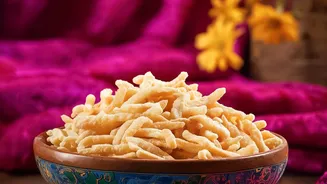
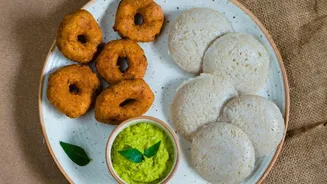
Travel west to Maharashtra and Gujarat, and the star of the fasting menu is undoubtedly sabudana (tapioca pearls). Sabudana khichdi, a delightful mix of soaked tapioca pearls, roasted peanuts, potatoes, and mild spices, is a beloved staple. Another popular snack is the sabudana vada, a crispy fried patty that is both filling and delicious. The use of peanuts is significant in this region, adding crunch and protein to many dishes. In Gujarat, you'll also find 'farali' (fasting) versions of everyday snacks, like farali pattice and dishes made from amaranth flour (rajgira). The cuisine here often strikes a balance between savoury and subtly sweet flavours, providing a burst of energy for the vibrant Garba and Dandiya nights.
Southern States: Coconuts, Legumes, and Rice
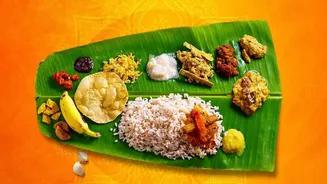
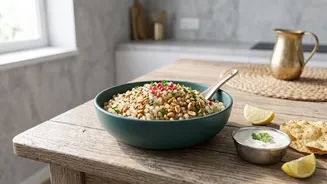
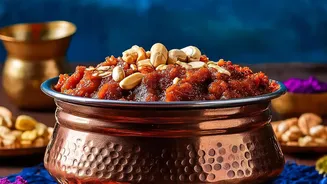
Down South, Navratri celebrations, especially in Tamil Nadu, Karnataka, and Andhra Pradesh, are associated with the Golu doll display. The food offerings, or 'neivedyam', are distinct from the fasting traditions of the North. Here, the highlight is 'sundal', a simple and nutritious dish made from various boiled legumes like chickpeas, moong dal, or black-eyed peas, tempered with mustard seeds, curry leaves, and grated coconut. A different variety of sundal is often prepared on each of the nine days. Sweets like payasam (kheer), made from rice, vermicelli, or lentils, are also a crucial part of the offerings. The use of coconut, a staple in South Indian agriculture, is prominent in both sweet and savoury preparations.
Eastern India: A Celebration of Feasting
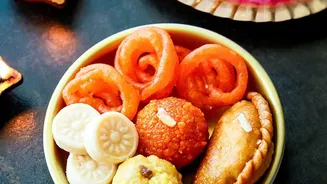
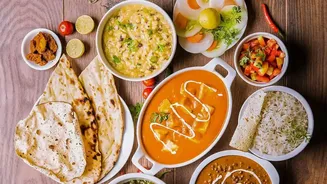
In contrast to the fasting norms in other parts of India, Navratri in West Bengal, which coincides with Durga Puja, is a period of grand celebration and feasting. For many Bengalis, Durga Puja marks the homecoming of the goddess, and this joy is expressed through indulgent meals rather than abstinence. While a sattvic 'bhog' of khichuri, labra (a mixed vegetable dish), and payesh is offered to the deity in pandals, home kitchens and restaurants serve an array of non-vegetarian delicacies. Dishes like kosha mangsho (slow-cooked mutton), luchi (puffed bread), and various fish preparations are central to the festive spread, particularly from the sixth day (Shashthi) onwards. This culinary tradition highlights a different interpretation of devotion, one rooted in communal joy and festive indulgence.