





More Than Just a Pattern
Before it was a fashion statement, Bandhani was, and still is, a meticulous craft. The term itself comes from the Sanskrit word 'bandh', meaning 'to tie'. This ancient art, with roots tracing back to the Indus Valley Civilization, involves tying thousands
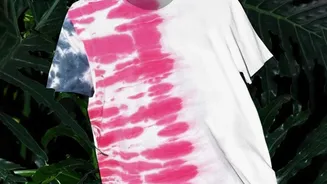
of tiny knots on a fabric before dyeing it. Where the thread is tied, the dye can't penetrate, creating intricate patterns of dots, squares, and waves. Traditionally flourishing in the regions of Gujarat and Rajasthan, this craft is the cultural heritage of communities like the Khatris, who have passed the skill down through generations. Specific colours and patterns often hold deep symbolic meaning, signifying everything from marriage and fertility (red) to joy and new beginnings (yellow). This rich history is what makes every piece of Bandhani more than just a print; it's a story of artistry and tradition.
The Contemporary Comeback
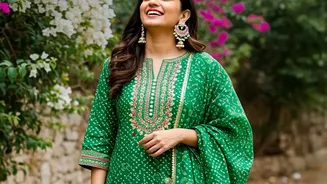
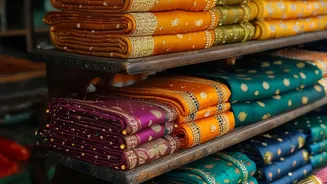
While Bandhani has always been a staple in wedding trousseaus and festive wardrobes, its 2026 revival is all about versatility. Designers are increasingly looking towards India's vast textile heritage, reimagining traditional crafts for a modern audience that values authenticity and slow fashion. As a result, Bandhani is breaking free from its ceremonial confines. We're seeing it move from heavy lehengas and sarees to lighter, more breathable silhouettes like breezy kurta sets, chic co-ords, dresses, and even structured jackets. This shift isn’t about diluting the craft but celebrating it in new contexts, proving that its appeal is timeless and can seamlessly fit into the rhythm of contemporary life.
Start Small with Accessories
The easiest way to introduce any bold pattern into your daily wardrobe is through accessories. This is especially true for the vibrant energy of Bandhani. A silk Bandhani scarf can elevate a simple white shirt and jeans, adding a pop of colour and texture. Consider a Bandhani-print headband or scrunchie for a playful, bohemian touch. A Bandhani potli or clutch bag can also transition effortlessly from a festive event to a chic dinner outing. These smaller pieces serve as a nod to the tradition without overwhelming your look, allowing you to experiment with the pattern and find what works for your personal style. It’s a low-commitment way to participate in the trend while celebrating the craft.
The Art of the High-Low Mix
The key to wearing occasion wear fabrics daily is mastering the 'high-low' mix—pairing something traditionally dressy with a casual staple. This is where Bandhani truly shines. A beautifully crafted Bandhani silk blouse, once reserved for a saree, can be paired with tailored trousers or dark-wash denim for a sharp, fusion look. A floaty Bandhani skirt finds a new, relaxed identity when worn with a simple, solid-coloured t-shirt or a fine-knit sweater. Similarly, a Bandhani dupatta can be draped over a monochrome salwar kameez or even a simple dress to add a layer of interest. This approach grounds the festive nature of the fabric, making it feel intentional and modern rather than out of place.
Embrace Modern Silhouettes
Contemporary designers are offering more ways than ever to wear Bandhani. Look beyond the traditional ethnic silhouettes and explore modern cuts. Bandhani co-ord sets, featuring a matching top and bottom, are incredibly chic and require minimal styling effort. A Bandhani print shirt dress or a jumpsuit offers a one-and-done outfit that is both comfortable and stylish. Even outerwear is getting a Bandhani update, with designers creating light jackets and capes that can be layered over both Indian and Western wear. These modern interpretations make the craft accessible for daily life, proving that you don’t need a wedding invitation to wear a piece of art.
Wear It With Respect
As Bandhani and other traditional textiles gain global popularity, it's important to engage with them thoughtfully. The revival of this craft is a celebration of the artisans and their generational knowledge. When possible, seek out authentic, handcrafted pieces from brands that support artisan communities. Understand that the tiny, imperfect dots are a sign of the human hand, not a flaw. Wearing Bandhani isn't just about embracing a trend; it's about carrying forward a piece of India's rich cultural legacy. By appreciating the story behind the cloth, you wear it with a deeper sense of connection and respect for its origins.