





Pack a ‘First-Aid’ Food Kit
Your first line of defence against high food prices is what you bring from home. Packing non-perishable, ready-to-eat snacks can save you from expensive impulse buys. Think classic Indian travel foods like theplas, khakras, or mathri, which stay fresh
for a long time. Also consider packing dry snacks like roasted peanuts, chaklis, homemade granola bars, or dry fruit laddoos. These are perfect for curbing hunger during transit or for a quick bite between sightseeing stops. Having these on hand means you won't have to pay premium prices for snacks at tourist spots or stations.
Make Lunch Your Main Meal
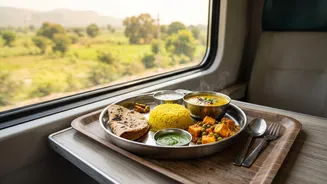
Many restaurants and local eateries offer thalis or combo meals during lunch that are significantly cheaper than à la carte dinner menus. Adopt the local habit of having a larger meal in the afternoon. This strategy allows you to experience a city's popular dishes at a lower price point. For dinner, you can opt for a lighter meal, perhaps something from a street vendor or the snacks you've packed, saving a substantial amount over two days.
Eat Where the Locals Eat
The most authentic and affordable food is rarely found in the main tourist squares. Venture a few streets away from popular attractions to find dhabas, local 'home food' joints, or canteens where the locals eat. These places generally serve fresh, flavourful food at a fraction of the price of a tourist-centric restaurant. Cities like Delhi, Amritsar, and Chennai are famous for their incredible and budget-friendly street food scenes. When trying street food, look for stalls with high turnover and visible crowds, as this is often a good indicator of freshness and hygiene.
Leverage Technology for Deals
Before you even leave, use food apps to your advantage. Platforms like Zomato and Swiggy are not just for delivery; their 'Dineout' features can offer significant discounts at restaurants. Apps like Dineout and EazyDiner specialize in table reservations and often provide flat discounts or special deals, especially in major metro areas. It's smart to have a few of these apps installed to compare offers. Check for 'buy one, get one' deals, happy hour specials, or cashback rewards that can cut your dining bills significantly.
Choose Accommodations Wisely
Your choice of stay can heavily influence your food budget. Opting for a hotel that includes a complimentary breakfast is a well-known but effective trick. A hearty breakfast can keep you full for a good part of the day, reducing the need for an expensive lunch. Alternatively, booking a homestay or a rental with a small kitchenette allows you to prepare simple meals. Even just having a kettle can be useful for making instant noodles, upma, or coffee.
Embrace the Picnic Culture
One of the most enjoyable and budget-friendly ways to eat is to have a picnic. Visit a local market to buy fresh fruits, bread, and local cheese or snacks. This not only saves money but also turns your meal into an experience. Find a local park or a scenic spot to enjoy your food. This approach allows you to sample local produce while taking a break from the hustle and bustle. It's a simple, satisfying meal that costs very little.
Carry a Reusable Water Bottle
The cost of buying bottled water multiple times a day can add up unexpectedly. Carry your own reusable bottle and refill it whenever possible. Many public places, restaurants, and hotels will provide safe drinking water for free. This is not only a great way to save money but also a more environmentally friendly choice. Staying hydrated is crucial while exploring, and this simple hack ensures you can do so without constantly spending.