





The Underrated Genius of Ragi Porridge
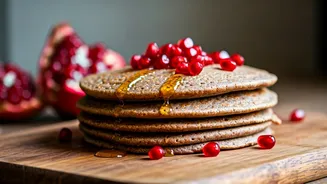
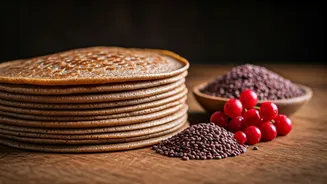
Ragi, or finger millet, has been a cornerstone of Indian diets for centuries, and for good reason. This humble grain is a nutritional powerhouse, celebrated for its high calcium content—far more than most other cereals. It’s also packed with fibre, which
aids digestion and promotes a feeling of fullness, helping to curb mid-morning snack cravings. Traditionally prepared as a simple porridge (or 'kanji'), ragi is gluten-free and has a low glycemic index, making it an excellent choice for sustained energy release rather than a quick sugar spike. Its earthy, nutty flavour provides a comforting and familiar base, but on its own, a simple ragi porridge can sometimes lack one crucial macronutrient: protein.
Enter Paneer: The Protein Powerhouse
Paneer is more than just a star ingredient in rich curries; it’s one of the most accessible and beloved sources of protein in Indian vegetarian cuisine. As a fresh, unaged cheese, it’s packed with high-quality casein protein, which is slow-digesting and incredibly satiating. This means it helps in muscle repair, keeps you feeling full for longer, and provides a steady supply of energy. Furthermore, paneer is a fantastic source of calcium and healthy fats, contributing to bone health and overall vitality. While we often think of it in cubes for lunch or dinner, its true versatility shines when we reconsider its form and texture.
Why This Combination Is Breakfast Perfection
Stirring freshly grated paneer into hot ragi porridge is a culinary masterstroke. The magic happens in the final moments of cooking. As the hot porridge envelops the delicate strands of paneer, they soften and partially melt, creating a wonderfully creamy, rich texture that elevates the entire dish. You get these little pockets of soft, milky goodness that seamlessly blend with the earthy ragi. Nutritionally, this pairing is a match made in heaven. The paneer adds a substantial protein boost to the fibre-rich, complex carbohydrates of the ragi. This balanced macronutrient profile ensures you’re not just full, but properly fuelled. The combination helps stabilise blood sugar levels, preventing the dreaded mid-morning energy crash and keeping you focused and productive until lunchtime. It transforms a simple grain bowl into a complete, well-rounded meal.
How to Make It: A Simple Guide
Making this breakfast is incredibly simple. 1. Prepare the Ragi Porridge: Start by making your ragi porridge as you normally would. A common method is to mix 2-3 tablespoons of ragi flour with a little water to form a smooth, lump-free paste. Meanwhile, bring about 1 to 1.5 cups of water or milk (or a mix of both) to a gentle boil. Slowly pour in the ragi paste while stirring continuously to prevent lumps. Cook on low to medium heat for 5-7 minutes until the porridge thickens and the raw taste of the flour is gone. 2. Grate the Paneer: While the porridge is cooking, take a small block of fresh, soft paneer (about 40-50 grams per serving). Use the fine side of a grater to shred it. 3. Combine and Serve: Once the ragi porridge is cooked and has reached your desired consistency, turn off the heat. Immediately add the grated paneer and stir it in. The residual heat will be enough to soften it perfectly. At this point, you can customise your bowl.
Sweet, Savoury, and Creative Variations
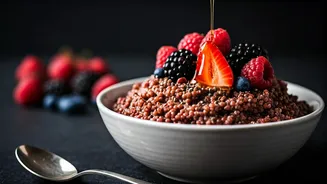
This ragi-paneer base is a blank canvas. Depending on your mood, you can take it in several delicious directions: * The Sweet Bowl: Stir in a teaspoon of jaggery, honey, or a chopped date for natural sweetness. Top with sliced banana, a sprinkle of cinnamon or cardamom powder, and a handful of toasted almonds or walnuts for extra crunch. * The Savoury Bowl: Instead of cooking the porridge in plain water, use a lightly salted buttermilk base. Once the paneer is mixed in, top it with a simple 'tadka' of mustard seeds, curry leaves, and a pinch of asafoetida (hing) sizzled in ghee. A sprinkle of black pepper or finely chopped coriander leaves finishes it perfectly. * The Power-Packed Bowl: For an even bigger nutritional boost, add a tablespoon of soaked chia seeds or ground flaxseed along with the paneer. Top with berries, pumpkin seeds, and a drizzle of nut butter.