


Understanding the El Niño Phenomenon
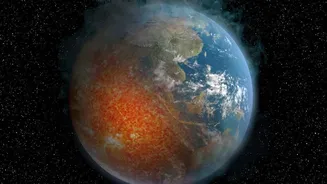
El Niño, which means 'the little boy' in Spanish, is a naturally occurring climate pattern. It's the warm phase of the El Niño-Southern Oscillation (ENSO) cycle. Typically, strong trade winds blow from east to west across the tropical Pacific, pushing
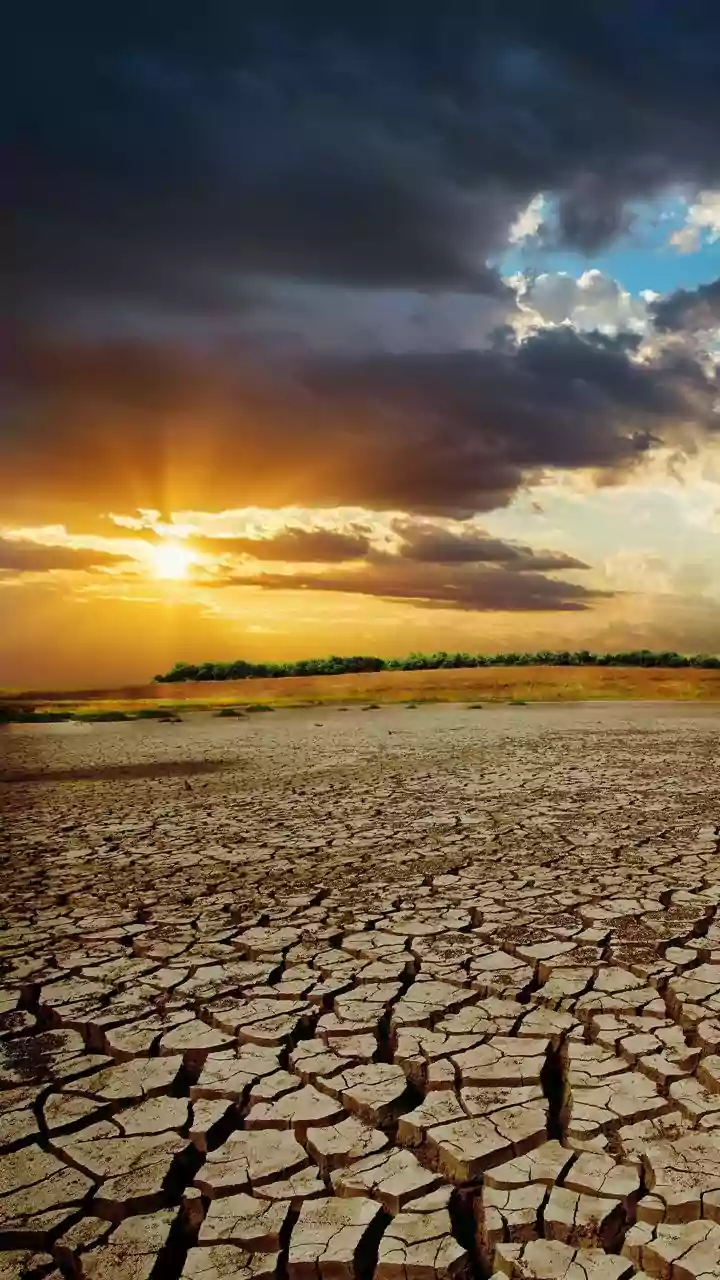
warm surface water towards Asia. During an El Niño, these winds weaken, allowing the warm water to shift eastward, towards the Americas. This seemingly distant change in the ocean has a domino effect on atmospheric circulation, altering weather patterns worldwide. For India, a strong El Niño often correlates with a weaker southwest monsoon, leading to deficient rainfall and hotter, drier conditions, especially in the northern parts of the country.
Why the 2026 Event Is a Major Concern
Not all El Niño events are created equal. They are classified by their strength, from weak to very strong, based on how much the sea surface temperatures rise above average. Forecasts for the 2026-27 event are causing significant concern. The World Meteorological Organization (WMO) and other climate prediction centres indicate a high probability that this El Niño will be 'strong to very strong', potentially rivalling some of the most intense events on record. The India Meteorological Department (IMD) has noted that strong El Niño conditions are prevailing and expected to persist through the beginning of 2027. This elevated intensity is what raises the alarm, as a stronger El Niño typically has more pronounced and severe global impacts, including a greater risk of extreme heatwaves across the subcontinent.
The Direct Link to Public Health
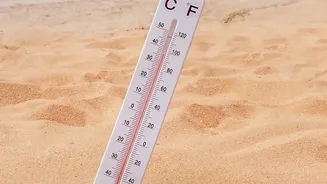
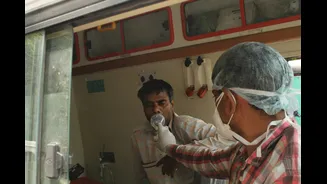
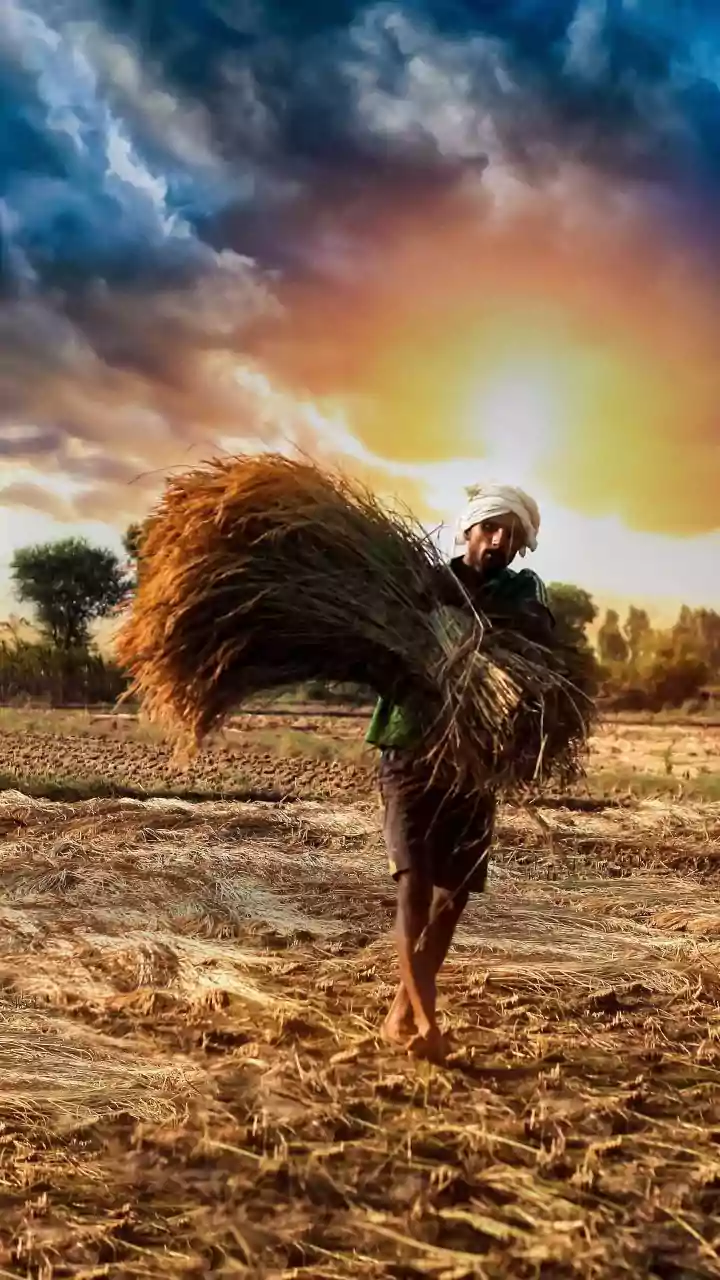
Extreme heat is not just an inconvenience; it is a major public health threat. The World Health Organization (WHO) has highlighted that exposure to extreme heat can lead to a range of illnesses. The most severe is heatstroke, a medical emergency that occurs when the body can no longer control its internal temperature, which can lead to organ failure or death if not treated rapidly. Other direct health impacts include dehydration, heat exhaustion, and the exacerbation of pre-existing chronic conditions like cardiovascular disease, diabetes, and respiratory illnesses. Workers in sectors like agriculture and construction are particularly vulnerable. With heat-related deaths already increasing globally, a super-charged El Niño year puts India's large population of outdoor labourers and vulnerable citizens at heightened risk.
Beyond Heatstroke: Secondary Health Threats
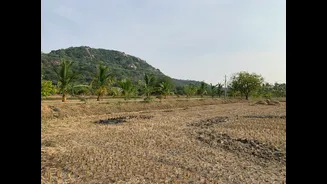
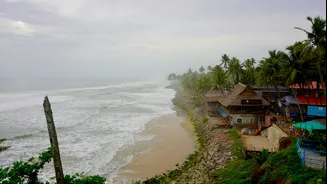
The health implications of a strong El Niño extend beyond direct heat exposure. Altered rainfall patterns can lead to both droughts and floods, each bringing its own set of dangers. Droughts can compromise food security and lead to malnutrition, while reduced water availability can impact hygiene. Conversely, unseasonal or intense rainfall can create ideal breeding grounds for mosquitoes, potentially increasing the spread of vector-borne diseases like dengue and malaria. Contaminated water sources after floods can also lead to outbreaks of water-borne illnesses such as cholera. These cascading effects can strain healthcare systems that may already be dealing with a surge in heat-related emergencies.
Preparing for the Heat: A National Priority
The predictability of El Niño provides a crucial window for preparation. Indian authorities have been developing strategies to mitigate the impact of extreme heat. The National Disaster Management Authority (NDMA) has scaled up a framework for Heat Action Plans (HAPs) across numerous states and districts. These plans involve early warning systems using IMD forecasts, public awareness campaigns, and inter-departmental coordination. Key measures include readying health facilities, establishing heatstroke management units, and providing advisories for the public. The Ministry of Health's National Programme on Climate Change and Human Health is also working to institutionalise heat-health adaptation and build a more climate-ready health workforce.
Protecting Yourself and Your Family
While government action is essential, individual and community preparedness is the first line of defense. Health authorities advise simple but effective measures. Staying hydrated by drinking plenty of water, even when not feeling thirsty, is paramount. It is best to avoid strenuous activity during the hottest parts of the day, typically between noon and 3 p.m. Wearing light-coloured, loose-fitting cotton clothing and using umbrellas or hats can help. At home, keeping windows and curtains closed during the day can block direct sunlight. It is especially important to check on vulnerable people, such as the elderly, young children, and those with chronic illnesses, who are more susceptible to the effects of heat.