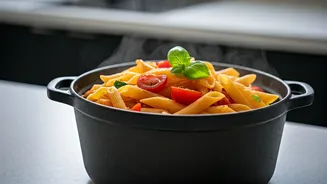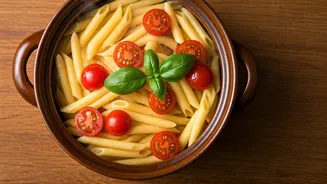



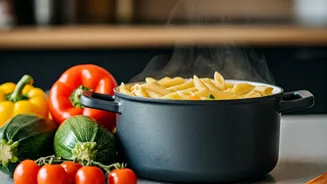



What Exactly Is One-Pot Pasta?
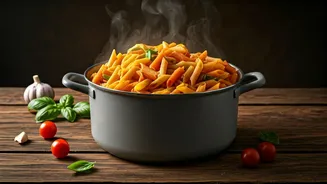
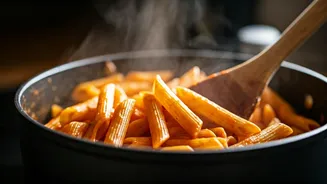
The concept is as simple as it sounds: cooking an entire pasta dish, including the uncooked pasta, sauce ingredients, and liquid, all together in a single pot or pan. Unlike traditional methods that require boiling pasta separately from the sauce, this
technique streamlines the process from start to finish. Everything from aromatics like garlic and onion to vegetables, proteins, pasta, and liquids such as broth or water are combined. The ingredients simmer together, allowing the pasta to cook by absorbing the surrounding liquid, which transforms into a flavourful sauce. This method, popularized by figures like Martha Stewart, has become a go-to for busy home cooks looking for efficiency without sacrificing taste.
The Genius of the Method
The primary benefit of one-pot pasta is the significant reduction in cleanup. With only one pot, a cutting board, and a knife, the post-dinner wash-up becomes remarkably quick. But the advantages go beyond convenience. As the pasta cooks, it releases starches directly into the surrounding liquid. This starchy water is culinary gold, naturally thickening the broth and tomatoes into a silky, emulsified sauce that clings perfectly to every noodle, something often sought by adding pasta water to a separately made sauce. Furthermore, the pasta absorbs the seasoned broth, herbs, and other flavourings as it cooks, infusing the noodles with a depth of taste that boiling in plain water can't match.
Keys to a Perfect Pot
While simple, the one-pot method has a few key principles for success. First, use a wide, heavy-bottomed pot or Dutch oven. This provides enough surface area for the pasta to cook evenly without clumping and helps manage heat to prevent sticking. Second, getting the liquid ratio right is crucial. A general guideline is that for every 8 ounces of pasta, you need about 4 cups of liquid, but this can vary. It’s often better to start with a little less liquid and add more as needed, ensuring the pasta is just submerged. Finally, don't walk away from the stove. Frequent stirring, especially in the first few minutes and towards the end of cooking, is essential to prevent sticking and ensure everything cooks evenly.
Common Pitfalls and How to Avoid Them
The most common complaints about one-pot pasta are a mushy texture or a watery sauce. To avoid mushy pasta, use sturdy, shorter pasta shapes like penne, fusilli, or rotini, which hold up well. Long pastas like spaghetti can work, but may need to be broken in half. Also, be mindful of cooking time and start checking for doneness a few minutes before the package recommends. If your sauce is too watery, let the dish sit off the heat for a few minutes; the pasta will continue to absorb liquid. If it’s too thick, add a splash of hot water or broth to loosen it. Another tip is to consider the cook time of your additions; add quick-cooking vegetables like spinach toward the end, while heartier ingredients like sausage should be browned at the start.
Flavour Combinations to Try
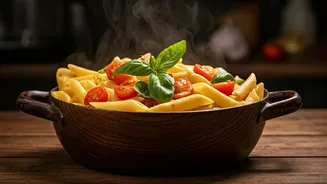
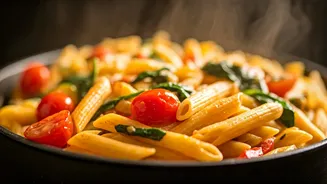
The beauty of one-pot pasta lies in its versatility. You can adapt it to whatever you have in your pantry. A classic combination involves cherry tomatoes, garlic, onion, and fresh basil, creating a light, fresh sauce. For a heartier meal, brown some Italian sausage or ground beef before adding crushed tomatoes, stock, and Italian herbs. Creamy variations are also popular; a base of chicken broth and cream, finished with Parmesan cheese and spinach, makes for a decadent yet easy dish. Don't be afraid to experiment with different proteins like chicken or shrimp, and vegetables such as mushrooms, bell peppers, or zucchini to create your own signature weeknight meal.