




A New Path Forward
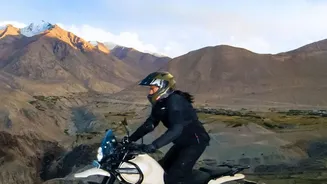
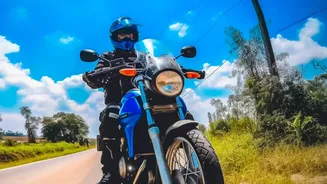
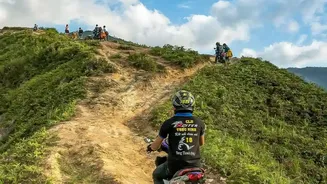
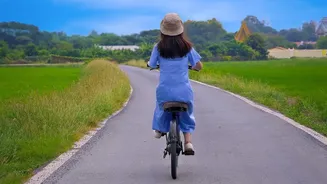
The Parvathipuram Manyam district administration has unveiled an ambitious plan to introduce 'bike tourism', a novel concept for the region designed to unlock its vast, untapped potential. The core idea is to create designated 30-kilometre routes that
allow tourists to explore the area's dense forests, scenic hills, and winding ghat roads. District Collector Prabhakar Reddy has directed officials to identify suitable circuits across the four assembly constituencies of Parvathipuram, Kurupam, Salur, and Palakonda. This initiative builds on the success of a pilot project launched last year: the state's first tribal bike taxi service. That program saw local Adivasi youth ferrying tourists on motorcycles to 16 remote waterfalls that were previously accessible only by trekking several kilometres. The positive response from visitors prompted the administration to think bigger, leading to this more comprehensive bike tourism strategy.
More Than Just a Scenic Ride
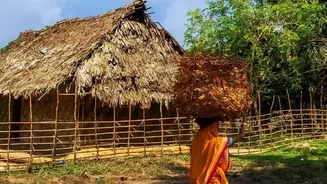
This project is about much more than just offering tourists a new way to see the sights; it's a carefully planned socio-economic intervention. The primary goal is to generate sustainable livelihood opportunities for the local tribal communities. The administration envisions a model where tribal youth are not just employees but entrepreneurs. They will be encouraged and supported to work as tour guides, operate bike rental services, and run small-scale hospitality businesses like homestays and local eateries. This follows a pattern established by the earlier bike taxi service, where the District Rural Development Agency (DRDA) provided loans to tribal youth to purchase bikes. The new, expanded initiative aims to create a complete ecosystem, with plans for rest shelters, secure overnight stay facilities, and shops selling local tribal products at key tourist spots.
Charting a Green and Sustainable Route
The emphasis on bicycles and motorcycles aligns with a broader push for eco-friendly travel. The region, already popular with motorcycle enthusiasts and cyclists, is being branded as a destination for green tourism. By encouraging travel on two-wheelers, the initiative aims to minimize the carbon footprint and environmental disruption often associated with heavy tourist vehicles. The identified routes are being designed to showcase the district's stunning natural beauty, connecting serene waterfalls like Moganali, Sikhaparuvu, Dalaivalasa, and Tonam with breathtaking viewpoints and trekking trails. This focus on nature-based tourism has already shown promising results, with officials reporting a significant surge in visitors to the district's waterfalls in recent months, transforming the area's economic prospects. The administration is also promoting adventure activities like rock climbing to further enhance the appeal for eco-tourists.
The Road Ahead
The district collector has tasked officials with preparing a comprehensive action plan, which includes identifying safe riding routes and developing the necessary infrastructure to support the influx of tourists. The project is being managed under the Integrated Tribal Development Agency (ITDA), which has been central to developing tourism in the region. This community-centric approach, where local Adivasis have actively participated in clearing paths and building basic infrastructure, has already received national recognition. The vision is to establish Manyam as a premier destination for responsible tourism, where visitors can experience the rich natural heritage and unique tribal culture of the Eastern Ghats. To make the experience seamless, authorities are also working on developing a dedicated website for bookings and installing QR codes at major junctions to provide visitors with instant information.