


The Monsoon-Proofing Master Plan
The single most important rule for monsoon container gardening is ensuring excellent drainage. After months of heat, plants respond to rain with vigorous growth, but too much water is their biggest enemy. Saturated soil suffocates roots, leading to root rot,
yellowing leaves, and fungal diseases. Before the heavy showers set in, check that every pot has clear drainage holes. Over time, these can get clogged with compacted soil or roots. A simple trick is to elevate your pots using plant stands, bricks, or 'pot feet'. This small gap allows excess water to escape freely and prevents your herbs from sitting in puddles. Also, consider your soil mix. Heavy garden soil holds too much water for pots. Opt for a lighter, well-draining potting mix that allows water to pass through easily, protecting your plants from waterlogging.
Basil Care: Sun, Shelter, and Sips
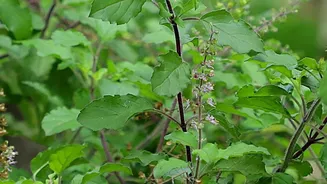
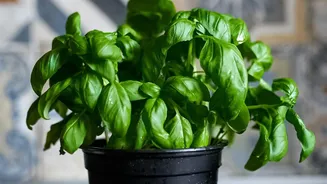
Both sweet Italian basil and our beloved Tulsi (Holy Basil) need special attention during the rains. Basil loves sunshine, and the grey, overcast days of the monsoon can weaken it. More importantly, it despises 'wet feet'. Overwatering is the fastest way to kill a basil plant. During the monsoon, stop watering on a fixed schedule. Instead, check the soil first; if the top inch feels dry, then it's time to water. If your balcony is exposed to heavy downpours, move your basil pots to a spot with some overhead cover to control how much water they receive. Good air circulation is also key to preventing fungal issues like downy mildew. Don't overcrowd your plants. Pruning regularly not only gives you fresh leaves for your kitchen but also encourages bushier growth and helps the plant dry faster.
Mint Care: Taming the Overenthusiastic Herb
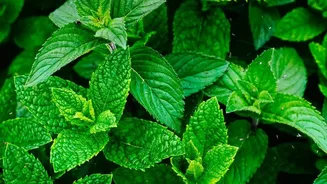
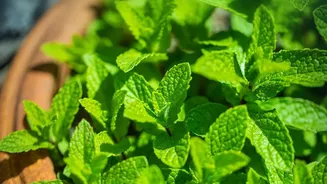
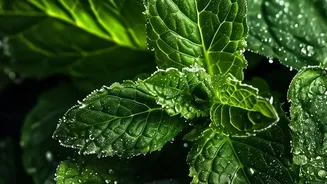
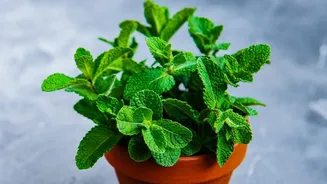
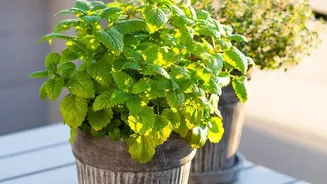
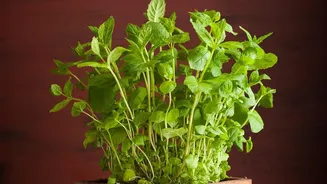
Mint is famously easy to grow, sending out runners and spreading aggressively. This vigour can be its downfall in the monsoon. In the heat and high humidity, mint grows incredibly fast, but this can lead to weak, leggy stems and leaves with a less potent flavour. The dense growth also traps moisture, creating a perfect environment for root rot and fungal diseases. Always grow mint in its own pot to keep it contained. During the rains, prune it back regularly to encourage stronger stems and improve air circulation through the plant. If you see leaves turning yellow or the stems becoming mushy despite wet soil, it's a classic sign of overwatering and root decay. Ensure its pot has excellent drainage and avoid letting it sit in a water-filled saucer.
Lemongrass Care: A Tropical Grass's Rainy Day Rules
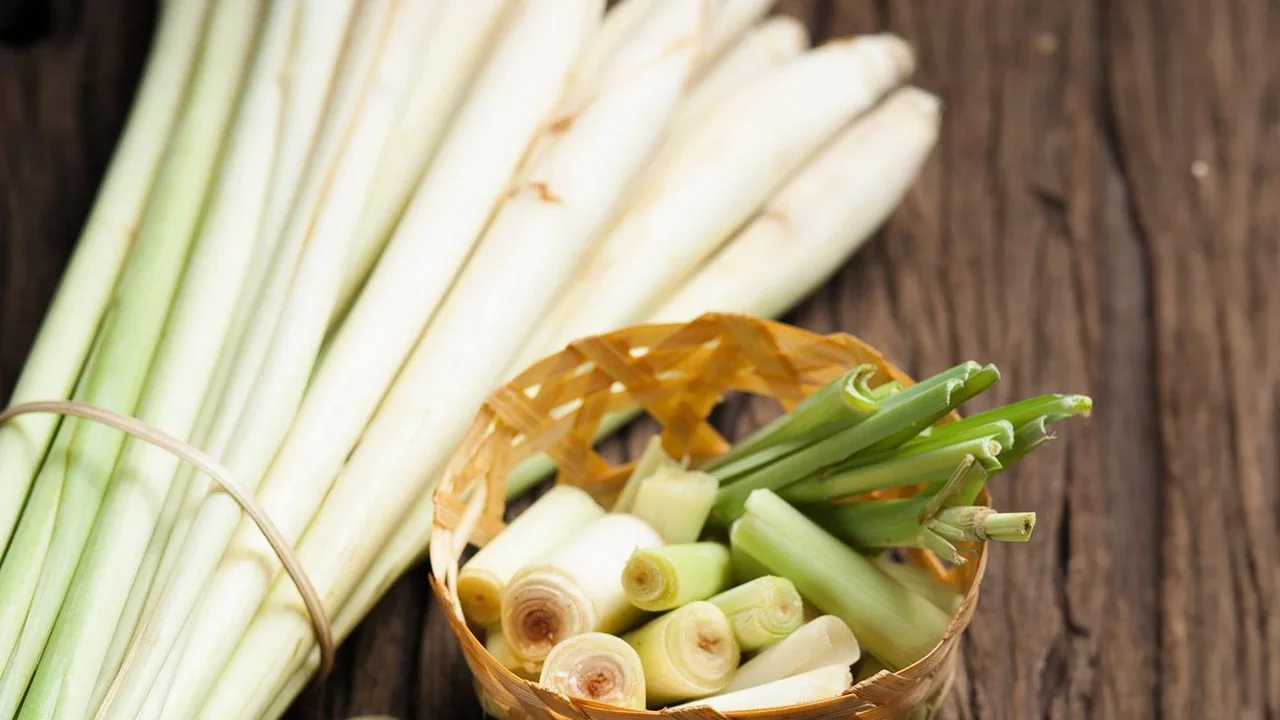
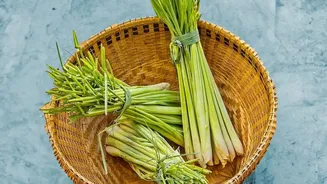
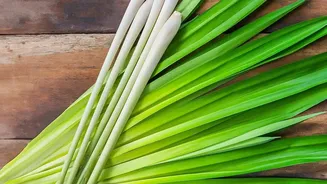
As a tropical grass, lemongrass enjoys moisture but still needs good drainage to thrive, especially in a pot. It requires at least six hours of sunlight to produce flavourful, oil-rich stalks, so find the sunniest spot on your balcony for it. While it can handle more water than basil, waterlogged soil will cause its roots to rot. The same rules apply: use a well-draining soil mix and a pot with ample drainage holes. During the monsoon, you'll need to water less frequently, especially if the pot is exposed to rain. Keep the area around the base of the plant clean by removing any dry or yellowing leaves. This improves airflow and helps prevent pests from making a home in the dense clump.
Pest Patrol During the Downpour
The monsoon doesn't just encourage plant growth; it's also a prime time for pests. The damp conditions are ideal for slugs and snails, which chew irregular holes in leaves. Aphids are another common problem, attracted to the lush new growth that the rain promotes. You might find these tiny insects clustered on the undersides of leaves or on tender new shoots. Regular inspection is your best defence. Check your plants every few days, especially after a spell of rain. To manage these pests organically, you can spray a simple solution of neem oil mixed with water and a few drops of liquid soap. This helps repel many common garden pests without harming your edible herbs. Ensuring good airflow and avoiding overcrowding can also make your plants less inviting to pests and diseases.