





As seasons shift, so do our skin's needs. The same routine that works wonders in summer can leave skin feeling tight and dry in winter. But building a weather-resistant skincare plan doesn't mean a total overhaul, according to dermatologists.
The Foundation: A Flexible Core Routine
Before tweaking
for weather, it's essential to have a solid baseline. Dermatologists agree that a foundational routine should always include three simple steps: cleansing, moisturizing, and sun protection. The key to a weather-proof plan is not to change this core structure, but to swap the types of products you use within it. For instance, your daily cleanser, moisturizer, and sunscreen will remain constants, but their formulation might shift from lightweight to rich as the weather dictates. Think of it as having a wardrobe for your skin; you wouldn't wear a wool coat in May, and your skin benefits from similar seasonal adjustments.
For Cold, Dry Air: Boost Hydration and Protection
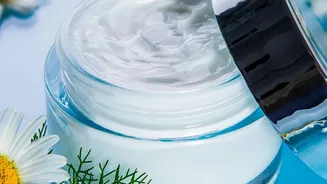
Winter air, both outdoors and from indoor heating, holds less moisture and actively pulls it from your skin. This can weaken your skin's natural protective barrier, leading to dryness, flakiness, and irritation. To combat this, experts suggest making two key changes. First, switch from a light lotion to a thicker cream moisturizer. Look for products you can scoop out of a jar, as they are often richer than those from a pump bottle. Second, incorporate ingredients that hydrate and repair the skin barrier. Dermatologists frequently recommend hyaluronic acid, which draws moisture into the skin, and ceramides, which act like mortar between your skin cells to lock that moisture in. Applying moisturizer to damp skin right after a lukewarm—not hot—shower is another pro-tip to maximise hydration.
For Hot, Humid Weather: Go Lightweight and Cleanse Well
In hot and humid climates, the air is full of moisture, which sounds good for skin but often leads to other issues. Increased sweat and oil production can clog pores, leading to breakouts and a shiny complexion. In these conditions, heavy creams can feel suffocating and trap sweat. The solution is to lighten up. Opt for gel-based or lightweight lotion moisturizers that hydrate without adding excess oil. Foaming or gel cleansers can be effective at cutting through sweat and oil, but ensure they are gentle and don't strip the skin. For those prone to breakouts in humid conditions, ingredients like niacinamide or salicylic acid can be particularly helpful in managing oil production.
The Unseen Factor: Wind and Pollution
It's not just about temperature and humidity. Strong winds can be incredibly harsh, physically stripping moisture from your skin and causing what's known as windburn. To protect against this, dermatologists advise creating a physical barrier. This can be as simple as wearing a scarf or hat, or applying a thicker balm or ointment to exposed areas before heading out. Similarly, environmental pollutants can cause oxidative stress on the skin, leading to dullness and irritation. Using products with antioxidants, like Vitamin C or green tea extract, can help defend your skin against these daily environmental aggressors year-round.
The Nonstoppable Factor: Sunscreen, Rain or Shine
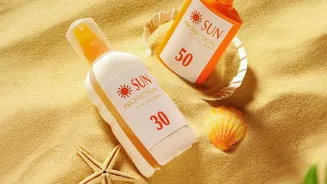
If there is one rule that dermatologists unanimously agree on,' it is the daily use of sunscreen.' It is the single most important step for weatherproofing your skin.' Many people mistakenly believe sunscreen is only for sunny summer days,' but harmful UVA rays are present yearround.' They can penetrate through clouds,' fog,' and even window glass,' contributing to premature ageing and hyperpigmentation.' In India's high UV environment,' sunscreen is nonnegotiable for all skin tones to prevent longterm damage.' Experts recommend a broadspectrum sunscreen with an SPF of 30 or higher,' applied every single day as the final step in your morning routine.' In winter,' you might opt for a more moisturizing sunscreen formula,' while in summer a lightweight version may feel more comfortable.