


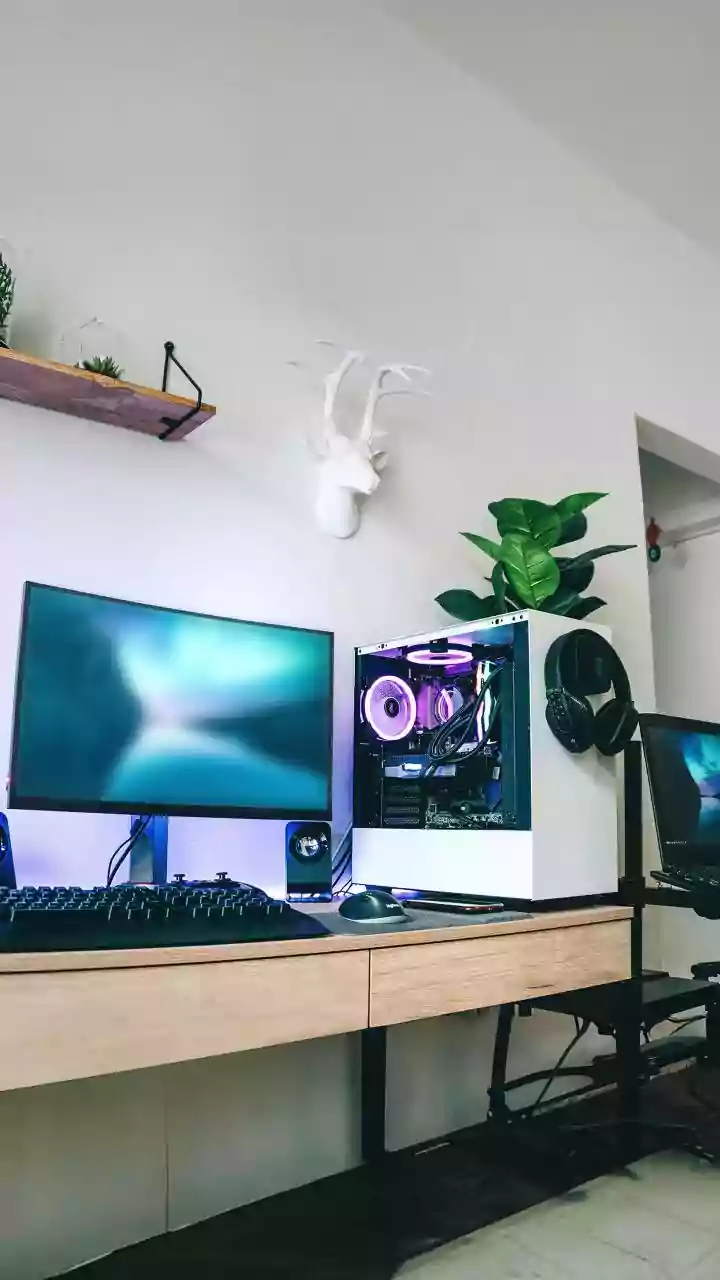



The Problem with Harsh, Cool Lighting
Many homes and offices are illuminated by default with single, powerful overhead fixtures that cast harsh shadows and create intense, cool-toned light. This type of lighting, especially from fluorescent sources or high-Kelvin LEDs, can create an environment
that feels sterile and uninviting. Physiologically, it can lead to eye strain, headaches, and a general feeling of being on edge. Prolonged exposure to overly bright, cool-white light has been linked to burnout and even feelings of depression. Research shows that many people with anxiety report significant discomfort in rooms with fluorescent lighting, with some feeling compelled to leave the space entirely. This kind of light keeps our nervous system in a state of high alert, which is counterproductive to feeling calm and safe at home.
How Light Speaks to Your Brain
Our bodies have a natural internal clock, the circadian rhythm, which is powerfully synchronized by light. Specialised cells in our eyes sense light intensity and color, sending signals directly to the parts of our brain that regulate mood and alertness. Bright, blue-toned light, similar to the morning sun, suppresses the sleep hormone melatonin and boosts alertness. Conversely, as evening approaches, natural light becomes warmer and dimmer, signaling our brain to produce melatonin and wind down for sleep. When we flood our evenings with intense, cool artificial light, we disrupt this natural cycle. Studies have shown a significant link between high exposure to artificial light at night and an increased risk for depression, anxiety, and other mood disorders.
The Science of Soft and Warm Light
Soft, ambient illumination is about creating a foundational layer of gentle, diffused light. Unlike harsh overheads, it fills a room without a clear, single source, reducing glare and eliminating stark shadows. The 'warmth' of this light is also crucial. Measured in Kelvins (K), warmer light has a lower color temperature (typically 2700K-3000K) and appears more yellow or amber. This color profile is less stimulating to our brains. Studies suggest that warm light promotes relaxation and can help reduce feelings of anxiety. In one study, participants reported that environments with warm lighting felt more calming and positively influenced their mood. This warm glow helps lower cortisol, the stress hormone, creating a sense of tranquility and safety.
Creating a Layered Lighting Haven
The key to better indoor lighting is thinking in layers: ambient, task, and accent. Ambient light is your base layer, the soft glow that makes a room feel inviting. This is where you replace the harsh overhead. Instead of a single ceiling fixture, use multiple sources of warm light. Floor lamps pointed at the ceiling, table lamps with fabric shades, and wall sconces all contribute to a soft, diffused ambient glow. Then, add task lighting—brighter, focused light for activities like reading or cooking. An adjustable floor lamp by a reading chair or under-cabinet lights in the kitchen are perfect examples. Finally, use accent lights to highlight artwork or architectural features. By combining these layers, you can create a dynamic environment you can adjust to fit your mood and needs.
Simple Steps to Softer Illumination
You don't need a complete electrical overhaul to make a difference. Start by swapping out your existing bulbs for ones with a warmer color temperature; look for 'soft white' or a Kelvin rating of around 2700K. Installing dimmer switches is one of the most effective changes you can make, allowing you to lower the intensity of your lights in the evening to signal relaxation time. Invest in floor and table lamps to create pools of warm light throughout a room, and make sure their shades are a diffusing material like fabric or frosted glass. Even something as simple as using smart bulbs can allow you to change the color and brightness of your lighting throughout the day, mimicking the sun's natural progression from cool to warm.