




From Monuments to Moments
For decades, the classic Indian holiday often involved a checklist of historical monuments and famous cities. While heritage sites remain a major draw, a significant change in traveller mindset is reshaping the tourism landscape. According to a 2026 report,
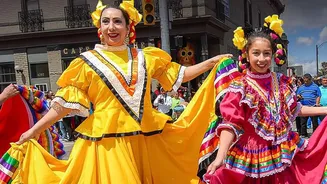
a staggering 67% of Indian travellers now plan their trips around cultural experiences, with festivals being a prime motivator. This indicates a move away from passive sightseeing towards active participation. Travellers are no longer content to just see a place; they want to immerse themselves in it, to understand its stories, and to feel its rhythm. Festivals, with their condensed, high-energy showcase of local life, have become the perfect gateways for this new, experience-hungry generation. This trend is especially strong among younger travellers, with a recent survey revealing that 76% of Indian Gen Z travellers have visited a city for the first time specifically for a concert or festival.
A Stage for Local Creators
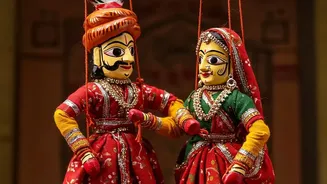
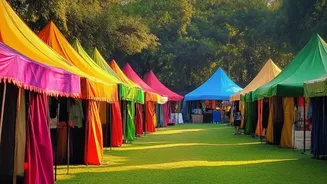
This boom in festival tourism has a profound economic and cultural impact, creating a powerful platform for local artisans and musicians. Festivals like the Rann Utsav in Gujarat provide a direct marketplace for artisans to sell their unique crafts, from intricate Kutch embroidery to handwoven Bandhani textiles, directly to a national and international audience. This model not only helps preserve priceless generational skills but also ensures that the economic benefits flow directly into the community. Similarly, music festivals are becoming crucial launchpads for independent and regional artists. The Ziro Festival of Music in Arunachal Pradesh, set against the backdrop of rice fields, has become renowned for its focus on indie acts and musicians from Northeast India, giving them exposure they might not find in the mainstream music industry. By working closely with the local Apatani community and using sustainable materials like bamboo, Ziro exemplifies how festivals can be both culturally and environmentally conscious.
A Culinary Pilgrimage
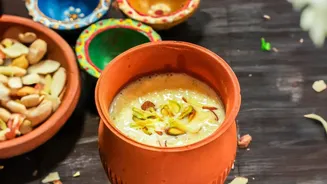
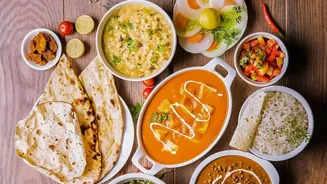
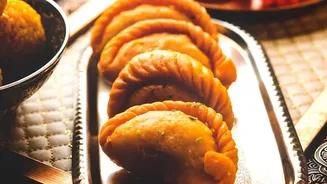
Food has always been central to the Indian travel experience, but festival tourism elevates it to a primary attraction. Research shows that 43% of travellers would happily plan an entire trip just for the culinary experiences. Festivals are becoming vibrant food destinations where one can sample an entire region's specialities in one place. Events like the National Street Food Festival in Delhi bring together vendors from across the country, allowing visitors to taste everything from Varanasi's kachoris to Kolkata's famous rolls. Others are deeply rooted in regional harvests and traditions, like the Pongal food festival in Tamil Nadu, which celebrates the harvest with authentic village dishes and open-air kitchens. This focus on food does more than just satisfy appetites; it helps preserve culinary heritage, supports local farmers and vendors, and offers travellers an authentic taste of place that a standard restaurant meal often cannot provide.
The Search for Authentic Connection
At its core, this trend is driven by a desire for authenticity and connection. In an increasingly digital world, travellers are seeking real, tangible experiences that offer a deeper understanding of culture. Festivals provide this in abundance. They are not staged for tourists; they are living, breathing celebrations of community, faith, and tradition. Attending an event like the Hornbill Festival in Nagaland or the Pushkar Fair in Rajasthan is to witness culture in motion. These gatherings create employment for thousands, from event managers to local guides and transport providers, and foster a sense of pride and cultural preservation within the host communities. For the traveller, the reward is an experience that goes beyond a photograph—it's the chance to learn a craft from an artisan, share a meal cooked with local love, and dance to music that tells the story of a land and its people.