






Air Quality: A Persistent Hazard
India's struggle with air pollution continues, with major northern and eastern cities consistently recording 'unhealthy' Air Quality Index (AQI) readings throughout early 2026. A January 2026 analysis found that nearly half of monitored cities breached
India's own national standards for PM2.5 pollution, and not a single city met the World Health Organization's daily safe guideline. Ghaziabad and Delhi were ranked as the most polluted cities in that period. While the monsoon offers seasonal relief, India's annual average PM2.5 concentration in 2025 was nearly ten times the WHO's recommended guideline, making it one of the most polluted countries globally. A major gap remains in monitoring, with an estimated 85% of the population living outside the range of any real-time air quality stations, particularly in smaller towns and industrial belts.
Water: A Deepening Scarcity Crisis
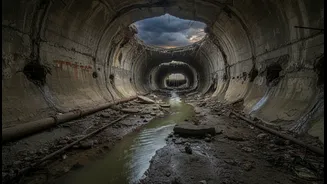
India is facing what some reports call 'water bankruptcy', where extraction and climate pressures outpace the ability of water sources to recover. With 18% of the world's population but only 4% of its freshwater, the strain is immense. Before the summer of 2026 even peaked, over a third of the country's major reservoirs had fallen below the 50% alert threshold. Groundwater, which supplies the majority of irrigation and drinking water, is being depleted at an alarming rate, with some projections warning that cities like Delhi and Bengaluru could exhaust their reserves by 2030. Inefficient irrigation in agriculture consumes about 80% of the nation's freshwater. Adding to the crisis, leaking pipes in urban areas can lose 40-50% of the water supply before it ever reaches consumers.
Biodiversity: Facing Unprecedented Threats
India is a mega-diverse country, but this rich natural heritage is under severe threat. Recent data shows hundreds of plant and animal species are now categorised as 'Endangered' or 'Critically Endangered'. Habitat loss is a primary driver, with an estimated 135 hectares of forest cleared daily for development projects. This habitat destruction and fragmentation is increasing human-wildlife conflict, particularly as tiger populations in some reserves reach saturation points, pushing them into areas inhabited by people. A June 2026 report also highlighted a critical gap in corporate responsibility, finding that over 75% of India's top listed companies have deficient biodiversity protection reporting, showing a disconnect between economic growth and environmental stewardship.
Waste Management: The Plastic Challenge
Plastic waste remains a monumental challenge, with real collection rates hovering around 50-60%. In response, the government has amended the Plastic Waste Management Rules for 2026, shifting focus from just collection to mandating the use of recycled plastic in packaging. The new rules set phased targets for recycled content, requiring up to 60% in rigid packaging by 2028. They also introduce mandatory reuse targets for certain types of packaging. However, some experts have raised concerns, noting that the rules also allow for unfulfilled targets to be carried forward and endorse 'end-of-life' disposal methods like waste-to-energy, which can risk air quality.
Renewable Energy: A Clear Silver Lining
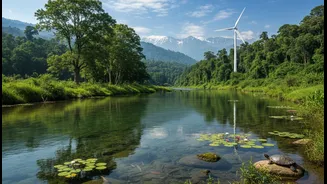
Amid the challenges, India's push for renewable energy stands out as a significant success story. In 2025, India met its target of having 50% of its installed electricity capacity from non-fossil fuel sources—five years ahead of schedule. As of April 2026, the country ranked third globally for renewable energy installed capacity. Solar power is leading this charge, with India adding a record amount of solar capacity in the 2025-26 financial year. On July 6, 2026, clean energy sources met more than half of India's total electricity demand for a period, a significant milestone. While coal remains a major part of the energy mix, the rapid growth in renewables signals a clear and accelerating transition toward a cleaner energy future.