






Beyond the Morning Coffee
For years, the engine of the office has been the espresso machine, providing a quick, powerful jolt to kickstart productivity. However, as the lines between work and life blur, professionals are seeking more than just a caffeine hit. They’re looking for
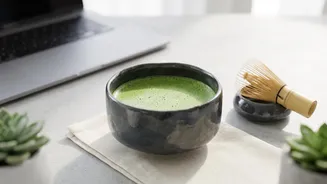
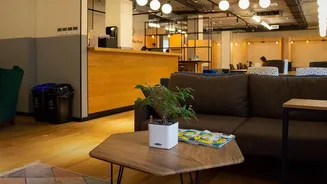
sustained energy without the anxiety or the inevitable afternoon crash. Enter matcha, a finely ground powder of specially grown and processed green tea leaves. Co-working spaces, which are no longer just places with Wi-Fi but curated environments for productivity, have noticed this shift. They are tapping into a growing desire for mindful consumption, and the traditional matcha whisk, or chasen, is at the heart of this movement.
The Science of 'Calm Focus'
The appeal of matcha for a modern worker lies in its unique biochemistry. While it contains caffeine, it also has a high concentration of an amino acid called L-theanine. This combination is a powerhouse for productivity. The caffeine provides alertness, but the L-theanine promotes the production of alpha waves in the brain, which are associated with a state of relaxed alertness or 'calm focus'. This means workers can achieve mental clarity and concentration without the jittery side effects often associated with coffee. For someone facing a day of complex problem-solving or creative tasks, this balanced energy is far more appealing than the volatile spike of an espresso. Cafes are banking on this desire for a smoother, more sustained form of focus to keep their professional clientele happy and productive.
The Ritual as an Amenity
The investment in a traditional bamboo whisk is not just about the final product; it's about the process. Preparing matcha with a chasen is a ritual. It requires a moment of pause and intention—whisking the vibrant green powder into hot water in a W-shaped motion until a delicate foam forms. In a work culture battling burnout, offering this small, meditative act as an experience is a powerful amenity. It transforms a simple drink break into an opportunity for mindfulness. Co-working cafes are evolving into 'hospitality-driven spaces' that curate experiences, not just desks. By providing the tools for this ritual, they offer a tangible wellness benefit that goes beyond free snacks, creating a more holistic and supportive work environment.
A Smart Business and Brand Decision
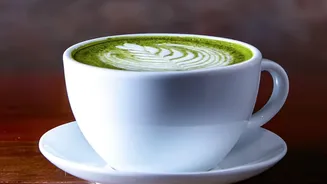
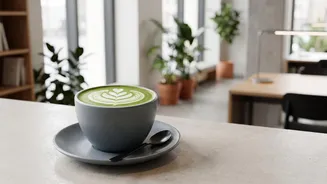
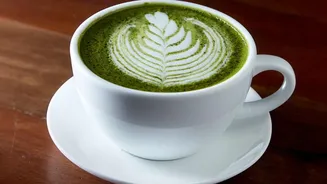
From a business perspective, embracing traditional matcha is a savvy move. It taps directly into the 'premiumization' trend, where consumers are willing to pay more for high-quality, authentic experiences. A hand-whisked matcha latte can command a higher price than a standard coffee, boosting revenue. Furthermore, the visual appeal of the bright green tea and the unique bamboo whisk is highly 'Instagrammable', providing free marketing and reinforcing the cafe's brand as a modern, wellness-focused destination. In a competitive market, standing out is crucial. Offering an authentic matcha experience, complete with the proper tools, differentiates a co-working cafe from competitors that might just offer a generic, pre-made version. It signals a commitment to quality and an understanding of the evolving needs of their target audience.
The Future of Workplace Wellness
The rise of the matcha whisk in co-working spaces reflects a broader shift in our understanding of productivity and wellness. As hybrid work models become the norm, the 'third space' is no longer just a place to log on but a hub for focus, community, and well-being. The tools and amenities provided are evolving to match. The traditional chasen is a perfect symbol of this evolution: an ancient tool being used to solve a modern problem. It helps workers manage their energy more effectively while offering a moment of quiet ritual in an otherwise hectic day. This trend suggests that the future of workplace amenities lies not in more technology, but in more thoughtful, human-centric offerings that support both the mind and the body.