






Start with Your Water Bill
Your water bill is more than just a payment reminder; it's a report card on your household's consumption. Before you start inspecting taps, take a close look at your bills from the last few months. Look for sudden spikes in usage that you can't explain
by having extra guests or a change in routine. A steady, unexplained climb in consumption is often the first sign of a hidden leak. Understanding your baseline usage provides a benchmark. According to Indian standards, domestic water consumption in urban areas is around 135 litres per person per day. Knowing this helps you gauge whether your family's usage is average or if there's room for improvement.
Perform the Water Meter Test
The water meter test is the most definitive way to confirm a leak in your plumbing system. It’s simple to do. First, locate your water meter, which is usually in a covered box near the street or at the entry point of your building's water line. Make sure no water is being used inside or outside your home—turn off all taps, showers, washing machines, and water purifiers. Take a reading of the meter, noting the exact numbers. Wait for at least two hours without using any water, then take a second reading. If the number has changed, you have a leak. The difference between the two readings tells you how much water is being lost. This test is best done overnight when the house is quiet and water use is naturally at a standstill.
Inspect Room by Room for Leaks
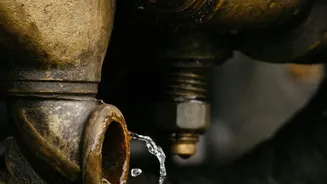
Once you've confirmed a leak exists, or even if you just want to be thorough, it's time for a visual inspection. Go through your home systematically. In bathrooms, check toilets for silent leaks by adding a few drops of food colouring to the cistern; if the colour appears in the bowl without flushing, the flapper is leaking. Check under sinks for any signs of dampness and run a dry hand or tissue along pipes to feel for slow drips. Dripping taps and showerheads are obvious culprits that can waste a significant amount of water over time. In the kitchen, pay attention to the sink taps and the area around your water purifier. Outside, inspect garden hoses, outdoor taps, and sprinkler systems for drips and check for persistently damp patches on walls or the ground, which can indicate a concealed pipe leak.
Assess Your RO Water Purifier
Reverse Osmosis (RO) purifiers are common in Indian homes, but they are notoriously inefficient, often wasting three to four litres of water for every litre of purified water they produce. This 'waste' water, or reject water, doesn't just go down the drain. While you might not be able to reduce the amount the machine rejects, you can certainly reuse it. The reject water has a slightly higher concentration of minerals but is perfectly safe for tasks like mopping floors, washing utensils, cleaning your car, or watering plants. Place a bucket or a small drum to collect the reject water from the outlet pipe. Making this a habit can save hundreds of litres of fresh water every month.
Calculate and Conserve
After finding and fixing leaks, the final step is to implement conservation habits. Simple changes make a huge difference. For instance, turn off the tap while brushing your teeth or shaving. Opt for shorter showers instead of baths; a five-minute reduction in shower time can save a substantial amount of water each month. Ensure your washing machine and dishwasher are run with full loads only to maximise water efficiency. Teach every family member about these small but impactful habits. By combining leak repairs with conscious conservation efforts, your post-monsoon audit can lead to significant long-term savings on your water bills and a much smaller environmental footprint for your household.