








The Familiar Trap of 'Just Looking'
You have a vacation in mind. The first step for many is a casual browse through flight and hotel websites. It starts innocently enough. You're just exploring options, getting a feel for the prices. But then it happens. You stumble upon a stunning hotel with
a rooftop pool, rave reviews, and perfect aesthetics. Suddenly, a number that was a vague guideline in your head is being stretched. This phenomenon, where travel dreams inflate to match the most appealing options rather than a realistic budget, is a major source of financial stress. The excitement of booking can often lead to impulse decisions, causing you to commit to expenses that lead to debt or regret long after the trip is over. You're not just booking a room; you're emotionally investing in a version of your vacation that may be far more expensive than you originally intended.
Flipping the Script: The Power of a Pre-Set Limit
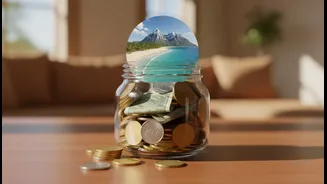
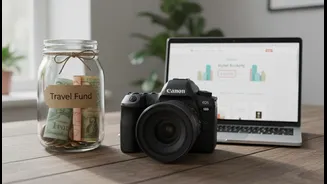
The solution is to reverse the process entirely. Instead of letting your browsing determine your budget, let your budget define your browsing. This is where a dedicated trip fund—often called a sinking fund—comes in. A sinking fund is a savings account created for a single, specific purpose that you contribute to over time. Before you look at a single hotel or flight deal, you decide on the total cost of your trip and save that exact amount. Once the fund is complete, that number becomes your hard limit. It's not a suggestion; it's the total amount you have to spend. This simple switch changes the entire dynamic of travel planning. The question is no longer, "How can I afford this amazing hotel?" but rather, "What is the most amazing trip I can have with the money I've already saved?"
The Psychological Advantage of a Trip Fund
This 'fund-first' approach has profound psychological benefits. First, it eliminates decision fatigue and the temptation to overspend. When your budget is a fixed, tangible amount of money in an account, it’s much harder to justify going over. Second, it fosters creativity. With a set limit, you begin to look for value and unique experiences rather than just luxury. You might explore destinations during the shoulder season, stay in a charming local guesthouse instead of a large chain hotel, or prioritize spending on activities rather than just accommodation. Third, it makes the vacation itself more enjoyable because it has been fully prepaid. Research shows that prepaying for a vacation can enhance enjoyment because the spending is disconnected from the experience, making everything feel 'free' by the time you're there. You are free to immerse yourself in the moment without the nagging worry of a mounting credit card bill.
How to Build Your Own Trip Fund
Creating a trip fund is straightforward. First, define your goal by researching the realistic costs of your desired vacation, including flights, lodging, food, and activities. It’s wise to add a 10-15% buffer for unexpected expenses. Next, open a separate, dedicated savings account. A high-yield savings account is ideal as it allows your money to earn interest while you save. Keeping this money separate from your primary checking account creates a mental boundary that helps maintain discipline. The most crucial step is to automate your savings. Set up a recurring transfer from your main account to your trip fund each payday. Breaking a large goal into smaller, automatic contributions makes it feel more manageable and ensures steady progress without relying on willpower alone.
A Holistic Approach to Travel Planning
The beauty of the trip fund method is that it forces you to think about the entire cost of travel, not just the big-ticket items. Your fund should account for everything: transportation, accommodation, food, activities, souvenirs, and even pre-trip purchases. When you know you only have a set amount, you start to make more conscious trade-offs. Perhaps you opt for an apartment with a kitchen to save on food costs, allowing you to splurge on a once-in-a-lifetime tour. Or you choose to fly on a weekday to get a cheaper fare. This mindset moves you from a passive consumer to an active, intentional planner. Your trip becomes a well-crafted experience built within the satisfying constraint of a budget you set and achieved yourself.