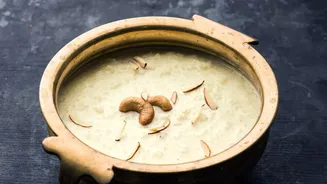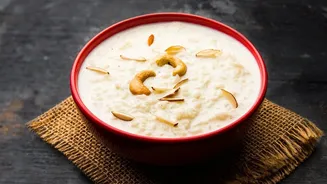



Phirni is a classic Indian dessert, a creamy pudding that comforts and delights. While the traditional recipe is a treasure, this guide explores a seasonal star: Sitaphal Phirni, turning the beloved custard apple into a festive, luscious treat.
The Foundation: Getting the Base Right
The soul
of any great phirni lies in its two core ingredients: milk and rice. This is not the place for skimmed milk; full-fat milk is essential for achieving the rich, creamy texture that defines the dessert. As the milk simmers, it reduces and thickens, concentrating its flavour. The choice of rice is equally important. Fragrant Basmati rice is traditionally preferred as it lends a subtle, beautiful aroma to the pudding. Before it meets the milk, the rice needs preparation. It should be washed and soaked for at least 30 minutes, which helps it soften. Afterwards, it's crucial to drain the rice well and grind it into a coarse, granular paste, resembling fine rava or semolina. This texture is key—too fine, and the phirni becomes pasty; too coarse, and it won't cook evenly into a smooth pudding.
Preparing the Star: The Custard Apple
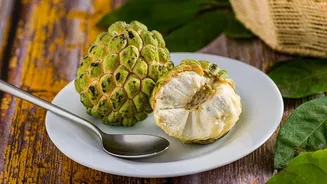
Sitaphal, or custard apple, brings a unique, sweet, and almost tropical flavour to the phirni. Selecting the right fruit is the first step. Look for a sitaphal that is soft to the touch, indicating it's ripe and the pulp will be sweet and easy to extract. The most laborious part of this recipe is preparing the fruit. To do so, break the sitaphal in half and scoop out the flesh into a bowl. The easiest way to separate the seeds from the creamy pulp is to press the pulp against a large-holed strainer or sieve. Using the back of a spoon, mash and push the pulp through the mesh, leaving the seeds behind. This process requires a bit of patience but ensures your final phirni is smooth and seed-free. Once you have the luscious pulp, set it aside.
Cooking the Phirni to Perfection
With your components ready, it's time to cook. Begin by bringing the full-fat milk to a boil in a heavy-bottomed pan, which helps prevent scorching. Once it boils, reduce the heat to low. Slowly add the ground rice paste, stirring continuously and vigorously to prevent any lumps from forming. This is the most critical stage for achieving a silky texture. Let the mixture cook on a low flame for 15-20 minutes, stirring frequently. You'll know it's ready when the rice is fully cooked and the mixture has visibly thickened. At this point, you can add sugar and stir until it dissolves completely. The phirni should be thick but still have a pouring consistency, as it will continue to set as it cools.
Infusing Fruit and Flavour
Timing is everything when it comes to adding the sitaphal. Never add the fruit pulp to the phirni while it is hot on the stove, as the heat can alter its delicate flavour and sometimes even cause the milk to curdle. Turn off the heat and allow the phirni to cool down slightly. When it's warm, but not piping hot, gently fold in the sitaphal pulp. This is also the perfect time to introduce other aromatics. A pinch of freshly ground cardamom powder is a classic addition that beautifully complements both the milk and the fruit. Stir everything together gently until just combined to maintain the integrity of the fruit pulp.
Chilling and Garnishing
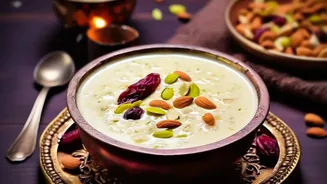
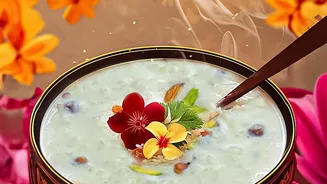
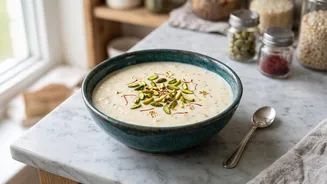
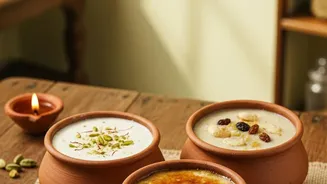
Phirni is a dessert best served chilled. Traditionally, it is poured into small, unglazed earthenware bowls called 'shikoras' or 'matkas'. These clay bowls are not just for presentation; their porous nature helps absorb excess moisture, makingthe phirni even thicker and imparting a subtle, earthy aroma that is simply divine. If you don't have shikoras, any small serving bowls will do. Once poured, letthe phirni cool to room temperature before covering and transferring tothe refrigerator. Let it chill for at least a few hours, or preferably overnight, to allow it to set completely. Just before serving, garnish with slivered pistachios and almonds for a delightful crunch and a pop of colour. Some also add a few strands of saffron for a touch of luxury.