

The results of the 2026 U.S. midterm elections are in, delivering a stunning victory for the Democratic party. This shift in Washington's power dynamic is set to create ripples across the globe, impacting everything from global trade to security alliances.
A New Political Map in Washington
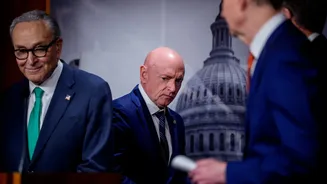
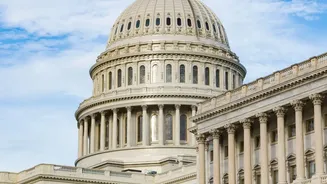
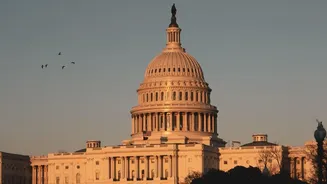
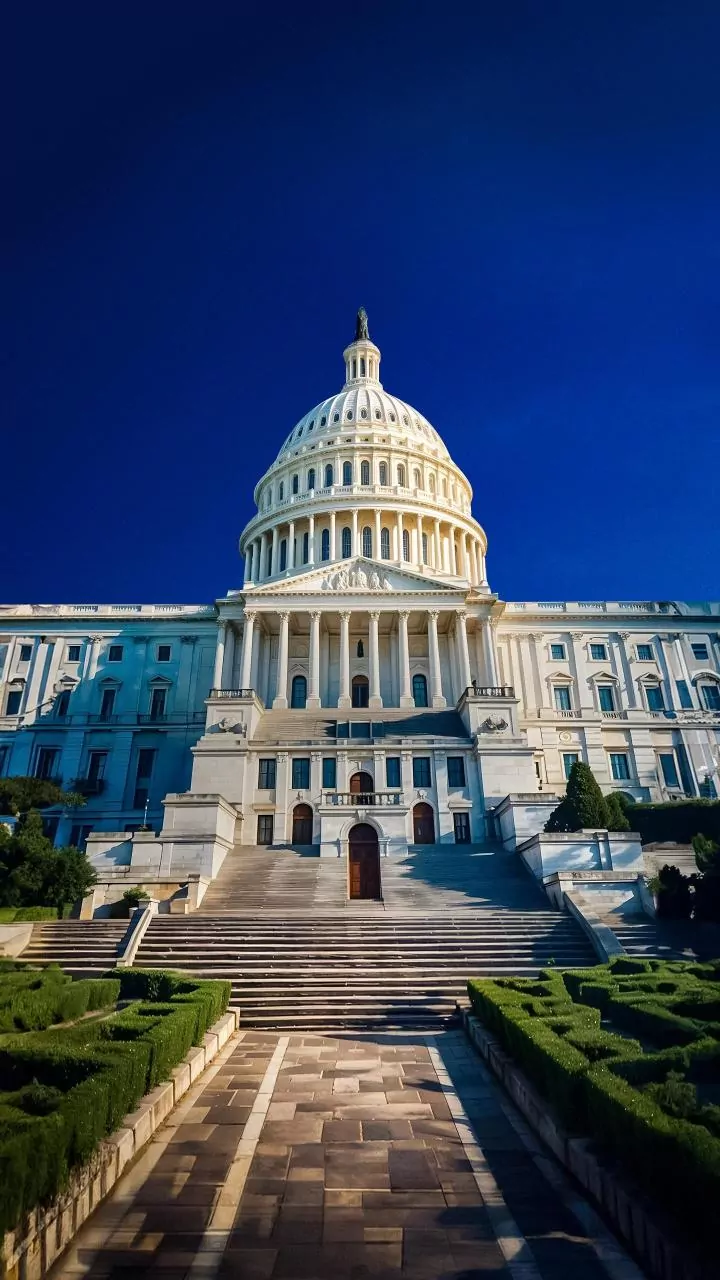
American voters delivered a decisive victory for the Democrats, who have now taken control of both the House of Representatives and the Senate. This outcome represents a significant electoral correction to President Donald Trump's second term and effectively ends the Republican party's legislative monopoly. For the first time in years, Congress will be helmed by Democrats, giving them powerful tools for oversight, control over federal spending, and the ability to block presidential nominees. However, this divided government is also a recipe for legislative gridlock, where the President's agenda will face stiff opposition and he may increasingly resort to vetoes and executive orders to advance his priorities, particularly in foreign policy.
The Unpredictable Trump Factor
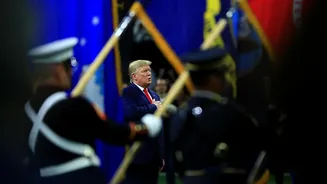
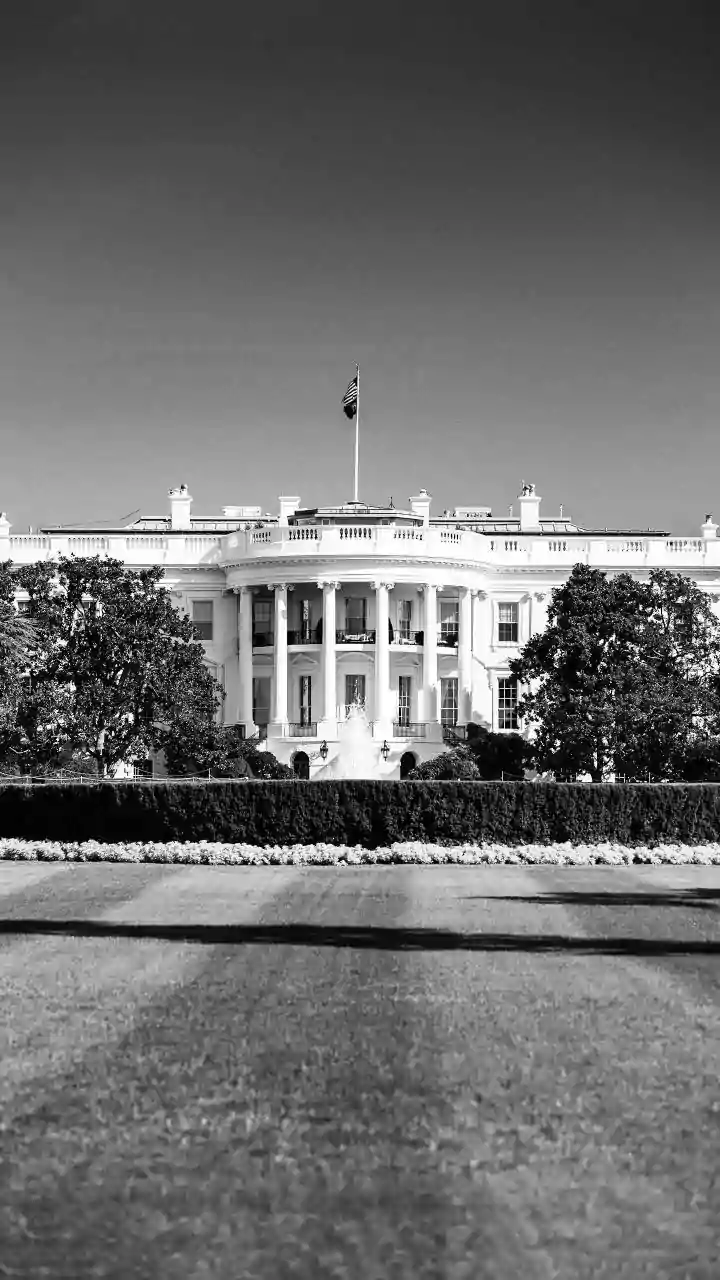
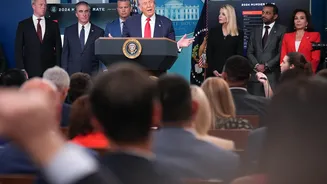
Despite the electoral setback for his party, Donald Trump remains a dominant, if polarizing, force in American politics and retains significant authority over foreign policy. Facing domestic constraints, lame-duck presidents often pivot to the international stage to secure legacy achievements. Analysts predict Trump may lean even more heavily on his executive powers in foreign affairs, where Congress has less ability to directly intervene. This could lead to more unpredictable and unilateral actions. The Republican party itself faces a reckoning, forced to decide whether to continue embracing Trump's 'America First' ideology or forge a new path ahead of the 2028 presidential election. This internal struggle will add another layer of uncertainty for allies and adversaries alike.
Global Alliances and Strategic Anxieties
The election results will undoubtedly cause concern among traditional U.S. allies. A new Democratic-led Congress is expected to push for a different approach to alliances, potentially using committee hearings and its power over the budget to re-examine commitments and troop levels. However, President Trump's own uneven commitment to treaties like NATO means allies in Europe may face continued uncertainty. A key area to watch will be funding for the war in Ukraine; while bipartisan support for Ukraine has been strong, a president looking to strike a deal with Moscow could create friction with a Congress seeking to impose tougher sanctions on Russia. For many nations, the midterms reinforce a perception of the U.S. as an unreliable partner, prompting them to rethink their long-term strategic dependence on Washington.
Flashpoints: From Trade Wars to the Middle East
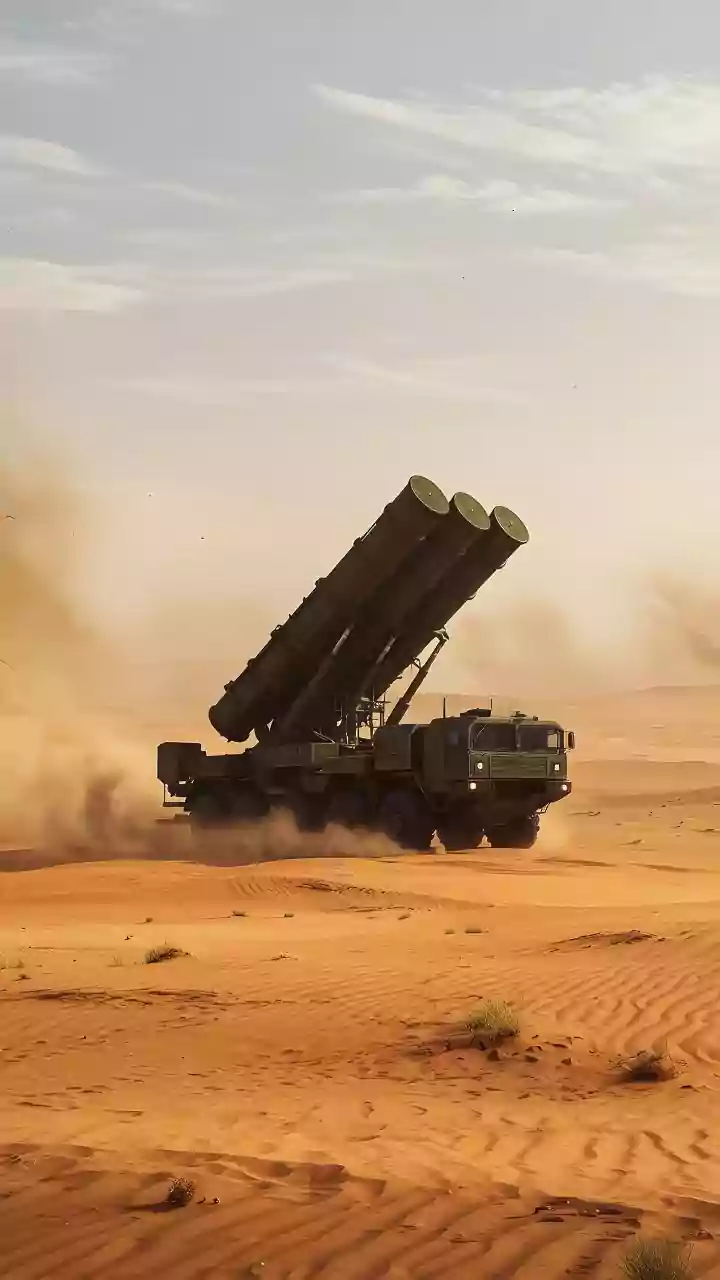
Several key foreign policy issues will be shaped by this new political reality. The Democratic majority is expected to challenge Trump's use of tariffs, which have been blamed for raising costs for consumers, though a complete reversal is unlikely given the president's veto power. The war in Iran, another policy that has been linked to rising costs, will also face intense scrutiny. The new Congress will likely use its 'power of the purse' to try and limit funding for the conflict. Meanwhile, the administration's approach to China is one area that may see continued bipartisan consensus, with a tough stance on Beijing being a shared priority. However, a divided government could lead to more friction and volatility rather than a clear, consistent long term strategy.
What It All Means for India
For India, the shifting sands of American politics present both challenges and opportunities. The U.S.-India relationship has been on an upward trajectory across multiple administrations, grounded in shared strategic interests, particularly concerning China. A Congress more focused on democratic norms and a president less constrained by his party could affect this dynamic. While a Democratic-led Congress may reduce some of the anti-immigrant rhetoric that has concerned the Indian diaspora, it may also bring more scrutiny to India's domestic policies. On the economic front, while a major reversal of trade policy is not expected, the new political climate might check the threat of further unilateral tariffs from the White House. Ultimately, New Delhi, like other world capitals, will be navigating a period of uncertainty, balancing its strong functional cooperation with a U.S. government whose internal divisions will increasingly play out on the world stage.