




The Problem with 'Cup' Measurements
In many kitchens, the word 'cup' is used loosely. A recipe might call for one cup of flour, and we instinctively reach for the nearest drinking mug. Herein lies the problem: there is no standard size for a coffee mug. A 'standard' cup in recipes is a unit
of volume, typically 240 millilitres. However, the mugs in our cupboards can vary dramatically, holding anywhere from 250 ml to well over 500 ml. A common mug size is around 12 ounces (about 355 ml), which is already significantly more than a standard recipe cup. Using a large mug for a recipe that calls for a 'cup' can mean you're adding 30-50% more of an ingredient, throwing the entire recipe out of balance.
Why Precision Matters, Especially in Baking
While a forgiving dal or curry might handle a little extra of this or that, baking is a different story altogether. Baking is essentially a science experiment happening in your oven. The success of a cake, bread, or biscuit relies on precise chemical reactions between ingredients. Flour provides structure, sugar affects moisture and browning, and leavening agents like baking powder create lift. An imbalance can lead to common baking disasters. Too much flour can result in a dense, dry cake. Too little can cause it to collapse. Using your favourite mug as a measuring tool introduces a huge variable that makes consistent results nearly impossible to achieve.
Volume vs. Weight: The Ultimate Kitchen Upgrade
The most accurate way to measure ingredients, and the method used by professional bakers, is by weight (grams) rather than volume (cups). A cup of flour can have a different weight depending on how you scoop it. If you pack the flour tightly into the cup, it will weigh more than if you lightly spoon it in. Humidity can also affect the density and volume of dry ingredients. Weight, however, is an absolute measure. 100 grams of flour is always 100 grams of flour, regardless of how it's packed or the weather outside. This is why investing in a simple digital kitchen scale is a game-changer for any aspiring home baker, eliminating guesswork and ensuring you can replicate a perfect recipe every single time.
Your Toolkit for Recipe Consistency
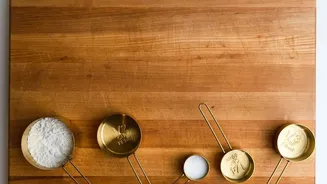
If you're not ready to switch to weighing ingredients just yet, you can still dramatically improve your consistency. The first step is to stop using drinking mugs for measuring. Instead, purchase a set of standardized measuring cups and spoons. These are calibrated to hold specific volumes and will immediately make your measurements more reliable. When measuring dry ingredients like flour, use the 'spoon and level' method: use a spoon to fill the measuring cup until it's overflowing, then use the back of a knife to scrape off the excess. This prevents you from compacting the flour and adding too much. For liquids, use a clear measuring jug with markings on the side, and check the level at eye-level for accuracy.