




Why November Is The Perfect Month
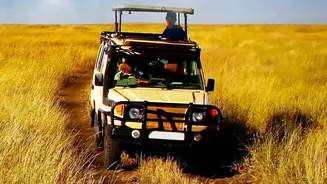
November marks a sweet spot in the safari calendar. Most premier national parks, closed during the monsoon, reopen in October or early November. The forests are vibrant and revitalised after the rains, water bodies are full, and the air is crisp and clear.
This makes for a comfortable and visually stunning safari experience, especially compared to the intense heat of the summer months. While the foliage is still somewhat dense post-monsoon, visibility improves as the month progresses, and the pleasant temperatures mean animals are active for longer periods during the day. It's an ideal time for photography, with soft morning light and dramatic, rejuvenated landscapes as your backdrop.
Book Everything Well In Advance
The secret about November is out, and it's a popular month for both domestic and international tourists. Safari permits, especially for coveted zones in parks like Ranthambore and Bandhavgarh, are limited and must be booked online, often 60-90 days in advance. Do not book flights or hotels until you have secured your safari permit, as this is the most crucial and competitive part of the planning process. Accommodations near the main entry gates also fill up quickly. Plan to finalise your bookings by early September at the latest to avoid disappointment. Remember that many parks have multiple zones and gates, so ensure your lodging is convenient for the specific safari zone you have booked.
Ranthambore National Park, Rajasthan
Famous for its majestic tigers set against the backdrop of ancient forts and ruins, Ranthambore is a top choice for November. The park reopens on October 1st. By November, the weather is perfectly mild, with cool mornings and evenings, and warm, sunny afternoons. Tiger sightings become more frequent as the vegetation begins to thin and animals congregate around the park's scenic lakes. Beyond tigers, you can spot leopards, sloth bears, sambar deer, and a rich variety of birdlife. The comfortable climate makes it an excellent choice for families and first-time safari-goers.
Kanha and Bandhavgarh, Madhya Pradesh
Often called the 'tiger state', Madhya Pradesh is home to some of the best-managed parks in India. Kanha and Bandhavgarh, which typically reopen by mid-October, are exceptional in November. Kanha's vast meadows and sal forests, which inspired 'The Jungle Book', are incredibly lush. While tiger sightings are good, this is also the best place to see the rare barasingha (swamp deer). Bandhavgarh boasts one of the highest densities of tigers in India, increasing your chances of a sighting. The cooler weather in November means you can enjoy both morning and afternoon safaris without the fatigue of the summer heat.
Jim Corbett National Park, Uttarakhand
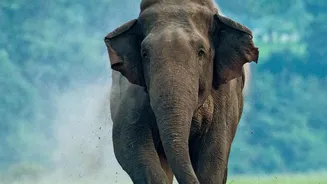
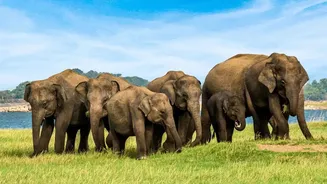
India's oldest national park offers a varied experience. While some zones like Jhirna and Dhela are open year-round, the park's most famous and picturesque zone, Dhikala, opens on November 15th. A trip in the latter half of November allows you to explore this core area, renowned for its vast grasslands and herds of elephants. Located in the Himalayan foothills, Corbett's landscape is different from the central Indian parks. The weather is gentle, and the Ramganga River is a magnet for wildlife. In addition to tigers and elephants, Corbett is a paradise for birdwatchers.
Kaziranga National Park, Assam
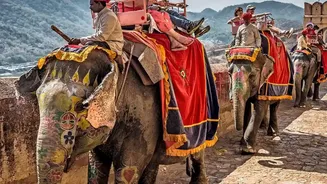
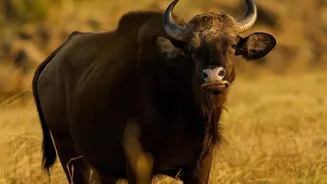
For a different wildlife experience, head east to Kaziranga, a UNESCO World Heritage Site. Famous for being the stronghold of the greater one-horned rhinoceros, the park usually reopens fully by November 1st after the Brahmaputra's monsoon floods subside. Jeep safaris typically resume in October, with elephant safaris often starting from November 1st. In November, the vast grasslands are a vibrant green, and you can see hundreds of rhinos, along with wild water buffalo, elephants, and swamp deer. The pleasant weather also makes it a prime month for spotting the park's abundant and diverse birdlife.