






More Than Just Building Muscle
For decades, strength training was stereotyped as something only for bodybuilders chasing bigger biceps. That perception has been completely dismantled. Today, the focus has shifted towards functional fitness—training that supports real-life movements
and improves overall health. People are embracing strength training not just for aesthetics, but for the ability to perform daily tasks with ease, from carrying groceries to playing with their children. It's now seen as a tool for a higher quality of life and greater independence, especially as we age.
The Science-Backed Benefits for Longevity
A wealth of research has highlighted the profound benefits of resistance training that go far beyond muscle growth. It's now recognized as one of the most powerful tools for healthy aging. Strength training boosts your metabolism by building more lean muscle, which burns more calories even at rest. It’s also crucial for bone health, as the stress from lifting sends signals to rebuild bones stronger, reducing the risk of osteoporosis. Furthermore, it helps manage blood sugar levels, improves insulin sensitivity, and lowers the risk of chronic diseases like type 2 diabetes and heart disease. Recent studies even link it to a lower risk of premature death and better brain health.
A Cultural Shift, Especially for Women
Perhaps the most significant change has been in the perception of women and weightlifting. The myth that lifting heavy weights makes women “bulky” is finally dying. For years, women's fitness was focused on aerobics and becoming smaller. Now, there’s a cultural shift away from “diet culture” towards “strength culture,” where capability is celebrated over thinness. Social media has played a huge role, amplifying female athletes and fitness influencers who portray muscle as both powerful and beautiful. This has normalized strength training for women, reframing it as a form of empowerment, confidence, and self-efficacy.
The Social Media and Accessibility Effect
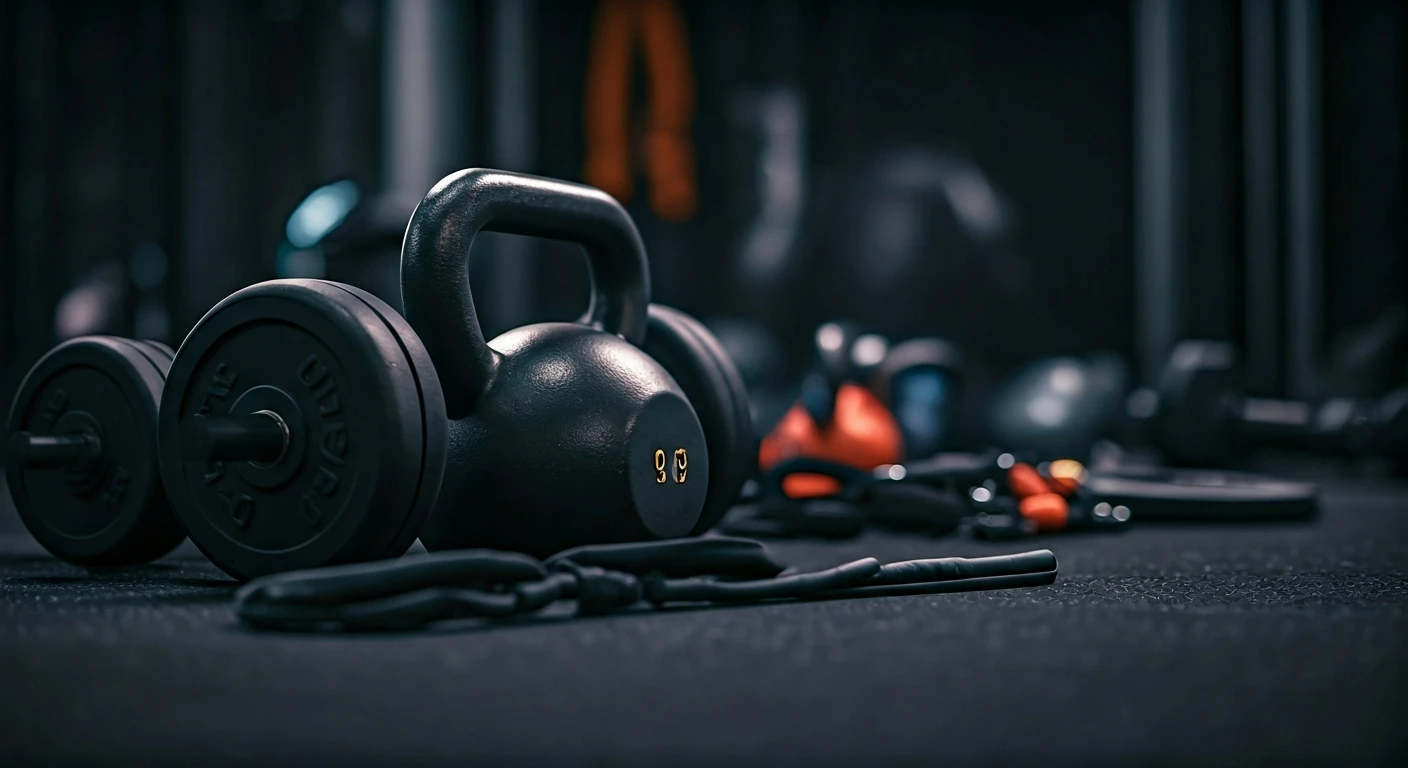
You can't discuss the rise of strength training without mentioning social media. Platforms like Instagram and TikTok have made fitness more accessible and community-driven than ever. Influencers share routines, offer tips, and build supportive online communities, making it easier for newcomers to feel motivated and less intimidated. Viral trends and challenges create excitement and engagement. This digital wave, combined with the post-pandemic boom in at-home fitness, means you no longer need a pricey gym membership. Bodyweight exercises, resistance bands, and kettlebells offer effective workouts from the comfort of your home, removing a major barrier to entry.