



The Antithesis of a Vacation
For generations, the American vacation was defined by action: seeing the sights, trying the restaurants, and filling every moment with activity. The goal was to return with stories and photos, proof of an adventure had. The calmcation turns this idea
on its head. It’s not about where you go, but how you are when you get there. At its core, a calmcation is a trip intentionally designed for rest, solitude, and mental decompression. The itinerary is intentionally blank. Instead of a checklist of landmarks, the goals are to read a book, sleep without an alarm, listen to the sounds of nature, and disconnect from the digital tethers of modern life. It’s a purposeful retreat from stimulation, a radical act of choosing stillness in a culture that glorifies the hustle.
A Cure for Digital Burnout
The rise of the calmcation isn't happening in a vacuum. It's a direct response to a crisis of burnout affecting young professionals. After years of navigating demanding careers, the pressure of remote work that blurred the lines between office and home, and the relentless hum of social media, many are finding that a traditional vacation no longer recharges them. In fact, the pressure to perform “vacation” perfectly can be just as exhausting as work itself. The constant pings, notifications, and expectation of being always-on have created a deep-seated yearning for a true off switch. The calmcation provides a sanctioned space for this digital detox. By choosing locations with spotty cell service and no Wi-Fi, travelers are removing the temptation to check email or scroll through feeds, forcing a confrontation with a quieter, more internal world.
Why the Northeast Woods?
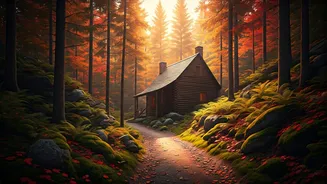
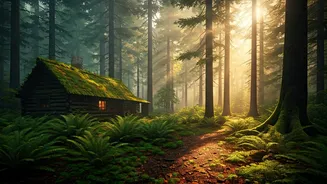
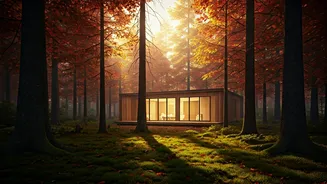
While you can take a calmcation anywhere, the secluded forests of the Northeast have become the archetype for this trend. For millions of professionals in bustling hubs like New York City, Boston, and Philadelphia, the deep woods of the Catskills, Berkshires, Vermont, and Maine are just a few hours’ drive away. This proximity makes a long weekend of total seclusion feasible without the stress of air travel. The region’s landscape is a key part of the appeal. Unlike the grand, sweeping vistas of the West, the Northeast offers an intimate, enveloping sense of quiet. The dense, old-growth forests, meandering streams, and moss-covered stones create a sound-dampening effect, fostering a feeling of being cocooned from the outside world. The distinct four seasons also provide a varied palette for tranquility, from the crisp silence of a snow-covered cabin in winter to the lush, green solitude of a summer hideaway.
Designing for Disconnection
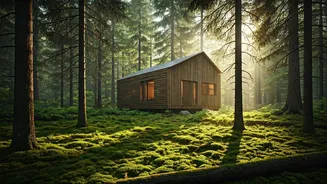
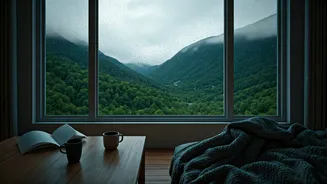
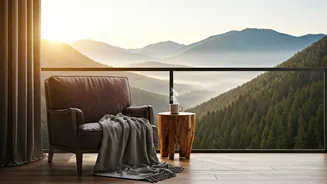
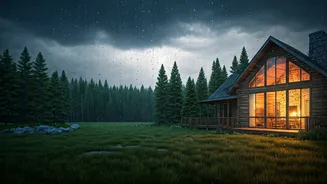
The accommodations catering to this trend are just as intentional as the trip itself. A new breed of design-forward, minimalist cabins and A-frames has emerged, offering comfort without clutter. These are not rustic, rough-it-out shacks. Think Scandinavian-inspired interiors, king-sized beds with high-end linens, and floor-to-ceiling windows that make the forest the main event. Amenities are curated for calm: a wood-burning stove instead of a television, a deep soaking tub with a view of the trees, a well-stocked library, and a pour-over coffee setup. Every detail is designed to slow the guest down and encourage analog activities. The most coveted feature, however, is what’s missing: noise, neighbors, and obligations. The luxury isn't opulence; it's isolation.