







The Forces Driving the Investment Boom
Several powerful factors are encouraging NRIs to invest back home. A significant driver is the favourable currency exchange rate; a stronger dollar, dirham, or pound gives overseas buyers more purchasing power in rupees, making Indian property more affordable.
This financial advantage is coupled with India's strong economic growth and the real estate sector's resilience, which presents a stable alternative to volatile global markets. Furthermore, regulatory reforms like the Real Estate (Regulation and Development) Act (RERA) have increased transparency and accountability, boosting investor confidence. For many, the investment is also emotional—a way to own a tangible connection to their homeland, a future retirement spot, or a home for family members.
Mapping the Investment Hotspots
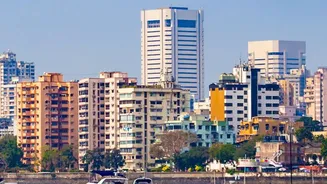
NRI capital is flowing into specific, high-growth urban centres. The major metropolitan cities remain top choices, with Bengaluru, Mumbai, Pune, Gurugram, and Hyderabad leading the pack. These Tier-I cities are attractive due to their robust job markets, particularly in IT and finance, and advanced infrastructure. Bengaluru is favoured for its high rental yields in tech corridors, while Mumbai is a magnet for premium, wealth-preserving assets. Gurugram has also emerged as a top destination due to major infrastructure upgrades like the Dwarka Expressway and a strong supply of branded luxury homes that appeal to NRIs. Beyond the metros, a new trend is the growing interest in Tier-II cities like Lucknow, Jaipur, and Kochi, which offer a combination of affordability, cultural connection, and strong growth potential.
Impact on Prices and Market Demand
The influx of NRI investment is having a noticeable effect on the Indian housing market, particularly in the premium and luxury segments. Industry reports suggest that NRIs now account for nearly 20% of total property purchases, a figure that can climb to over 30% for high-end projects by certain developers. This concentrated demand for premium properties in specific micro-markets—like Whitefield in Bengaluru or Golf Course Road in Gurugram—is contributing to price appreciation in those areas. While NRI investment doesn't heavily impact the affordable housing segment, it sets new benchmarks for quality and amenities, pushing developers to offer more gated communities, wellness-centric features, and professionally managed properties. This demand is projected to remain strong, with some forecasts suggesting NRIs could contribute up to 25% of total real estate investment by 2026.
The Shifting Profile of an NRI Buyer
The typical NRI buyer today is not just purchasing a property for sentimental reasons but is making a calculated investment. They are looking for more than just a place to live; they want assets that promise rental income and long-term capital appreciation. This has led to a preference for 3BHK and 4BHK apartments in well-connected, amenity-rich gated communities. There's also a growing interest in ready-to-move-in properties to avoid construction delays and start earning rental income sooner. Beyond traditional residential flats, some NRIs are diversifying into commercial properties and alternative investment models like Real Estate Investment Trusts (REITs), reflecting a more sophisticated approach to building a property portfolio in India. This shift marks a move from a purely emotional purchase to real estate as a core component of a global investment strategy.