


The New Calcium Standard for Indians
Recent dietary guidelines from the Indian Council of Medical Research (ICMR) have updated the nation's nutritional requirements, placing a significant emphasis on calcium. The Recommended Dietary Allowance (RDA) for adult men and women has been increased
to 1000 mg per day. This is a substantial revision from earlier recommendations and underscores a growing awareness of widespread deficiencies. For post-menopausal women and lactating mothers, the recommendation is even higher at 1200 mg per day to combat bone density loss and support infant health. This guidance signals a move away from relying solely on supplements, instead encouraging a food-first approach to meet these crucial targets. The focus is on integrating nutrient-dense, locally available, and affordable foods into the daily Indian diet.
Ragi: The Mighty Millet's Moment
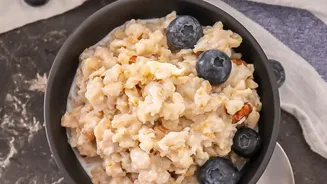
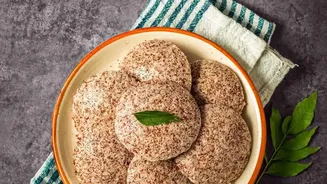
Once a humble staple, ragi (finger millet) is now being celebrated as a calcium superstar. Per 100 grams, ragi contains approximately 344 mg of calcium, which is nearly three times the amount found in the same quantity of milk. This makes it one of the richest plant-based sources of calcium available. While it's true that ragi contains phytates, compounds that can slightly hinder calcium absorption, traditional preparation methods like soaking, sprouting, or fermenting can significantly reduce these anti-nutrients and improve bioavailability. Incorporating ragi into your diet is simple — it can be used to make rotis, dosas, porridge (kanji), or even baked goods, offering a gluten-free and nutrient-packed alternative to refined grains.
Dairy: The Timeless Calcium Classic
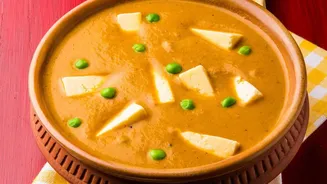
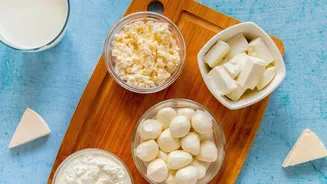
Dairy products like milk, curd (yogurt), and paneer remain a cornerstone of calcium intake in the Indian diet, and for good reason. A 100 ml glass of milk provides around 110-120 mg of highly bioavailable calcium, meaning the body can absorb and use it very efficiently. Curd offers the added benefit of probiotics, which support gut health, while paneer is a concentrated source of both calcium and protein. The ICMR-NIN dietary guidelines continue to recommend milk and dairy as part of a balanced diet. For those who are lactose intolerant, fermented options like curd are often easier to digest. The combination of calcium with vitamin D (often fortified in milk) and protein makes dairy an effective food for building and maintaining bone density throughout life.
Soy and Legumes: The Plant-Based Powerhouses
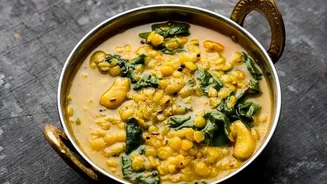
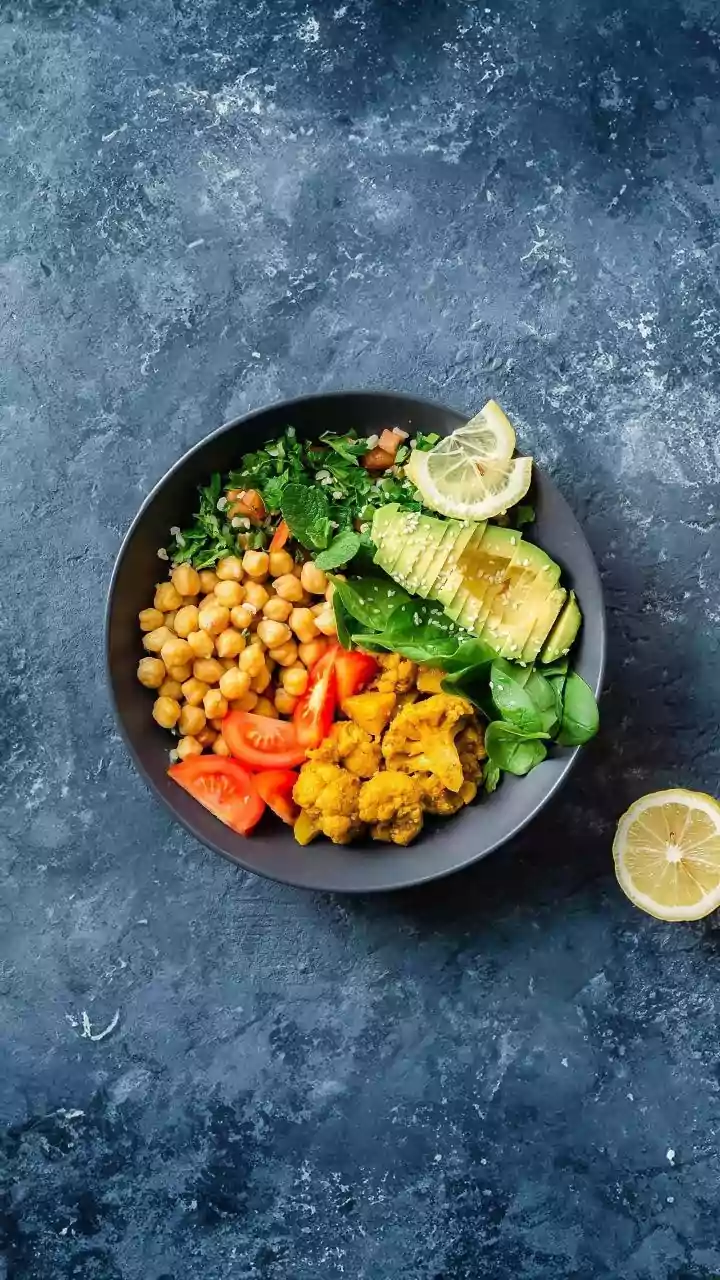
For those following a vegan diet or looking for non-dairy options, soy products are an excellent source of calcium. Tofu, especially when set with calcium sulfate, can provide a substantial amount of this mineral, with some varieties offering up to 750 mg per 113-gram serving. Soy milk is another versatile option, often fortified to match or exceed the calcium content of dairy milk. Beyond soy, other legumes like chickpeas (kabuli chana) contribute to daily calcium intake, with a cup of cooked chickpeas containing about 80 mg. These plant-based foods offer a complete package of protein, fibre, and essential minerals, making them a crucial part of a well-rounded, bone-healthy diet.
Go Green: Calcium from Leafy Vegetables
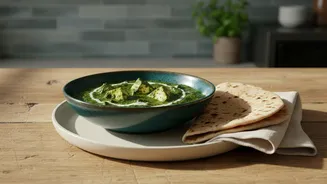
Indian cuisine is rich with a diverse array of leafy green vegetables (saag), many of which are excellent sources of calcium. Amaranth leaves (chaulai), for instance, are particularly noteworthy, providing around 276 mg of calcium per cooked cup and, crucially, being low in oxalates—compounds that can block calcium absorption. While spinach (palak) is also rich in calcium, it is high in oxalates, which makes its calcium less available to the body. Other valuable greens include moringa (drumstick leaves), fenugreek (methi) leaves, and turnip greens. Cooking these vegetables and adding a splash of lemon juice can help increase the amount of calcium your body absorbs.