


Understanding the Monsoon Risks
The joy of watching your dog splash in a puddle can be quickly overshadowed by the potential dangers lurking within. Monsoon brings more than just mud. Stagnant water is a breeding ground for harmful bacteria, including leptospirosis, a serious disease
that can be transmitted to both dogs and humans. The constant dampness also creates the perfect environment for painful fungal infections, like yeast dermatitis, to thrive between your dog’s paw pads. Furthermore, dirty water can hide sharp objects—broken glass, metal shards, or sharp stones—that can cause cuts and wounds, which are then highly susceptible to infection from the surrounding filth.
The Pre-Walk Protective Barrier
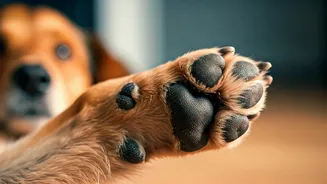
Prevention starts before you even step out the door. Consider applying a protective paw balm or wax to your dog's pads. These products create a semi-permeable barrier that helps shield the skin from excessive moisture, allergens, and irritants. It’s like a raincoat for their feet. This thin layer can prevent the paw pads from becoming overly soft and prone to injury. When choosing a product, look for one with natural, dog-safe ingredients like beeswax, shea butter, and coconut oil. A quick application before each walk is a simple proactive step that can make a big difference, reducing the amount of grime and moisture that seeps into the skin.
Mastering the Post-Walk Clean
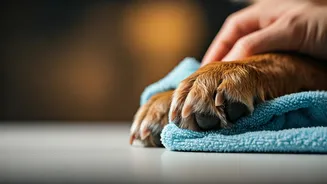
This is the most crucial step in your monsoon paw care routine. As soon as you return, make cleaning your dog's paws the immediate priority. Keep a designated cleaning station near your entrance with a towel, a basin of lukewarm water, and a soft cloth. Gently wash each paw, ensuring you get rid of all the mud and debris. It's vital to clean between the toes and around the nails, as this is where moisture and dirt love to hide. For most walks, plain water is sufficient. If paws are exceptionally dirty, you can use a mild, vet-approved pet shampoo. Never use human soaps, hand sanitisers, or harsh disinfectants like Dettol, as these are toxic to dogs and can cause severe skin irritation.
The Importance of Drying Thoroughly
A quick wipe with a towel is not enough. Fungi and bacteria flourish in damp, warm environments, and the space between your dog's paw pads is prime real estate. After washing, take the time to dry each paw meticulously with a clean, absorbent towel. Pay special attention to the areas between the toes. You can gently part the fur to ensure the skin underneath is completely dry. Some owners of long-haired breeds even use a hairdryer on a low-heat, low-power setting, held at a safe distance, to ensure maximum dryness. This step is non-negotiable for preventing fungal infections and that tell-tale 'Frito feet' smell.
Perform Daily Paw Inspections
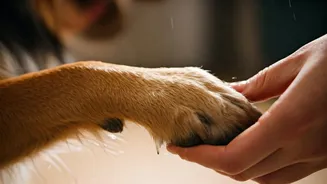
Make it a habit to inspect your dog’s paws daily, even on days you don’t go for a walk. This is especially important during the monsoon. Gently handle each paw and look for any signs of trouble. Check for redness, swelling, or any unusual discharge between the pads. Look for cuts, cracks, or embedded objects. Is your dog excessively licking or chewing at their paws? This is often the first sign of irritation or infection. Catching these issues early can prevent a minor problem from escalating into a painful and expensive veterinary visit. This daily check also gets your dog comfortable with having their paws handled, making cleaning and nail trims much easier.