







An Ancient Secret Goes Viral
Before it flooded your Instagram feed, rice water was a cherished beauty ritual across Asia for centuries. In Japan, court ladies of the Heian Period (794 to 1185 AD) were known to comb their floor-length hair with it. Most famously, the Yao women of Huangluo
village in China, who are in the Guinness World Records for their astonishingly long, strong, and grey-free hair, attribute their hair health to washing it with fermented rice water. This isn't just a trend; it's a tradition rooted in the simple wisdom of using every part of a staple food. Today, this low-cost, all-natural ingredient is being rediscovered by a new generation looking for effective and sustainable beauty solutions.
The Science Behind the Shine
While centuries of use provide strong anecdotal proof, modern science offers some clues as to why rice water works. The milky liquid is packed with nutrients that are beneficial for hair and skin. It contains amino acids, the building blocks of protein, which help strengthen hair roots and repair damage. It's also rich in vitamins B and E, minerals, and antioxidants like ferulic acid, which helps protect against environmental damage. The star ingredient is arguably inositol, a carbohydrate that is believed to penetrate damaged hair and repair it from within. While large-scale clinical trials are limited, the properties of its individual components support the claims made by its users for generations.
For Stronger, Silkier Hair
When used as a hair rinse, rice water can offer a host of benefits. The inositol stays in the hair even after rinsing, offering continued protection and repair. Users report that regular use makes their hair feel stronger, smoother, and easier to detangle, which reduces breakage. The amino acids help fortify the hair shaft, potentially aiding in length retention and promoting a healthier growth environment. It can also increase elasticity and add a noticeable gloss and shine, giving your hair that coveted healthy look without relying on heavy silicones found in many commercial products.
For Glowing, Soothed Skin
The benefits aren't just limited to your locks. On skin, rice water acts as a gentle, soothing agent. Its starchy components are said to help tighten and tone the skin, much like a mild astringent. It has been traditionally used to soothe inflammation, rashes, and skin conditions like eczema. Some studies suggest that rice water can help repair and maintain the skin's natural barrier, keeping it hydrated and protected. The antioxidants present may also help in brightening the complexion and reducing the appearance of pores over time. Applied with a cotton pad as a toner, it’s a refreshing step in any skincare routine.
How to Make Your Own
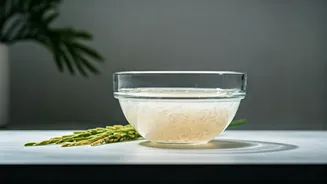
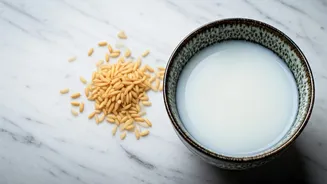
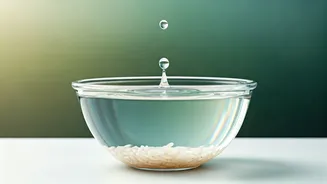
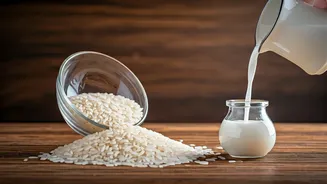
Making your own rice water is incredibly simple. There are two popular methods: 1. The Quick Soak Method: Take half a cup of uncooked rice (any kind will do, but white or jasmine are common). Rinse it once to remove any dirt. Then, place the rinsed rice in a bowl with two to three cups of water. Let it soak for at least 30 minutes, swirling it around occasionally until the water turns cloudy. Strain the water into a clean jar, and it's ready to use. 2. The Fermented Method: This is the traditional method used by the Yao women. Prepare the rice water as above but let it sit at room temperature for 12 to 24 hours. The fermentation process lowers the pH of the water, bringing it closer to hair’s natural pH, and increases the concentration of vitamins and antioxidants. Once it has a slightly sour smell, you can boil it briefly to stop fermentation, let it cool, and then use it.
How to Use It Effectively
For hair, use rice water after shampooing and conditioning. Pour it over your hair, making sure to saturate the strands and massage it into your scalp. Leave it in for 15-20 minutes, then rinse thoroughly with cool water. For skin, decant the rice water into a spray bottle for a facial mist or apply it with a cotton pad as a toner after cleansing your face. Start by using it once or twice a week to see how your hair and skin respond. Always do a patch test on a small area of your skin first to check for any irritation. You can store your fresh rice water in the refrigerator for up to a week.