
From Trash to Treasure
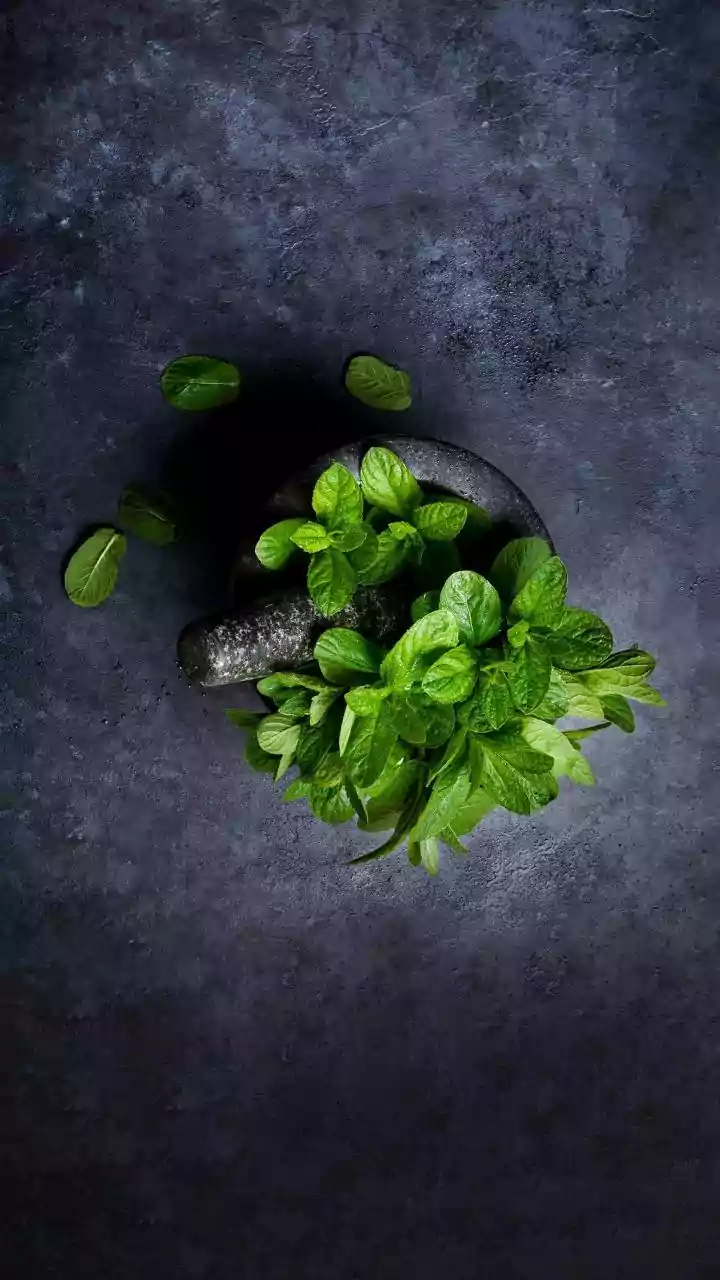
In the quest for a zero-waste kitchen, herb stems are often overlooked. We are trained by recipes to meticulously pick the leaves and discard the rest. However, the stems of soft herbs like coriander and mint are packed with flavour and aroma, often more
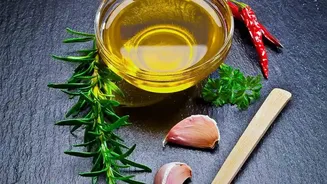
potent than the leaves themselves. By infusing them into oil, you not only extract their essence but also create a versatile, gourmet ingredient that costs next to nothing. This simple act transforms a common kitchen scrap into a flavour-booster, saving you money and reducing your environmental footprint. It's a sustainable practice that makes your cooking more vibrant and your grocery budget go further.
Choosing Your Ingredients
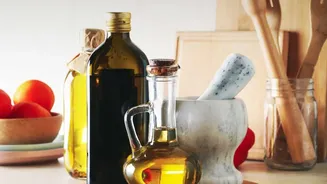
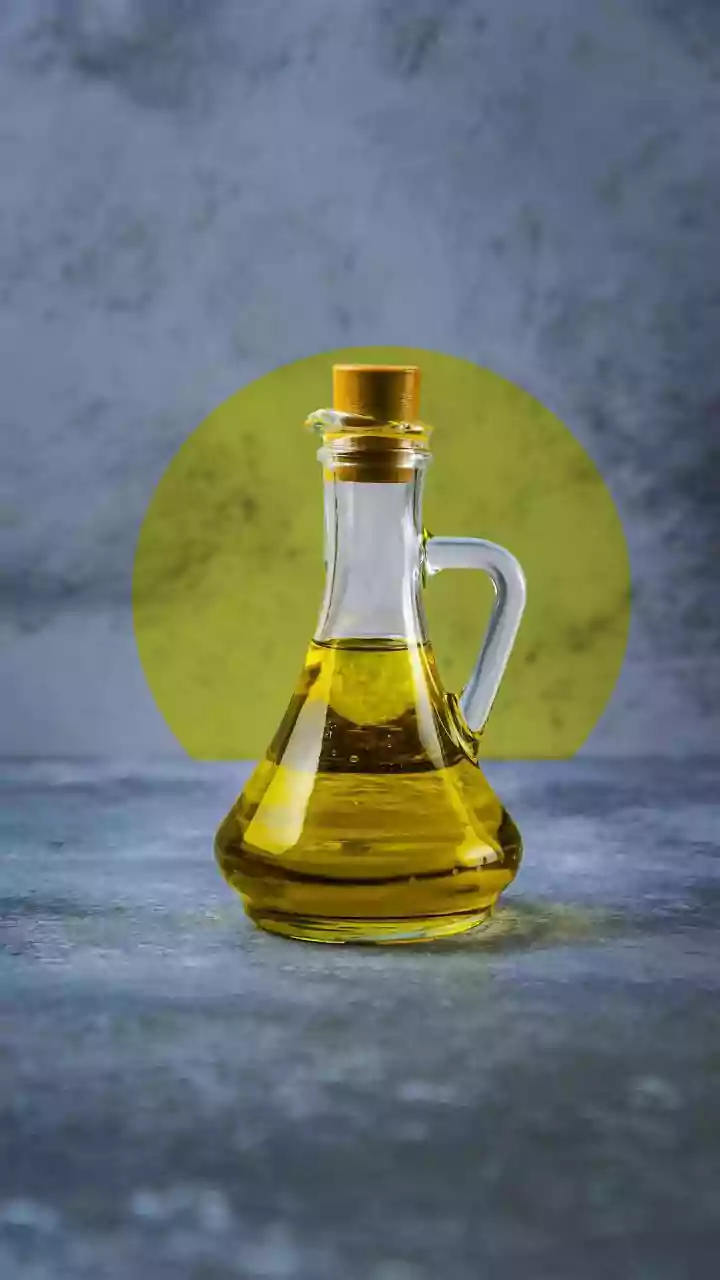
The success of your infused oil depends on two key components: the stems and the oil. For coriander and mint, you want to use the soft, tender stems. They are full of the bright, aromatic compounds you want to capture. Before you begin, wash the stems thoroughly and, most importantly, dry them completely. Any moisture left on the herbs can create an environment for bacteria to grow. As for the oil, choose a neutral-flavoured one that won’t overpower the delicate herbs. Good options include sunflower, grapeseed, or a light olive oil. Extra virgin olive oil can be used, but its strong flavour might compete with the mint or coriander.
A Crucial Note on Food Safety
Before you begin, it’s vital to understand the safety precautions. Infusing oil with fresh, low-acid ingredients like herbs creates an oxygen-free environment where Clostridium botulinum bacteria can thrive if not handled properly. This can lead to botulism, a serious illness. To make your oils safely, you must either use them quickly or take steps to inhibit bacterial growth. The simplest and safest method for home cooks is to make small batches that are refrigerated and used within a few days. Always start with sterilized glass bottles or jars, which can be achieved by boiling them for ten minutes and allowing them to air dry.
The Gentle Heat Infusion Method
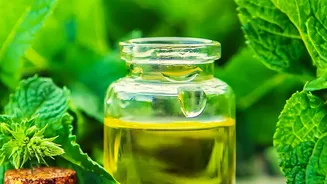
This method is quick and yields a flavourful oil in under an hour. Lightly bruise your clean, dry coriander or mint stems to help release their essential oils. You can do this by gently crushing them with the back of a knife. Place the stems in a small saucepan and cover them with your chosen oil. Heat the oil over a very low flame until it is warm, but not hot or simmering—around 65°C is ideal. You should see tiny bubbles begin to form. Turn off the heat and let the stems steep in the warm oil until it cools completely, which could take about an hour. This gentle heating process helps to draw out the flavours without cooking them, which would alter their fresh taste.
Straining and Storing Your Oil
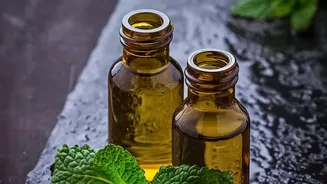
Once your oil has completely cooled, it’s time to strain out the stems. Use a fine-mesh sieve or a piece of cheesecloth to pour the oil into your sterilized bottle or jar. This ensures you have a clear oil free of any plant matter. For oils made with fresh, non-acidified herbs, proper storage is non-negotiable. The oil must be stored in the refrigerator and used within two to four days to remain safe. For longer storage, you can freeze the oil in an ice cube tray. The cold temperature of the refrigerator slows down any potential bacterial growth, keeping your delicious creation safe to enjoy.
How to Use Your Homemade Oils
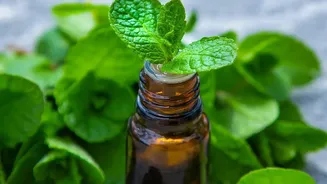
Now for the fun part. Your coriander-infused oil is perfect for adding a final flourish to a wide range of dishes. Drizzle it over roasted vegetables, grilled chicken, or lentil soup for a burst of fresh, citrusy flavour. It also makes a fantastic base for salad dressings and marinades. The mint-infused oil is equally versatile. Use it to dress a simple fruit salad, drizzle over grilled lamb chops, or add a refreshing note to grain salads like tabbouleh. You can even add a few drops to a yogurt-based dip or blend it into a smoothie. These oils are best used as finishing oils, added just before serving, to preserve their delicate aromas.