

Hanle, Ladakh: India's Dark Sky Sanctuary
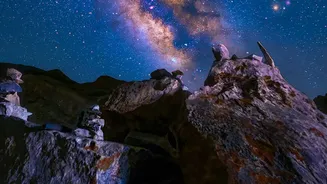
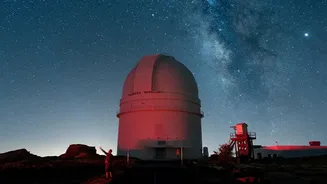
Tucked away in the Changthang Wildlife Sanctuary, Hanle is officially recognised as India's first Dark Sky Reserve. At an altitude of over 4,500 metres, this high-altitude desert offers exceptionally clear skies, minimal light pollution, and dry weather,
creating perfect conditions for stargazing. The area boasts a Bortle Class 1 rating, which is the darkest possible classification for a night sky. Hanle is home to the Indian Astronomical Observatory, one of the world's highest. Local villagers have been trained as astronomy guides, helping visitors explore the cosmos through telescopes and making this a premier destination for serious astrotourists. The best time to visit is between April and September when the skies are driest and most transparent.
Spiti Valley, Himachal Pradesh: A High-Altitude Desert
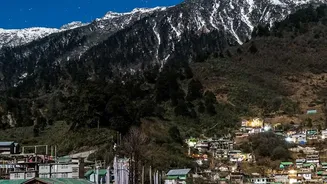
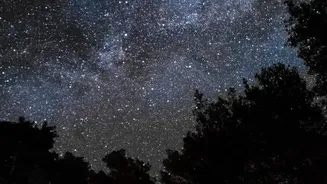
Like Ladakh, Spiti Valley is a cold desert renowned for its raw, mountainous beauty and pristine night skies. Its high elevation, averaging around 12,500 feet, and near-zero light pollution make it a favourite for astrophotographers and sky-watchers. Villages like Kaza, Kibber, and Langza offer some of the best viewing spots, where on a clear, moonless night, the Milky Way can be seen with the naked eye. The ideal time for stargazing in Spiti is from May to October, when the roads are accessible and the skies are generally cloud-free. For those chasing the galactic core, the months of May and June are particularly recommended.
Rann of Kutch, Gujarat: The White Desert
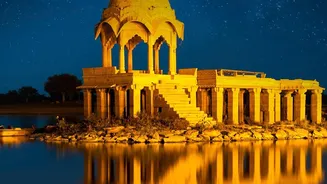
The vast, flat expanse of the Great Rann of Kutch offers a unique stargazing experience. Its remote location, far from major cities, results in minimal light pollution and a horizon-to-horizon view of the cosmos. During the Rann Utsav, which typically runs from November to February, the dry winter air ensures crystal-clear skies. On new moon nights, the star-filled sky is breathtaking, while on full moon nights, the moonlight reflecting off the white salt desert creates a surreal, otherworldly glow. The silence of the desert, combined with the sheer number of visible stars, makes it a deeply moving experience.
Coorg, Karnataka: Coffee Plantations and Cosmos
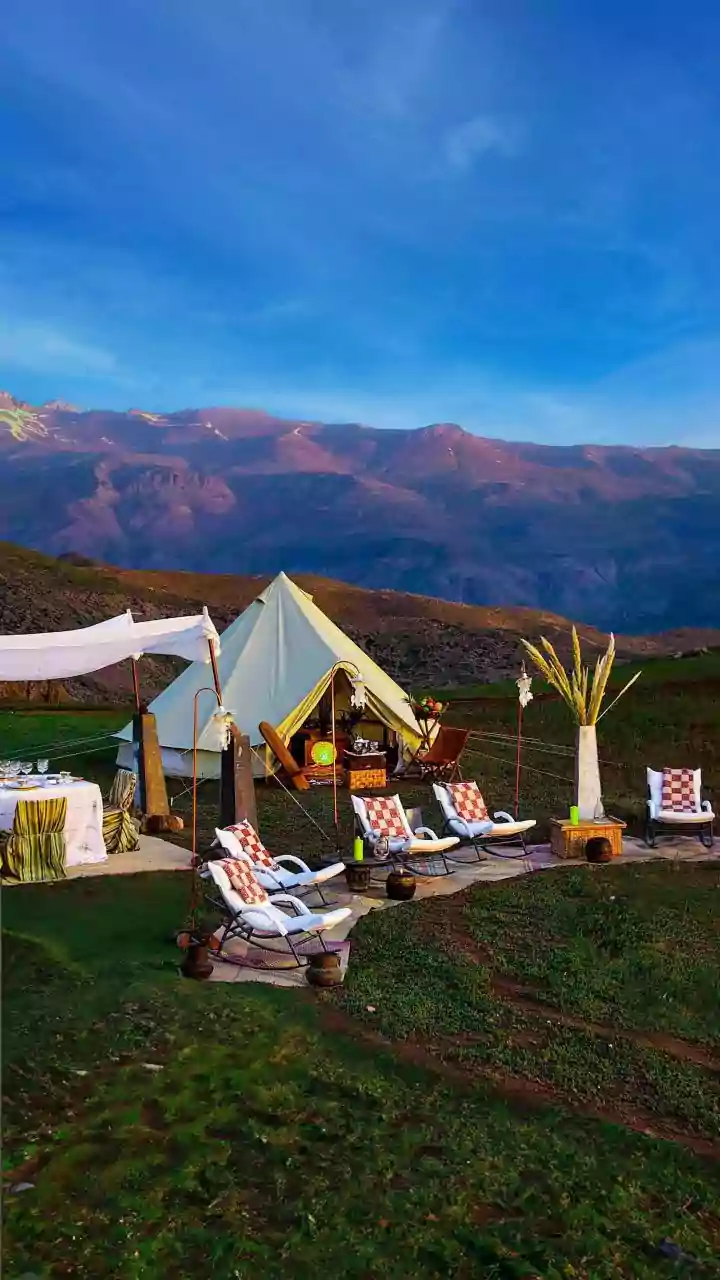
Known for its lush coffee plantations and misty hills, Coorg also offers surprisingly dark skies for a South Indian destination. Its location in the Western Ghats provides high altitude and clean air, away from the glare of urban centres. The region has become a hub for astro-tourism, with private observatories like Starscapes offering guided sessions with professional telescopes. Visitors can observe planets, constellations, and even the craters of the moon. Camping in remote plantations near peaks like Tadiandamol provides an immersive experience, allowing you to sleep under a blanket of stars.
Neil Island, Andaman and Nicobar: Coastal Serenity
For those seeking a coastal stargazing destination, Neil Island (Shaheed Dweep) in the Andamans is an excellent choice. As a less commercialised island, it has minimal light pollution, allowing the night sky to shine in its full glory. The wide, open horizons at beaches like Laxmanpur and Sitapur provide an uninterrupted celestial theatre. The best time to visit is between November and April, during the dry season, when the skies are clear. The gentle sound of the waves combined with the star-studded sky creates a tranquil and magical atmosphere. On some nights, you may even witness bioluminescence in the water, adding to the spectacle.