







A Tradition Steeped in Altitude
In the stark, stunning landscapes of Ladakh, life is shaped by the elements. The traditional food and medicine systems are a direct response to the cold, arid climate and high altitude. Central to this is the ancient Sowa-Rigpa system of medicine, a holistic
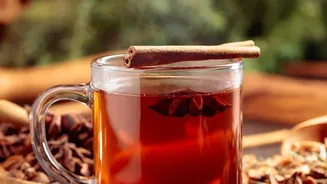
practice that, much like Ayurveda, emphasizes balance within the body. Herbal teas and brews are a cornerstone of this tradition, used not just for warmth but as daily tonics to support bodily functions, especially digestion. In a land where agriculture is limited, wild plants that have adapted to the harsh conditions become a vital source of nutrition and therapeutic compounds. These brews are more than just beverages; they are a living library of ecological and medicinal knowledge passed down through generations.
The Mountain’s Pharmacy: Key Botanicals
The slopes and valleys of Ladakh are a natural pharmacy for those who know where to look. Several wild herbs are traditionally gathered for their believed benefits in promoting digestive wellness. Wild Caraway (Carum carvi), or 'Kosnyot', is a prominent ingredient, traditionally used for its carminative properties to help relieve gas, bloating, and cramps. Another key botanical is Wild Mint (Mentha longifolia), known locally as 'Phololing'. Like its common cousin, it is traditionally valued for its ability to soothe an upset stomach and ease indigestion. Himalayan Pepper (Zanthoxylum armatum), also called 'Timur', adds a unique, slightly numbing spice to brews and is traditionally considered a digestive stimulant that helps with abdominal pain. Stinging Nettle (Urtica hyperborea), or 'Zatsot', though it requires careful handling, is also used in traditional soups and teas, valued for its rich nutritional profile.
More Than Just Ingredients
The magic of these Ladakhi brews lies not only in the individual herbs but in their synergy. Traditional preparations often involve a blend of several botanicals, creating a complex flavour profile and a multi-pronged approach to wellness. The preparation is simple yet intentional. Dried herbs and spices are often simmered gently in water, allowing their aromatic oils and beneficial compounds to infuse the liquid. Some brews might be mixed into 'gur gur cha', the famous salted butter tea, which provides much-needed calories and warmth. Others are consumed as clear infusions, sometimes sweetened with a touch of honey or apricot. This practice is rooted in the Sowa-Rigpa principle of balancing the body's essential energies. A warm, spiced tea is seen as a way to support the 'digestive fire', ensuring that food is processed efficiently and discomfort is kept at bay.
Ancient Wisdom in a Modern World
While these herbal brews have been trusted for centuries, modern science is beginning to explore the properties of these high-altitude plants. Studies have noted that plants that survive in extreme environments often produce high levels of protective compounds, such as antioxidants. Research into individual ingredients like Caraway (Carum carvi) has acknowledged its traditional use for relieving indigestion and bloating. Similarly, various species of mint are widely recognized for their soothing effects on the digestive tract. Zanthoxylum armatum is noted in scientific literature for its traditional use as a digestive aid and for stomach pain. While this research provides interesting parallels, the true value of these Ladakhi brews lies in their holistic and time-tested role within the culture, where they are seen as a gentle, natural way to maintain balance and well-being.