

From Minimalist to Mindful
For years, modern Indian interior design leaned into a clean, almost clinical minimalism. While sleek and functional, this often resulted in spaces that felt cold or disconnected. Today, there's a clear shift towards what could be called 'soft minimalism'.
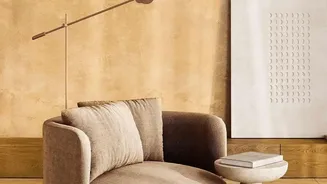
Homeowners are seeking environments that feel calming, grounded, and personal. This has sparked a renewed interest in materials that are not just seen but felt. It's a move away from the purely visual and a step towards creating a sensory experience at home, where textures invite touch and create a sense of comfort and peace.
The Earthy Palette of Materials
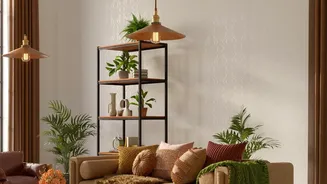
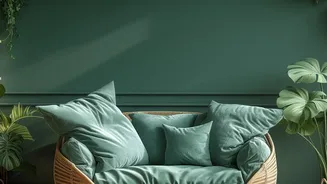
The stars of this textural transformation are materials drawn directly from nature. Rattan and cane, once relegated to balconies, are now celebrated indoors, forming elegant chairs, bedheads, and cabinet fronts that feel light and airy. Jute and sisal are grounding living spaces in the form of durable, rustic rugs. In decor, terracotta is making a huge comeback, not just in pots but in artistic accents and tiles, lending a distinctly earthy warmth. For textiles, the focus is on breathable, natural fabrics like raw cotton and linen for everything from curtains to cushion covers, replacing shiny synthetics with a more relaxed, tactile feel.
A Modern Nod to Indian Heritage
This trend is not entirely new; it's a rediscovery of India's rich craft traditions. Traditional Indian architecture has always incorporated natural elements, from courtyards that invite light and air to the use of local stone and wood. Today's designers are reinterpreting this heritage for contemporary life. Handwoven textiles, block prints, and handcrafted wooden furniture are being integrated into modern layouts. This blend allows homeowners to celebrate cultural identity and support local artisans, creating spaces that feel both globally current and authentically Indian.
The Rise of the Urban Sanctuary
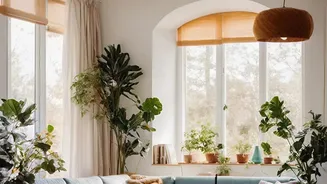
A key driver behind the texture trend is the concept of biophilic design—the idea that humans have an innate need to connect with nature. In increasingly dense and screen-heavy urban environments, creating a nature-inspired sanctuary at home has become a priority for well-being. Natural textures and materials help achieve this by bringing the outdoors in. The grain of a wooden table, the weave of a cane chair, or the presence of indoor plants can lower stress and create a calmer atmosphere. It’s about making our homes a place to recharge and reconnect with the natural world, even in the heart of the city.
How to Weave Textures into Your Home
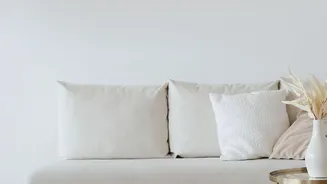
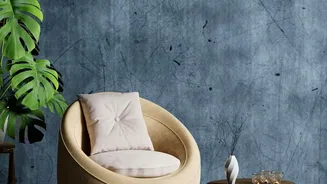
Embracing this trend doesn't require a complete overhaul. Start small by introducing a chunky jute rug to your living room or swapping synthetic cushion covers for linen or handwoven cotton ones. Add a single statement piece like a rattan accent chair or a large terracotta vase. The key is to layer different textures. Pair a smooth wooden coffee table with a rough-textured rug and soft fabric sofas. A neutral colour palette of beige, olive, and warm whites can provide the perfect backdrop, allowing the natural materials to stand out and create a space that feels both sophisticated and serene.