








The Rise of the Digital Money Audit
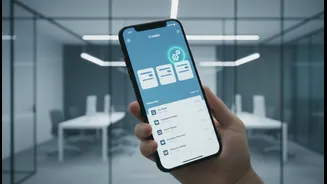
For many young Indians, the entire financial world exists on a six-inch screen. With near-universal adoption of UPI among Gen Z, every coffee, cab ride, and online purchase creates a digital footprint. Unlike the paper receipts or vague bank statements
of the past, digital wallets and UPI apps offer a real-time, itemised ledger of spending. This has given rise to a new habit: the 'digital wallet audit'. This isn't a formal process, but a regular, informal review of spending patterns. Many in Gen Z, who are noted for being more financially aware than previous generations, are using these built-in transaction histories to understand exactly where their money is going. This newfound clarity is the first step toward more intentional financial management.
From Awareness to Annoyance
The problem with seeing every expense so clearly is that it also highlights financial leaks and inconsistencies. A wallet audit might reveal that multiple small, impulsive purchases add up to a significant sum, or that recurring monthly payments for subscriptions—from OTT platforms to fitness apps—are more numerous than remembered. This constant tracking can lead to decision fatigue. Furthermore, the audit exposes the manual effort required to manage these recurring payments and the potential for missed due dates, which can result in late fees or service interruptions. For a generation that values efficiency and seamless digital experiences, these manual touchpoints and financial surprises become a source of friction and anxiety.
Enter UPI Auto-Debit: The 'Set and Forget' Solution
This is where UPI AutoPay, or auto-debit, comes in as a powerful tool. Developed by the NPCI, this feature allows users to set up automated recurring payments for a wide range of expenses, including mobile bills, EMIs, insurance premiums, and various subscriptions. Instead of manually authorising each payment every month, a user creates a one-time mandate specifying the amount, frequency, and duration. The payment is then automatically debited from their linked bank account on the scheduled date. This system transforms chaotic, manual bill payments into a predictable, automated process. It addresses the exact pain points identified during the digital wallet audit: the mental load of remembering due dates and the risk of forgetting.
Connecting the Dots: From Insight to Automation
The link between auditing and automating is psychological. The wallet audit provides the 'what' and 'why' of spending, while automation provides the 'how' for managing it better. After reviewing their spending, Gen Z users can identify all their fixed, recurring expenses. By activating UPI auto-debits for these bills, they effectively put their budget on autopilot. This act of automation achieves two key goals for this financially-conscious generation. First, it ensures that essential payments are never missed, promoting financial discipline and protecting their credit health. Second, by automating the 'needs', it clarifies how much discretionary income is truly available for 'wants'. This creates a structured budget without the need for constant manual intervention, reducing financial stress and freeing up mental energy.
A New Chapter in Financial Wellness
This trend signifies a deeper shift in how young Indians approach personal finance. It's a move away from reactive spending towards proactive, systems-based money management. Gen Z is using the transparency of digital payments to gain insights and then leveraging automation tools like UPI AutoPay to act on those insights. This combination reflects a desire for control, efficiency, and financial independence. While the convenience of UPI can sometimes encourage impulse spending, using its advanced features for automation shows a maturing financial mindset. It's less about simply spending money digitally and more about managing it intelligently within the digital ecosystem they grew up in. This behavioural pattern points towards a future where financial health is maintained not through constant manual effort, but through smart, intentional automation.