




An Edible Calendar
Long before 'farm-to-table' became a global trend, Indian culinary traditions were intrinsically linked to the agricultural calendar. The concept of eating seasonally is a cornerstone of this food philosophy, especially visible during the winter months.
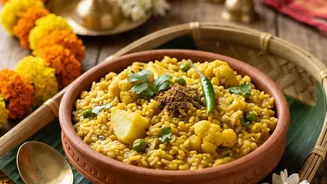
Traditional wisdom, often aligned with Ayurvedic principles, suggests that nature provides exactly what the body needs for each season. Winter is considered a time when digestive strength is at its peak, allowing for richer, denser foods. This is why ingredients like millets, ghee, jaggery, and an array of root vegetables and leafy greens become staples, providing the necessary warmth and energy to combat the cold. These recipes aren’t just about taste; they are a practical and delicious reflection of what local farms are harvesting.
The Green Heart of Winter
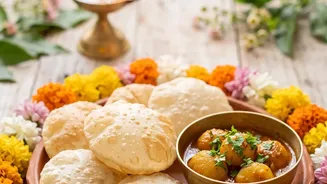
Winter in North India is synonymous with lush fields of mustard greens, or 'sarson'. This gives rise to one of the region's most iconic dishes: Sarson ka Saag. The pungent, robust flavour of mustard leaves, which are only available during the colder months, defines this dish. Traditionally, the sharpness of sarson is balanced with milder greens like spinach (palak) or bathua (chenopodium), which also peak in winter. Slow-cooked for hours and served with makki ki roti (a flatbread made from seasonal maize), it's a meal that celebrates the winter harvest of Punjab. This direct demand for mustard greens provides a crucial income stream for farmers during the season.
The Sweetness of the Soil
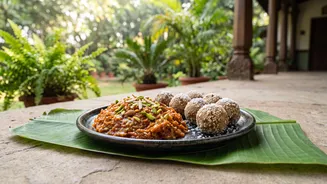
Winter is also the season for root vegetables, which form the base of many beloved recipes. The star of the winter dessert menu is undoubtedly Gajar ka Halwa. This rich pudding is made from a specific type of sweet, juicy red carrot that appears in markets only during winter. Their natural sweetness and vibrant colour make them perfect for this slow-cooked delicacy. Similarly, the Gujarati specialty, Undhiyu, is a complex, one-pot dish that is a true ode to winter produce. It features a medley of seasonal vegetables like surti papdi (flat beans), purple yam, sweet potatoes, and baby eggplants, all of which are harvested in the winter. Preparing Undhiyu is a communal tradition, often made in large batches for festivals like Makar Sankranti, reinforcing its connection to the season's harvest cycle.
A Direct Line to the Farmer
Choosing to cook and eat these traditional dishes is a powerful act of support for local agriculture. When urban and rural communities create a demand for seasonal produce like bajra, radish, or fresh pigeon peas, they are directly fuelling the local farm economy. This reliance on seasonal ingredients ensures that farmers have a ready market for their crops, bypassing long supply chains and middlemen. In a world increasingly dominated by monocropping and year-round availability of a few select vegetables, embracing seasonal eating helps preserve agricultural biodiversity. It encourages farmers to continue cultivating indigenous and regional varieties that are perfectly adapted to the local climate, from the millets of arid Rajasthan to the winter greens of the Gangetic plains.
Nutrition That Follows the Sun
The wisdom of eating seasonally is also backed by modern science. Produce that is picked at its peak of ripeness is more nutrient-dense. Winter carrots, for instance, are rich in beta-carotene and Vitamin A, which are believed to boost immunity and protect the skin from harsh winter conditions. Leafy greens like mustard and spinach are packed with vitamins and minerals that help the body stay robust during a season when illnesses are more common. By aligning our diets with the natural rhythms of agriculture, we not only get food that is more flavourful and affordable but also food that is nutritionally superior and perfectly suited to the body's seasonal needs.