





It’s a frustratingly common experience: you buy beautiful, fresh produce, only for it to wilt or rot in the fridge within days. The secret to making it last longer isn't a special gadget—it's already built into your refrigerator.
The Two Enemies: Wilting and Rotting
To win the war on food
waste, you need to know what you’re fighting. Two main processes turn your produce into compost: moisture loss and ethylene gas. The cold, dry air inside a typical refrigerator causes thin-skinned items like leafy greens to lose water, a process called transpiration, which leads to wilting. At the same time, certain fruits naturally release ethylene, a plant hormone that triggers ripening. When this gas gets trapped, it dramatically speeds up spoilage for both the item releasing it and any sensitive produce nearby. Your refrigerator's crisper drawers are designed to create two distinct microclimates to fight both of these problems.
The High-Humidity Drawer for Wilting Prevention
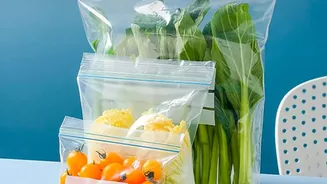
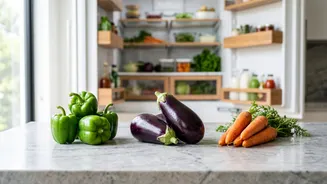
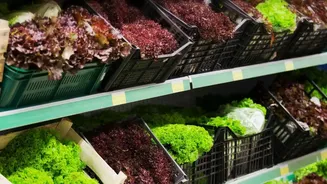
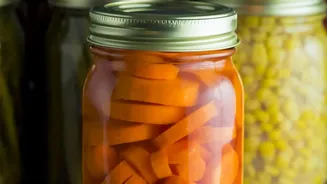
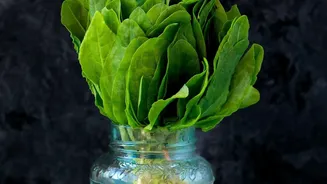
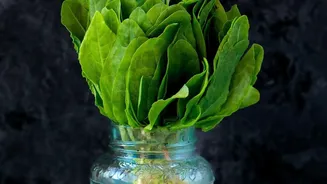
Think of the high-humidity drawer as a spa for produce that’s prone to wilting. By closing the drawer's vent, you trap moisture inside, creating a humid environment that protects thin-skinned and leafy vegetables from the fridge's dry air. This is the ideal spot for produce that wilts, such as leafy greens (lettuce, spinach, kale), fresh herbs, broccoli, carrots, cucumbers, and green beans. These items lose moisture quickly, and the high-humidity setting helps them stay crisp and hydrated for much longer. For this drawer to work best, it should be about two-thirds full, as the produce itself helps generate the necessary humidity.
The Low-Humidity Drawer for Gas Releasers
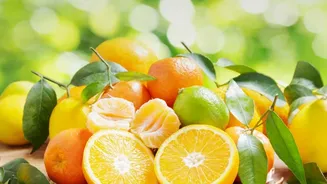
The low-humidity drawer is for produce that is known to rot. By opening this drawer's vent, you allow ethylene gas to escape, preventing it from building up and causing premature spoilage. This is the perfect home for fruits and some vegetables that are high ethylene producers. Key items to store here include apples, pears, peaches, plums, melons, and avocados. Keeping these 'gassy' fruits in a well-ventilated drawer not only extends their own life but also protects the ethylene-sensitive vegetables you’ve stored in the other drawer. A simple rule to remember is: if it rots, it goes in low humidity.
Mastering the Rest of the Fridge
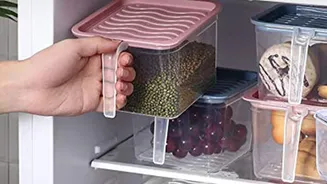
Beyond the crisper drawers, the main body of your refrigerator also has distinct temperature zones. The door is the warmest part of the fridge due to frequent opening, so it's best for condiments and other less perishable items—not milk or eggs. The lower shelves tend to be the coldest area, making them ideal for storing raw meat, poultry, and fish in sealed containers to prevent cross contamination. The upper shelves experience more moderate temperatures, suitable for leftovers, drinks, and ready to eat foods like yogurt and cheese. Berries, which are delicate, often do well on a middle shelf where the temperature is consistent.
What Not to Refrigerate
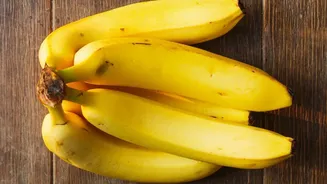
Just as important as knowing what goes where in the fridge is knowing what should stay out of it entirely. Cold temperatures can ruin the flavor and texture of certain items. Tomatoes, for example, lose their flavor and become mealy in the fridge. Potatoes and onions should be kept in a cool, dark, dry place like a pantry, but not together, as onions can cause potatoes to sprout. Bananas should be left on the counter; the cold will turn their skins black. Garlic, winter squash, and uncut melons are also best stored at room temperature until you're ready to use them.