


Understanding the World of Fats
To understand why one is often recommended over the other, we first need to talk about fats. Fats are essential for our body, providing energy and supporting cell function. They are broadly categorised into saturated and unsaturated fats. The type of fat you
consume is more important than the total amount. Unsaturated fats, which include monounsaturated and polyunsaturated fats (MUFAs and PUFAs), are considered heart-healthy. They are typically found in plant-based sources like nuts, seeds, and their oils. Saturated fats, on the other hand, are predominantly found in animal products like meat and dairy, including butter. Historically, diets high in saturated fat have been linked to an increased risk of heart disease because of their effect on cholesterol levels.
The Problem with Saturated Fat
Butter is rich in saturated fat. Consuming high amounts of saturated fat can lead to an increase in low-density lipoprotein (LDL) cholesterol, often called 'bad' cholesterol. When you have too much LDL cholesterol in your blood, it can build up on the walls of your arteries, forming plaque. Over time, this plaque can narrow the arteries, restricting blood flow and increasing the risk of heart attacks and strokes. While some research suggests that not all saturated fats are equally harmful, health organisations generally recommend limiting their intake. Butter, specifically, has been shown to raise both 'bad' LDL and 'good' HDL cholesterol, but the detrimental effect of the rise in LDL often outweighs any benefit from the increase in HDL.
The Rise of Heart-Healthy Oils
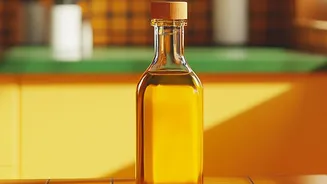
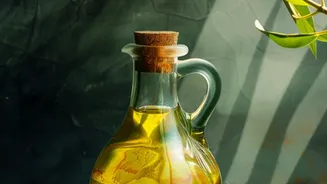
This is where cold-pressed oils come in as a healthier alternative. Unlike butter, these oils are packed with unsaturated fats. Monounsaturated and polyunsaturated fats, including essential fatty acids like omega-3s, have the opposite effect of saturated fats. They help lower 'bad' LDL cholesterol levels while often maintaining or even raising 'good' high-density lipoprotein (HDL) cholesterol. HDL cholesterol acts like a scavenger, removing excess cholesterol from your arteries and transporting it back to the liver for removal. This process helps keep arteries clear and flexible, promoting better cardiovascular health.
Why 'Cold-Pressed' Makes a Difference
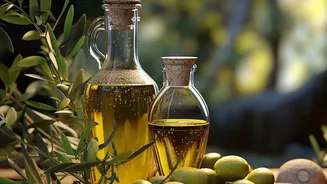
Not all oils are created equal, and the term 'cold-pressed' is crucial. Cold-pressed oils are extracted from seeds or nuts using a mechanical press without high heat or chemical solvents. This gentle extraction method ensures that the oil retains its natural nutrients, including vitamins like E and K, antioxidants, and beneficial fatty acids. In contrast, refined oils are processed using high heat and chemicals to increase shelf life and create a neutral flavour. This harsh process can strip the oils of their valuable nutrients and can even create harmful compounds. By choosing cold-pressed, you are getting the oil in its most nutrient-rich and purest form.
Making Smart Swaps in the Kitchen
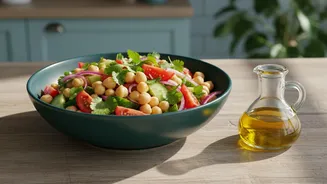
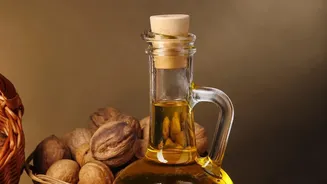
Making the switch from butter to cold-pressed oils is easier than you think and can be adapted to Indian cooking. For salad dressings, marinades, or drizzling over finished dishes, extra virgin olive oil, flaxseed oil, or walnut oil are excellent choices. For everyday cooking, consider oils like cold-pressed groundnut, sunflower, or mustard oil. It's important to be mindful of smoke points; some cold-pressed oils are better for low-to-medium heat cooking. Instead of spreading butter on your toast, try a drizzle of olive oil or avocado. When sautéing vegetables, use a splash of groundnut oil instead of a knob of butter. These small, consistent changes can add up to make a significant positive impact on your heart health over time.