





The Science of Dry Skies
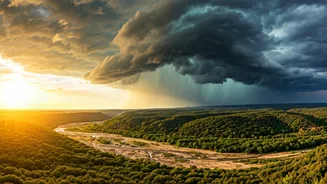
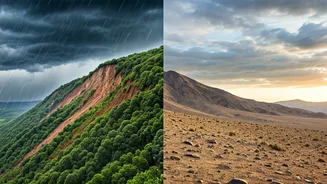
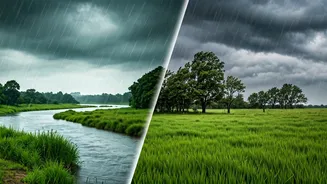
The term 'rain shadow' sounds poetic, but it’s a simple meteorological phenomenon. When moisture-laden winds from the sea encounter a mountain range, they are forced to rise. As the air ascends, it cools, causing the moisture to condense and fall as rain on the windward
side of the mountains. By the time the air crosses over the peaks to the other side—the leeward side—it has lost most of its moisture. This descending air warms up, creating a dry, arid or semi-arid pocket of land known as a rain shadow. In India, this effect creates incredible travel opportunities, turning certain areas into perfect, sunny sanctuaries during the peak monsoon months.
The High-Altitude Haven: Ladakh
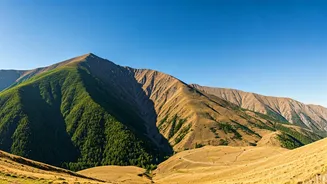
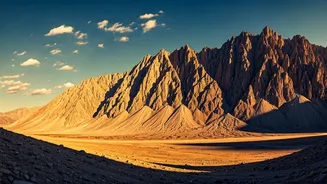
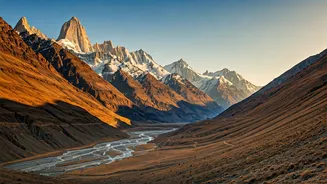
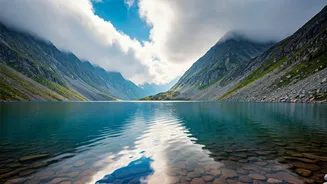
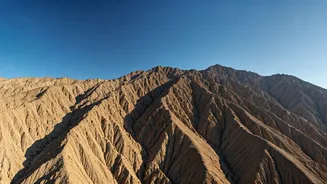
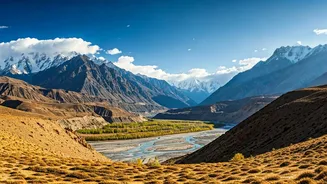
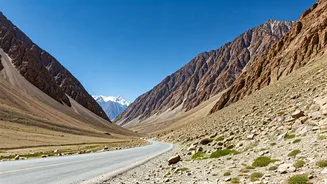
Perhaps the most famous rain-shadow region in India, Ladakh is a cold desert that remains largely dry while the rest of the country is drenched. The mighty Himalayas act as a formidable barrier, blocking the southwest monsoon clouds from entering the region. As a result, July in Ladakh is a dream, with pleasant daytime temperatures often ranging between 20-30 degrees Celsius, clear blue skies, and breathtaking views of the stark, lunar landscapes. This is the ideal time to explore the monasteries of the Nubra Valley, marvel at the turquoise expanse of Pangong Tso, and experience the unique high-altitude culture. While the approach roads via Manali or Srinagar can face monsoon-related challenges like landslides, flying directly into Leh is a safe and popular option.
The Middle Land: Lahaul and Spiti Valley
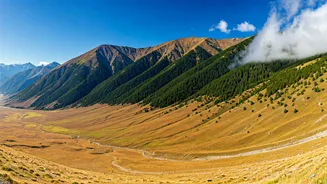
Like its neighbour Ladakh, the Spiti Valley in Himachal Pradesh is a high-altitude desert shielded from the monsoon. July marks the heart of the short summer season here, when roads are generally clear and accessible. The weather is perfect for exploring ancient monasteries perched on cliffs, like Key Monastery and Tabo Monastery, and visiting some of the world's highest villages, such as Komic and Hikkim. While the valleys come alive with patches of greenery fed by melting snow, the region receives minimal rainfall. The drive to Spiti, particularly the route from Manali, is an adventure in itself, but the reward is a landscape of unparalleled, rugged beauty, fewer crowds, and a serene atmosphere that feels a world away from the monsoon chaos.
The Southern Escape: Eastern Tamil Nadu
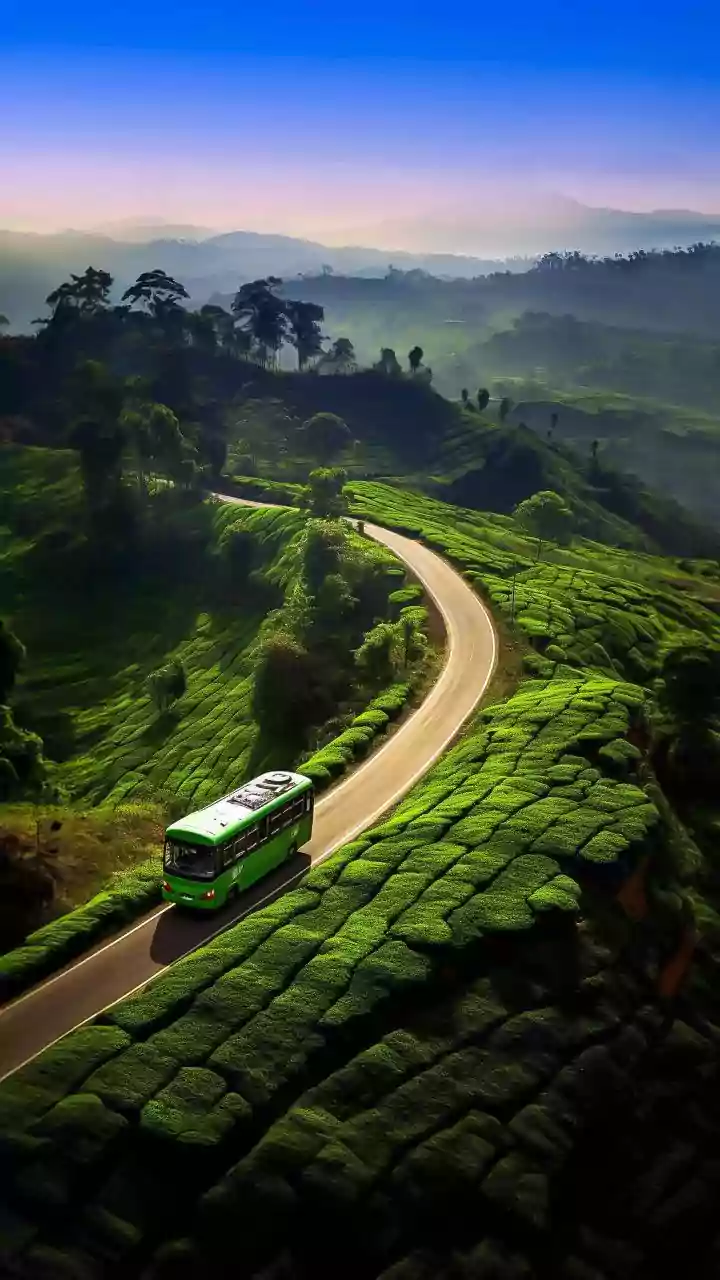
The rain-shadow effect isn't limited to the Himalayas. The Western Ghats create a similar phenomenon on the Deccan Plateau. While the western slopes in Kerala and Karnataka receive heavy rainfall, the eastern side in Tamil Nadu remains significantly drier. Cities like Madurai and Coimbatore, and the surrounding plains, receive much less precipitation from the southwest monsoon. This makes July a surprisingly good time to explore the region's magnificent temples, bustling markets, and rich cultural heritage without the intense heat of summer or the heavy downpours seen elsewhere. While recent weather patterns show some increased rainfall, it is generally much less intense than on the windward side of the Ghats, offering a viable monsoon travel alternative in the south.
Planning Your Rain-Shadow Trip
Opting for a rain-shadow destination in July can transform your monsoon travel experience from a risky gamble to a guaranteed adventure. However, planning remains key. For high-altitude destinations like Ladakh and Spiti, acclimatisation is crucial, so schedule a couple of rest days upon arrival. Even in these dry regions, weather can be unpredictable, so packing layers, including a light rain jacket for occasional showers, is always wise. Always check road conditions before setting out, especially if you are driving, as access routes can sometimes be affected by rain in adjacent areas. By choosing your destination wisely, you can enjoy the best of both worlds: the vibrant, green season in the country and a dry, sunny holiday for yourself.