






The Current Reality of Wait Times
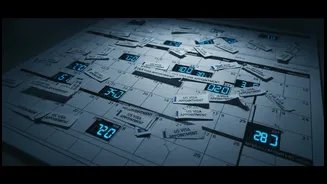
The single most pressing question for any US visa applicant is: how long is the wait? As of July 2026, the answer remains a formidable one, though with significant variations. For first-time B1/B2 visitor visa applicants requiring an interview, the wait is still
measured in many months. Recent data shows wait times can be as high as 9.5 months in high-demand consulates like Hyderabad and Mumbai. New Delhi follows with waits around 7.5 months, Chennai at 5.5 months, and Kolkata often having the shortest queue at around 4 months. These figures have improved dramatically from the post-pandemic peaks which sometimes exceeded 800 days, but the journey still requires immense patience. It's crucial to understand that these numbers are dynamic and change based on demand and the release of new appointment slots by the US Mission.
What Is New: Policy Shifts and Updates
There are two significant developments shaping the visa landscape in 2026. First, the US Mission in India continues its effort to reduce the backlog by processing a record number of applications and releasing new appointments. While this is positive news, the core issue of demand far outstripping supply persists. The second major update concerns the Interview Waiver Program, often called the 'dropbox' facility. The eligibility rules for this have been tightened considerably. As of late 2025, the waiver is primarily available only to those renewing B1/B2 visas. Furthermore, the renewal window has been shortened; your previous visa must have expired within the last 12 months to qualify, a significant reduction from the 48-month window available during the pandemic. This means most work visa categories (like H-1B) and even many previous B1/B2 holders no longer qualify for the dropbox and must join the queue for an in-person interview.
What Matters: Strategies for Applicants
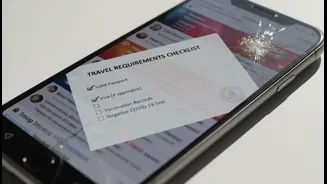
Navigating this environment requires strategy. The most important advice is to apply early—months, or even a year, ahead of your planned travel. For those who are eligible for the interview waiver, it remains the fastest and most convenient path. For first-time applicants, persistence is key. The visa scheduling portal is updated regularly, and new slots are released periodically, though not always on a predictable schedule. Applicants who already have a far-off appointment are encouraged to check the portal frequently for a chance to reschedule to an earlier date if one becomes available due to cancellations or the release of new slots. It's also vital to be wary of fraudulent agents who promise expedited appointments for a fee; all appointments must be booked through the official CGI Federal portal. Finally, ensure all your documentation, especially the DS-160 form, is filled out with complete accuracy to avoid any processing delays or refusals that would force you to start over.
What Remains Unclear: The Road Ahead
While the US Mission is making concerted efforts, several factors remain uncertain. The primary unknown is how long the current level of intense demand will last. Pent-up demand from years of backlogs continues to fuel the long queues. It is unclear when, or if, the system will return to a state where appointments are available within a few weeks. Furthermore, US immigration policies can shift. While current efforts are focused on clearing the backlog, future administrative or legislative changes could alter visa eligibility or processing priorities. For now, the US State Department has indicated that student visas will receive priority scheduling, especially during peak admission seasons. However, for tourists and business travellers, there is no similar priority lane. Experts suggest that wait times are likely to remain elevated for the foreseeable future, making long-term planning an essential part of any US travel aspirations.