








The Rise of Digital Silence
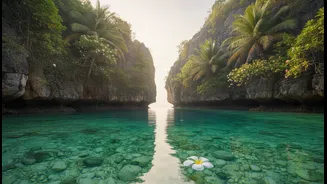
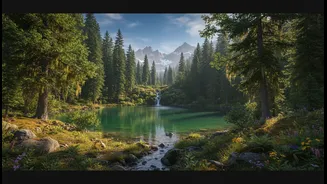
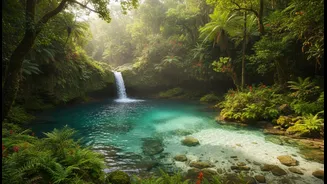
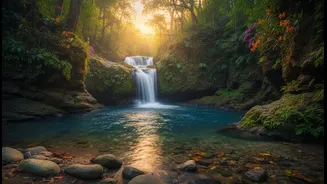
Destination gatekeeping is the act of deliberately withholding specific location information—like names or geotags—to protect a place from the potential negative impacts of overtourism. In an era where a single viral TikTok or Instagram post can transform
a quiet local spot into a crowded tourist attraction overnight, some travelers and locals are choosing 'digital silence'. The aim, they argue, is not elitist exclusion, but conservation and preservation. They’ve seen what can happen when a place gets too popular, too fast: fragile ecosystems are damaged, local infrastructure is strained, and the authentic character of a neighbourhood can be eroded, often reduced to little more than a photo backdrop.
The Case for Keeping Secrets
The argument for gatekeeping is rooted in the very real consequences of social media-fuelled tourism. Consider Fontainhas, Goa's historic Latin quarter, where residents are now retaliating against a constant influx of tourists seeking the perfect Instagram shot. Similar stories echo globally, from remote waterfalls to once-quiet mountain peaks. When visitor numbers surge uncontrollably, it can lead to soil erosion on trails, littering in natural parks, and the displacement of wildlife. Proponents of gatekeeping argue that not every beautiful place is equipped to handle mass visibility. For them, keeping a location off the digital map is a responsible act, an attempt to prevent a cherished place from being 'loved to death'.
An Argument for Open Access
On the other side of the debate, gatekeeping is viewed as a form of elitism. Critics argue that many influencers who now hide locations originally discovered those same spots through social media, and it's hypocritical to then deny that opportunity to others. This practice raises questions of fairness: who gets to decide which places are shared and which are kept secret? Furthermore, some argue that public lands should be accessible to all, and that sharing knowledge can actually be a form of inclusivity, breaking down barriers for those who may not have the resources or experience to find these places on their own. Tourism, when managed correctly, can also be a powerful economic driver for local communities, and gatekeeping could inadvertently harm small businesses that rely on visitors.
Social Media’s Central Role
The debate is inseparable from the function of social media itself, particularly the use of geotags. While tagging can help travelers discover new businesses and celebrate a destination, it can also unintentionally flood a fragile area. A single specific tag can turn a quiet spot into a content creation hub, where the experience is no longer about the place itself but about capturing the perfect frame for an online audience. In response, organizations like Leave No Trace have released guidelines encouraging users to 'think before you geotag,' suggesting tagging general areas (like a region or state) rather than precise coordinates. This approach aims to inspire travel without concentrating all visitors in one vulnerable spot.
Finding a Responsible Middle Ground
Ultimately, the tension between sharing and preserving highlights a need for more mindful travel. The solution may not be total secrecy, but a more responsible way of sharing. This can include providing context about a location's sensitivity, educating followers on Leave No Trace principles, and promoting lesser-known destinations to disperse crowds. Instead of precise geotags, travelers can mention the general area, allowing for discovery without creating an overwhelming rush. Supporting locally-owned businesses, respecting cultural norms, and minimizing your environmental footprint are all actions that contribute to a destination's well-being, whether you found it on a blog or by chance. The goal is to shift from being a mere consumer of a place to a respectful guest.