





The Power of the 'Health Halo'
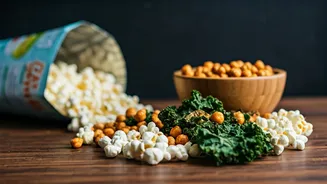
Food packaging is prime real estate, and marketers use every inch to convince you their product is the healthiest choice. Claims like “All Natural,” “Zero Cholesterol,” or “Immunity Booster” create a “health halo,” making a product seem healthier than
it is. The Food Safety and Standards Authority of India (FSSAI) has recently cracked down on many brands for making such misleading claims. For instance, products advertised as “healthy” snacks have been flagged for containing high levels of sodium or refined carbohydrates, while “no added sugar” juices were found to contain sugarcane juice. These front-of-pack claims are designed to sell, but the real story is on the back.
The Truth Is in the Ingredients
The ingredient list is your most powerful tool for seeing through the marketing hype. In India, FSSAI mandates that all ingredients be listed in descending order by weight. This means the first ingredient is the most prominent one in the product. If you pick up a box of “multigrain” crackers and the first ingredient is refined wheat flour (maida), followed by sugar and palm oil, you know the “multigrain” component is likely a very small fraction. A truly healthy product will have whole foods like whole grains, fruits, or nuts listed at the very beginning of its ingredient list.
How to Decode the List Like a Pro
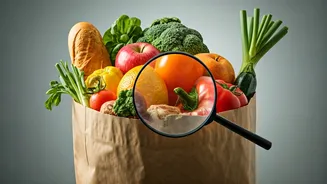
Reading an ingredient list doesn't have to be complicated. Start by scanning the first three ingredients; they make up the bulk of the food. A long list of unpronounceable chemical names is often a red flag that the product is highly processed. Also, check the serving size. A company might list the nutritional information for a tiny serving of just two biscuits, knowing that most people will eat the whole packet. This tactic makes the calorie and sugar counts seem deceptively low. Always compare the serving size to how much you realistically eat and do the maths.
Watch for Hidden Sugars and Salt
Sugar is a master of disguise. Food companies often use multiple types of sugar so that “sugar” itself doesn’t appear high up on the ingredient list. Be on the lookout for names like corn syrup, dextrose, maltodextrin, fructose, maltose, and invert syrup. Any word ending in “-ose” is likely a sugar. Similarly, for savoury items, watch out for high sodium content, which can be hidden under names like monosodium glutamate (MSG) or sodium caseinate. If any of these are among the first few ingredients, it's a sign the product may not be as healthy as its front label claims.
Common Misleading Claims Unmasked
Let’s break down some common phrases. “Natural” is a term not tightly regulated, so it can mean very little. “Low-fat” products often compensate by adding extra sugar to improve the taste. “Made with whole grains” doesn’t mean it’s 100% whole grain; it could contain mostly refined flour. “Sugar-free” may indicate the presence of artificial sweeteners. And if a product claims to be “organic,” look for the FSSAI's Jaivik Bharat logo to ensure it's certified. Your best defence is to ignore these buzzwords and head straight for the ingredient and nutrition facts panels.