




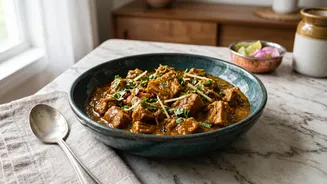
The Unsung Hero of the Pantry
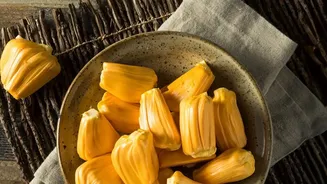
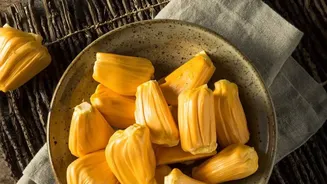
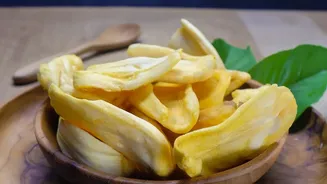
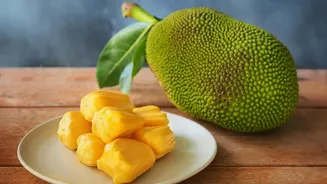
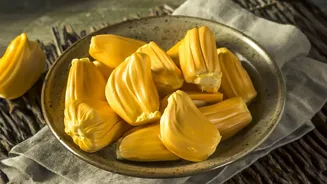
For centuries, kathal has been a staple in South and Southeast Asian cuisine. While the ripe yellow fruit is known for its intensely sweet, tropical flavour—a mix of pineapple, banana, and mango—its unripe, green counterpart is a culinary chameleon. Unlike
its sweet sibling, raw jackfruit has a neutral, almost plain taste. This mildness is its greatest strength, allowing it to act like a sponge and absorb the rich spices and sauces of any dish it's cooked in. Traditionally used in curries and stews, it has recently gained global fame as a convincing plant-based meat alternative, appearing in everything from tacos to burgers.
The Science of 'Vegetarian Meat'
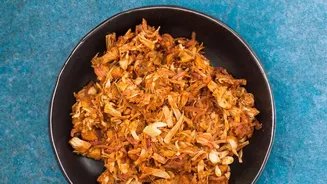
What truly sets raw jackfruit apart is its remarkable texture. Its flesh is dense and fibrous, and when cooked, it breaks down into strands that are strikingly similar to pulled pork or shredded chicken. This 'meaty' bite is what makes it so popular in vegetarian and vegan cooking. It provides the satisfying chew that many plant-based ingredients lack. While it is a good source of fibre, vitamins, and minerals, it's important to note that kathal is not a high-protein food. Its value lies in its texture and ability to carry flavour, making it a textural substitute for meat rather than a nutritional one. A 100-gram serving contains only about two grams of protein, so it's often paired with other protein sources like beans or paneer to create a more balanced meal.
A Parsi Culinary Tradition
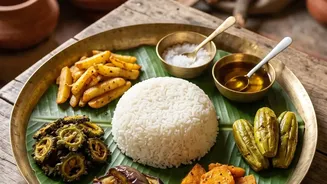
Parsi cuisine is famously meat-centric, a legacy of its Persian origins blended with Indian influences. Dishes like Dhansak and Sali Boti are cornerstones of the culinary tradition. However, vegetarian dishes hold a special place, often inspired by the flavours of Gujarat, where Parsis first settled in India. While Parsi vegetarian options were once limited, many families are embracing more plant-based meals. A well-made kathal curry, with its signature Parsi balance of 'khatu-mithu-tikho' (sour, sweet, and spicy), is a perfect example. It provides the hearty, satisfying experience of a meat curry, making it a celebrated dish that stands proudly on its own.
Parsi Club-Style Kathal Korma
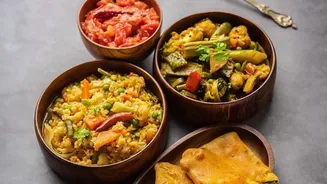
This recipe, adapted from community cookbooks, delivers a rich, creamy korma that showcases kathal at its best.Ingredients:500-600g raw jackfruit, cut into 1-inch pieces2 medium onions, finely chopped1 large onion, thinly sliced for frying1.5 cups thick curd (dahi), beaten1 tbsp ginger-garlic paste50g cashew nuts1 tbsp poppy seeds (khus khus)2-3 green chillies, slitWhole spices: 2 cinnamon sticks, 4-5 cloves, 4 green cardamomsPowdered spices: 1 tsp red chilli powder, ½ tsp turmeric powder, 1 tsp coriander powder2 tbsp chopped fresh corianderGhee or oil for cookingSalt to tasteMethod:1. Prepare the paste: Soak the cashew nuts and poppy seeds in warm water for 20 minutes, then grind to a fine, smooth paste. Mix this paste into the beaten curd and set aside.2. Prepare the jackfruit: Frying the jackfruit pieces in ghee or oil until they are lightly browned on all sides enhances their texture. Set them aside.3. Cook the masala: In the same pan, add a bit more ghee and temper the whole spices until fragrant. Add the finely chopped onions and sauté until they turn golden brown. Add the ginger-garlic paste and cook for another minute.4. Build the curry: Stir in the powdered spices (chilli, turmeric, coriander) and cook for 30 seconds. Return the fried jackfruit pieces to the pan, add about a cup of water and salt. Cover and simmer until the jackfruit is tender, which can take 15-20 minutes.5. Finish the korma: Once the jackfruit is cooked, lower the heat and slowly stir in the curd-cashew paste mixture. Add the slit green chillies. Cook for another 5-7 minutes, ensuring the gravy thickens but doesn't boil aggressively. Stir in the fresh coriander.6. Garnish: Separately, fry the thinly sliced onion until crisp and golden brown. Garnish the korma with this fried onion (sali) before serving.
Getting Your Kathal Just Right
Working with fresh raw jackfruit can be intimidating due to its sticky sap. It's advisable to oil your hands, knife, and cutting board before you begin to prevent the sap from sticking. If you can't find fresh jackfruit, canned young green jackfruit in brine or water is an excellent and convenient substitute. Just be sure to rinse it thoroughly to remove any 'canned' taste before cooking. Whether fresh or canned, parboiling the jackfruit pieces for about 10-15 minutes in salted, turmeric water can help soften them and reduce the main cooking time. This extra step ensures the final curry is tender and flavourful all the way through.