




Cherrapunji, Meghalaya: The Land of Living Bridges
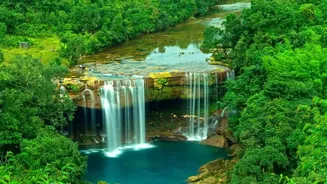
Famed for being one of the wettest places on Earth, Cherrapunji in Meghalaya is a destination built by and for the rain. During the monsoon season, from roughly June to September, the entire landscape transforms into a breathtaking spectacle of vibrant
green hills, misty valleys, and thundering waterfalls. This isn't a place where rain stops play; it's the main event. The relentless downpours feed iconic cascades like Nohkalikai Falls, India's tallest plunge waterfall, and the Seven Sisters Falls, which are at their most powerful during this time. Perhaps most famously, the rain nurtures the region's incredible living root bridges, feats of natural engineering that become even more enchanting when shrouded in mist. Exploring the lush, rain-washed trails and ancient caves is an otherworldly experience, offering a profound connection with nature at its most dramatic.
Munnar, Kerala: Tea Gardens in the Clouds
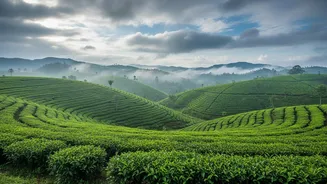
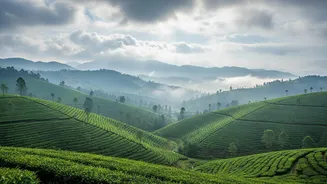
In the winter, Munnar is beautiful. In the monsoon, it's magical. When the rains arrive in this corner of the Western Ghats, the sprawling tea plantations are washed clean, turning into an endless carpet of impossible green under a ceiling of low-hanging clouds. The season brings fewer crowds, meaning you can enjoy the serene landscapes in relative peace, often at lower prices. Waterfalls like Attukal and Lakkam, which are modest streams in the dry season, swell into powerful, roaring cascades. A drive through the winding roads reveals mist-filled valleys and the fresh scent of wet earth and tea leaves. The cool, pleasant weather is perfect for sipping a hot cup of locally grown tea on a veranda while watching the rain fall, making it an ideal retreat for those seeking tranquility and natural beauty.
Kyoto, Japan: Reflective Temples and Mossy Gardens
Japan's rainy season, or 'tsuyu', from early June to mid-July, offers a uniquely atmospheric time to visit the country's cultural heart. In Kyoto, the rain enhances the quiet beauty of its ancient temples and Zen gardens. The stone paths of shrines like Fushimi Inari glisten, the vermillion gates appear to glow against the grey sky, and the famous bamboo groves of Arashiyama become even more magical. The rain encourages a slower, more contemplative pace. With fewer tourists, you can find profound peace in a moss garden, where the colours become deeper and more vibrant after a shower. It's also the perfect excuse to explore indoor cultural treasures, from traditional tea houses and Nishiki Market to Kyoto's covered shopping arcades like Teramachi.
Bergen, Norway: A City That Shines in the Drizzle
Known as one of Europe's rainiest cities, Bergen has fully embraced its wet weather, and visitors should too. The rain lends a moody, romantic atmosphere to the city, making the colourful wooden houses of the UNESCO-listed Bryggen wharf reflect beautifully on the slick cobblestone streets. A trip up the Fløibanen funicular on a misty day offers dramatic, cloud-shrouded views of the city and fjords below. Locals don't let the rain stop them, and neither should you. The city is packed with cozy cafes, fascinating museums covering everything from Hanseatic history to contemporary art, and the lively Bergen Aquarium. Rain simply provides the perfect backdrop for exploring Bergen's indoor charms before warming up with fresh seafood from the famous Fish Market.
Costa Rica: The Lush and Lively 'Green Season'
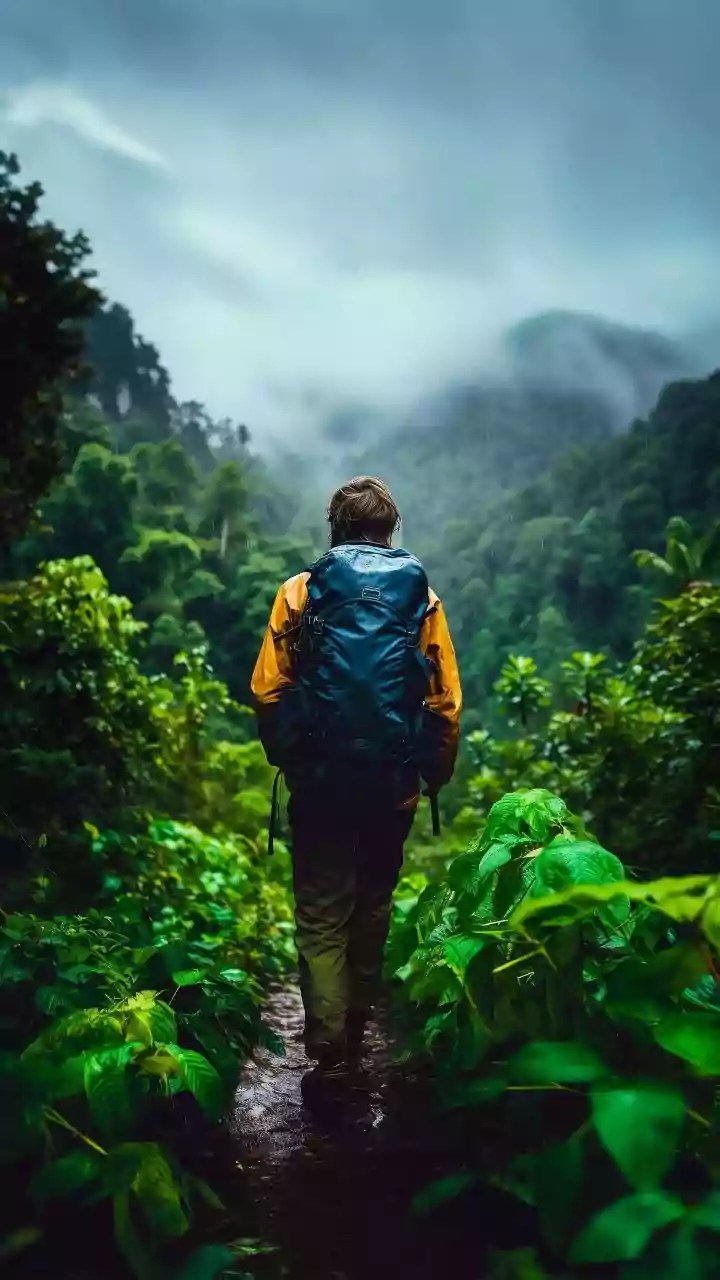
In Costa Rica, the rainy season from May to November is wisely rebranded as the 'green season', and for good reason. This is when the country's famed rainforests are at their most vibrant and lush, waterfalls are at their most powerful, and wildlife is incredibly active. Afternoon showers are common but often brief, leaving the air fresh and cool. This period sees far fewer tourists, meaning you can experience popular national parks like Manuel Antonio and Arenal without the crowds. The green season is also a prime time for specific wildlife encounters, including the nesting season for sea turtles and the arrival of humpback whales along the coast. With lower prices on flights and accommodation, it's a fantastic opportunity to see this biodiversity hotspot at its most dynamic.