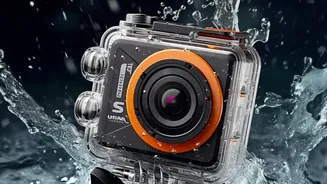







The Foundation: Your First Line of Defence
Your primary shield against rain is the bag you carry. While many backpacks are labelled "water-resistant," this often only protects against light splashes. For travel to regions with heavy rainfall, like during the Indian monsoon, investing in a genuinely
waterproof backpack is crucial. Look for bags made from materials like polycarbonate, coated ripstop nylon, or tarpaulin. Another key feature is sealed or welded seams and water-resistant zippers, which prevent moisture from seeping through weak points. For even greater security, consider a backpack that comes with a dedicated, fitted rain cover. This combination offers practical access to pockets while providing a fully waterproof barrier when you need it most.
Layer Two: Individual Device Protection
Even with a great bag, layering your protection is smart. This means giving each sensitive device its own waterproof housing. For your smartphone, a form-fitting waterproof case that still allows you to use the touchscreen is ideal for daily use. For more extreme conditions like boating or trekking in a downpour, a transparent waterproof pouch, often with a lanyard, is an inexpensive and highly effective option. These pouches are also great for tablets, e-readers, and passports. For larger items like cameras, consider padded waterproof sleeves or smaller dry bags to shield them from both moisture and impact inside your main pack. This multi-layered approach ensures that even if your main bag takes on some water, your most valuable electronics remain secure.
Power and Cables: The Overlooked Essentials
A dead phone is just as useless as a water-damaged one. In wet conditions, it's vital to protect your power supply. Opt for a rugged, water-resistant power bank. These models are designed to withstand splashes and damp environments, ensuring you can recharge your devices safely. Just as importantly, keep your charging cables and wall adapters dry to prevent corrosion and electrical shorts. Small, sealable plastic bags or dedicated cable organiser pouches are perfect for this. They keep your cables untangled and, most critically, away from any ambient moisture that might have found its way into your backpack.
The Emergency Plan: Your Dry-Out Kit
Accidents happen. If a device does get wet, having a small emergency dry-out kit can be a trip-saver. The first step is to immediately turn the device off, and if possible, remove the battery, SIM card, and any memory cards to prevent short-circuiting. Gently dab the exterior dry with a soft cloth. While many people swear by rice, it's not the most effective method and small grains can get lodged in ports. A far better alternative is to place the device in a sealed bag with several silica gel packets—the kind you find in new shoe boxes or with electronics. These are designed to absorb moisture efficiently. Let the device dry for at least 24 to 48 hours before attempting to turn it back on.
Understanding the Jargon: Waterproof vs. Water-Resistant
When shopping for gear, you'll see terms like "waterproof" and "water-resistant." It's important to know the difference. "Water-resistant" means the item can withstand light splashes or brief rain, but not prolonged exposure or submersion. "Waterproof" suggests a much higher level of protection. To know for sure, look for an IP (Ingress Protection) rating. An IP rating has two numbers; the second digit indicates water protection, from 0 (no protection) to 9 (can withstand high-pressure jets). For rainy travel, a rating of IP65 is good for splashes, while IP67 or IP68 means the device can handle being submerged. This knowledge helps you choose gear that truly matches the conditions you expect to face.