






The Ancient Wisdom in Your Spice Rack
For thousands of years, cultures around the world, particularly in Ayurvedic tradition, have turned to spices for more than just culinary delight. These plant-derived powerhouses were humanity’s first attempt at understanding how what we eat affects how we feel.
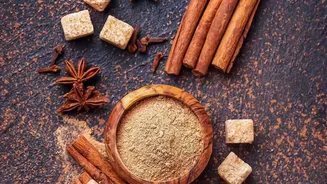
Cinnamon and cardamom, in particular, were prized for their ability to soothe the stomach, ease bloating, and support overall digestive wellness. In Ayurveda, they are considered warming spices that help kindle 'Agni', or the digestive fire, promoting efficient digestion and preventing the sluggish feeling that can follow a heavy meal. This ancient wisdom viewed digestion as the cornerstone of health, and these aromatic spices were essential tools for keeping it in balance.
Cinnamon: A Warming Digestive Tonic
Cinnamon has long been used to relieve feelings of heaviness and gas. Traditional practices value it for its ability to stimulate digestive function and support nutrient absorption. Modern science is beginning to understand the mechanisms behind these benefits. Research suggests that cinnamon can help modulate the secretion of gastric acid after a meal. This may help reduce the production of carbon dioxide gas in the stomach, which can lead to bloating and discomfort. The active compound, cinnamaldehyde, also possesses antimicrobial properties that can help support a healthy balance of gut flora. Furthermore, some studies show that cinnamon can slow the breakdown of carbohydrates in the digestive tract by interfering with certain digestive enzymes, which can help manage how quickly sugar enters the bloodstream after a meal.
Cardamom: The Fragrant Soother
Known as the 'Queen of Spices', cardamom is celebrated for its ability to relieve digestive issues like indigestion, gas, and nausea. It is considered a carminative, an agent that helps prevent or expel gas from the digestive system. The essential oils in cardamom, such as 1,8-cineole and limonene, are thought to relax the smooth muscles of the gut, which can ease spasms and cramping. This soothing action helps calm an unsettled stomach. Ayurvedic texts praise cardamom for its ability to balance digestive fire without being overly heating, making it suitable for a wide range of people. Chewing on a pod after a meal to freshen breath and aid digestion is a practice that continues to this day in many parts of India.
Science Catches Up with Tradition
While much of the evidence for these spices comes from traditional use and animal studies, modern research is increasingly supportive. Both cinnamon and cardamom are rich in antioxidants and have anti-inflammatory properties, which can contribute to a healthy gut environment. Some research suggests cinnamon may act as a prebiotic, feeding beneficial gut bacteria like Bifidobacterium and Lactobacillus. Studies on cardamom have noted its potential to protect the stomach lining from ulcers in animal models and fight against bacteria like H. pylori, which is linked to many stomach issues. While these spices are not a cure for medical conditions, the growing body of evidence suggests their traditional use for digestive comfort is well-founded.
How to Incorporate Them into Your Diet
Adding these spices to your daily routine is simple and delicious. A classic way to enjoy their benefits is by making a soothing tea. Simply simmer a cinnamon stick and a few crushed cardamom pods in hot water for about 10 minutes. You can also sprinkle ground cinnamon into your morning oatmeal, coffee, or smoothies. Cardamom pairs beautifully with both sweet and savoury dishes; try adding it to rice, lentil soups, or curries for an aromatic and digestive boost. Using these spices in your cooking, especially with heavier foods, can make them easier to digest and more enjoyable.