




Meet Your New Favourite Ingredient: Jackfruit
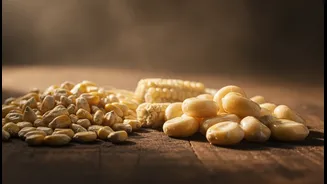
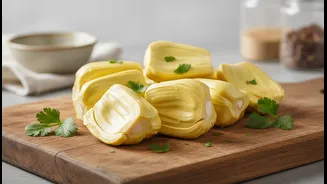
Native to South and Southeast Asia, jackfruit is the largest tree-borne fruit in the world. While ripe jackfruit is sweet and tastes like a tropical blend of pineapple and banana, the real magic for savoury cooking lies in young, green jackfruit. When
harvested unripe, its flavour is neutral, and its texture is firm and stringy, making it a culinary blank canvas. This is the version you’ll find canned in water or brine, ready to soak up the flavours of any sauce or seasoning you throw at it. For years, it's been a staple in Asian cuisines, from curries to stir-fries, and now it’s gaining global recognition as an incredible meat substitute.
The Ultimate 'Meaty' Texture Swap
The single greatest strength of young jackfruit is its uncanny resemblance to pulled meat. When cooked, the fibrous flesh shreds beautifully, mimicking the texture of pulled pork or chicken with remarkable accuracy. This makes it the perfect gateway ingredient for anyone looking to reduce their meat consumption without sacrificing the satisfying texture they love. Imagine hearty barbecue sandwiches, flavourful tacos, or a spicy breakfast hash—all made with a plant-based ingredient that is naturally soy-free and grain-free. Its neutral taste means it won’t overpower your dish; instead, it acts like a sponge for marinades, spices, and sauces, from smoky BBQ to tangy teriyaki.
A Smart Nutritional Choice
While jackfruit doesn't compete with meat on protein content—it offers about two to three grams per cup—it shines in other areas. It is low in calories, almost fat-free, and contains zero cholesterol. It is a good source of dietary fibre, which is completely absent in meat, and provides essential nutrients like potassium, vitamin C, and various B vitamins. The antioxidants in jackfruit, such as flavonoids, may also help reduce inflammation. For a more protein-rich meal, you can easily pair jackfruit with beans, lentils, or quinoa.
How to Buy and Prepare It
The key to success with jackfruit is buying the right kind. Always look for cans of 'young' or 'green' jackfruit packed in brine or water—not syrup. The syrupy variety is ripe, sweet, and unsuitable for savoury dishes. You can find canned jackfruit in most major supermarkets, often in the international foods aisle, or at Asian markets. Preparation is simple. Drain the can and rinse the pieces thoroughly to remove any 'canned' or briny taste. Some cooks recommend boiling the pieces for about 10-15 minutes to soften them further and ensure a neutral flavour base. From there, you can shred it with a fork or even your hands and it's ready for your recipe.
Simple Cooking for Maximum Flavour
The best way to cook jackfruit is to let it simmer in a flavourful sauce. For classic BBQ pulled jackfruit, start by sautéing the shredded fruit with onions and garlic. Then, add your favourite BBQ sauce, a little water or broth, and seasonings like smoked paprika and garlic powder. Let it simmer until the jackfruit is tender and the sauce has thickened. For an extra layer of texture, you can spread the sauced jackfruit on a baking sheet and roast it at a high temperature for 15-20 minutes until the edges get slightly crispy and caramelised. This simple technique creates a deeply flavourful and satisfying filling perfect for buns, tacos, wraps, or even piling on top of a pizza.