



Paddling with a Purpose
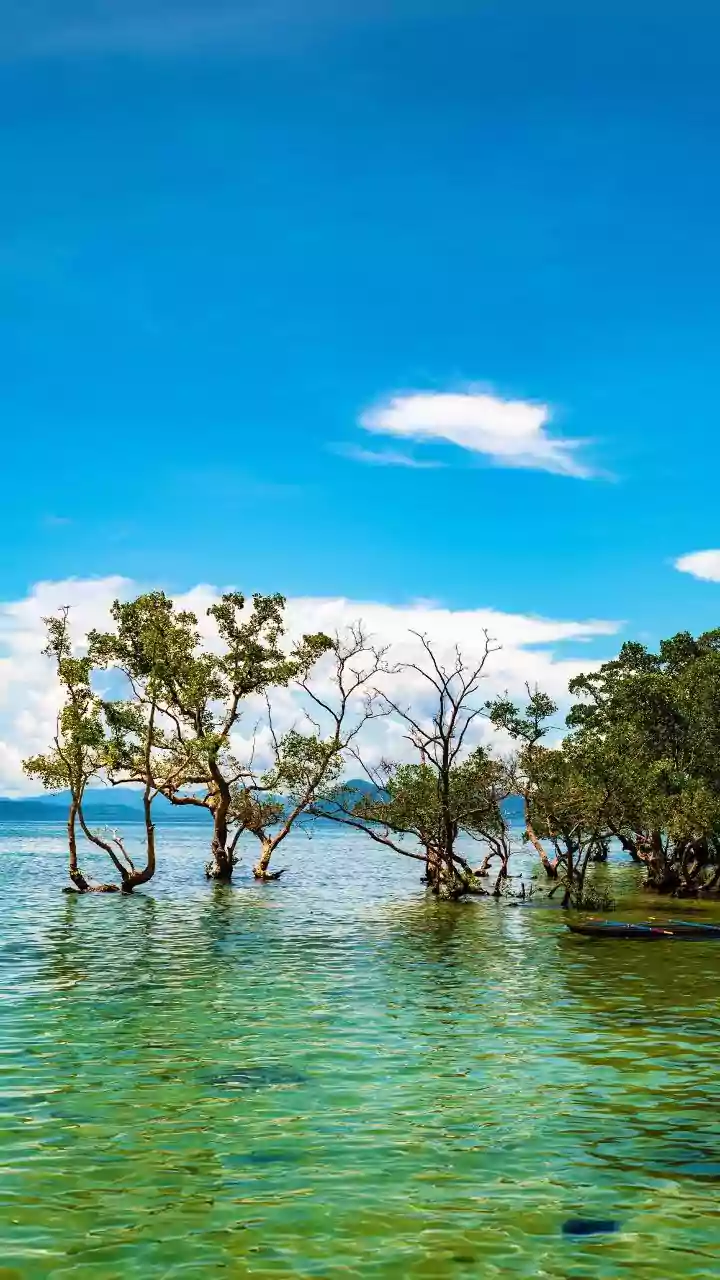
The Konkan coast, a 720-kilometre stretch of pristine shoreline, is home to some of India's most vital mangrove forests. For years, these ecosystems were the unsung heroes of the coast, acting as natural barriers against storms and nurseries for marine
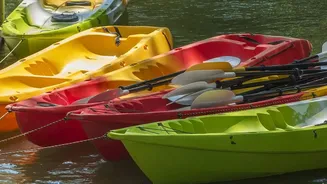
life. Now, a new form of eco-tourism is bringing them into the spotlight. Guided kayaking expeditions are offering visitors a unique, low-impact way to explore these labyrinthine forests. Unlike noisy motorboats, kayaks allow for a quiet, intimate connection with nature, enabling paddlers to observe wildlife without disturbance and appreciate the delicate balance of this intertidal world.
From Tourist to Guardian
These expeditions are designed to be more than just sightseeing tours; they are educational journeys. Local guides, many from fishing communities, are being trained as 'Mangrove Guardians'. They lead visitors through the narrow creeks, explaining the science behind the ecosystem—how the tangled roots of over 20 mangrove species prevent soil erosion, sequester massive amounts of carbon, and provide a safe haven for juvenile fish. This approach transforms the tourist from a passive observer into an engaged participant, fostering a deeper understanding of why these forests are critical. Many operators also integrate conservation actions directly into their tours, encouraging guests to help with clean-up drives to remove plastic waste from the waterways.
A Kayak's-Eye View of Biodiversity
The slow, deliberate pace of a kayak offers a front-row seat to the region's incredible biodiversity. The Konkan mangroves are a hotspot for life, home to hundreds of species. Paddlers can spot kingfishers, herons, and egrets nesting in the branches above, while the complex root systems below teem with life. These waters serve as crucial breeding grounds for commercially important species like pomfret, snapper, and prawns. By choosing non-motorised boats, tourists minimise their environmental footprint, reducing noise and water pollution that can harm sensitive wildlife. This responsible approach ensures the long-term health of the ecosystem and the creatures that depend on it.
Funding the Frontlines of Conservation
The economic impact of this new tourism model is a powerful driver for conservation. In villages across Raigad, Ratnagiri, and Sindhudurg, organisations like the Mangrove Foundation are empowering local communities to run these ecotourism ventures. By creating alternative livelihoods, this model provides a direct economic incentive to protect the mangroves rather than exploit them. A portion of the revenue generated from kayaking tours and homestays is often channelled back into conservation projects, such as funding mangrove nurseries, replanting degraded areas, and supporting community-led monitoring programs. This creates a self-sustaining cycle where tourism directly supports the preservation of the very environment that attracts it.
A Model for India's Coasts
The success of mangrove kayaking on the Konkan coast offers a compelling blueprint for responsible tourism across India. It demonstrates that economic development and environmental protection do not have to be mutually exclusive. Community-led initiatives, like the Swamini self-help group in Vengurla which runs mangrove safaris, show that local people are the most effective stewards of their natural resources when given the right support and incentives. As more travellers seek authentic and meaningful experiences, this model of slow, educational, and regenerative travel provides a pathway to preserving India's precious coastal ecosystems for generations to come, ensuring these 'climate resilience heroes' continue to protect both nature and people.