


Understanding Your Pet’s Storm Phobia
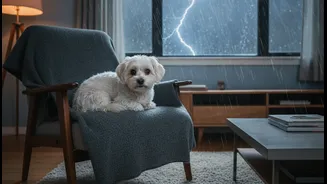
A pet's fear of thunderstorms, sometimes called astraphobia, is more than just a dislike of loud noises. Their heightened senses can detect environmental changes that we often miss. Many dogs can feel the drop in barometric pressure or the buildup of static
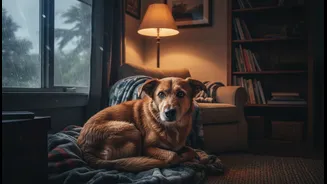
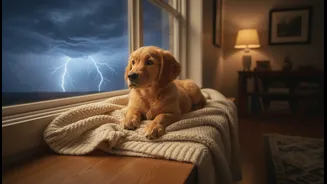
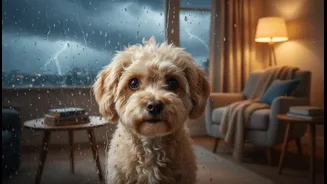
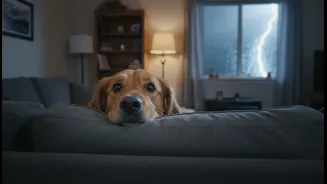
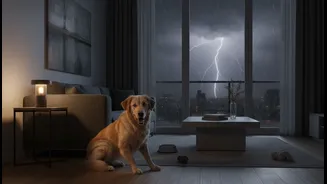
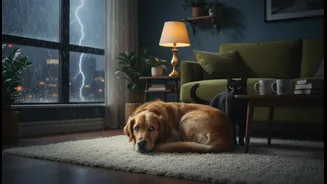
electricity in the air long before the first thunderclap. This can create an uncomfortable tingling sensation on their fur. The unpredictable flashes of lightning and the deep, vibrating sound of thunder then confirm their suspicion that something is wrong. In a compact apartment, these sounds can be amplified, and with nowhere to run, the experience can be overwhelming. Recognizing that their fear is a genuine physical and sensory response is the first step toward helping them.
The Old Myth: Does Comfort Reinforce Fear?
For years, a common belief was that comforting a scared pet would reward and therefore reinforce their anxious behavior. The advice was to ignore them, acting as if nothing was wrong. However, modern animal behaviorists and veterinarians now largely disagree with this hands-off approach. Fear is an emotion, not a learned behavior that can be reinforced like a trick. Punishing or ignoring a genuinely terrified animal can actually increase their anxiety, as they now feel unsafe and alone. They may learn to associate the storm not just with fear, but with being punished or abandoned by their trusted human, making the situation worse. Anxious pets are often too overwhelmed to learn, so providing comfort doesn't reward the fear, it simply offers relief.
The Power of Gentle Reassurance
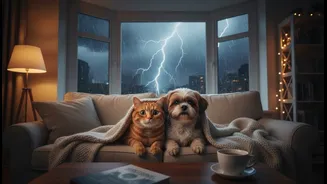
The key to modern guidance is gentle, calm reassurance. Your pet looks to you for cues on how to react to the world. If you are anxious, frantic, or overly emotional in your attempts to soothe them, it can signal to them that there really is something to panic about. Instead, the goal is to be a calm, steady presence. This can involve speaking in a low, soothing voice, allowing them to stay close to you, and offering slow, gentle petting if they seem to enjoy it. This isn't about coddling, but about communicating safety and security. By remaining calm yourself, you project confidence and show your pet that the storm is not a threat, helping to lower their stress levels.
Creating a Safe Haven in Your Apartment
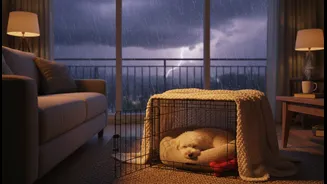
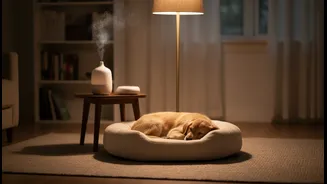
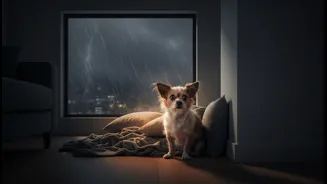
In an apartment, you can't offer a sprawling basement, but you can create a 'den' where your pet feels secure. This could be a crate covered with a blanket, an open closet, or even the bathroom—many pets are drawn to bathrooms during storms. Fill this space with their favorite soft bedding and a toy to create a positive association. To minimize the storm's impact, close the blinds or curtains to block lightning flashes. You can also mask the sound of thunder by playing calming music, turning on the television, or using a white noise machine. For some pets, an anxiety wrap or 'Thundershirt' that applies gentle, constant pressure can have a swaddling, calming effect.
What to Avoid During the Storm
Just as important as knowing what to do is knowing what not to do. Never punish, scold, or yell at your pet for being scared, as this will only intensify their fear. Don't force them out of a hiding spot where they feel safe. If your dog wants to hide under the bed or your cat is in a closet, let them be, as long as the space is safe. While it's good to be present, avoid excessive fussing or frantic petting, which can escalate their anxiety. Also, try not to force them to interact or play if they are not interested. Some pets may find distraction helpful, but others may be too panicked to engage. The priority is to let them cope in the way that feels safest to them, with your calm support readily available.